Yazılar

Chinese Vice Premier Zhang Guoqing to Attend Paris AI Summit

Chinese Vice Premier Zhang Guoqing will visit France from February 10 to 12 as President Xi Jinping’s special representative at the AI Action Summit, the Chinese Foreign Ministry announced on Friday. The summit will bring together representatives from nearly 100 nations to discuss the safe and responsible development of artificial intelligence (AI).

Foreign Ministry spokesperson Lin Jian expressed China’s eagerness to enhance communication and collaboration with all attending nations. “China looks forward to strengthening communication and exchanges with all parties,” Lin said during a regular briefing. He also stated that China aims to build a consensus on AI cooperation and promote the implementation of the United Nations Global Digital Compact by participating in the summit.

The summit is expected to focus on strategies to manage AI development and foster international cooperation in AI technologies. The U.S. delegation, led by Vice President JD Vance, will also be attending, though it will not include technical staff from the AI Safety Institute

Deloitte Faces Criticism from Trump Allies Over Employee’s Leaked JD Vance Messages

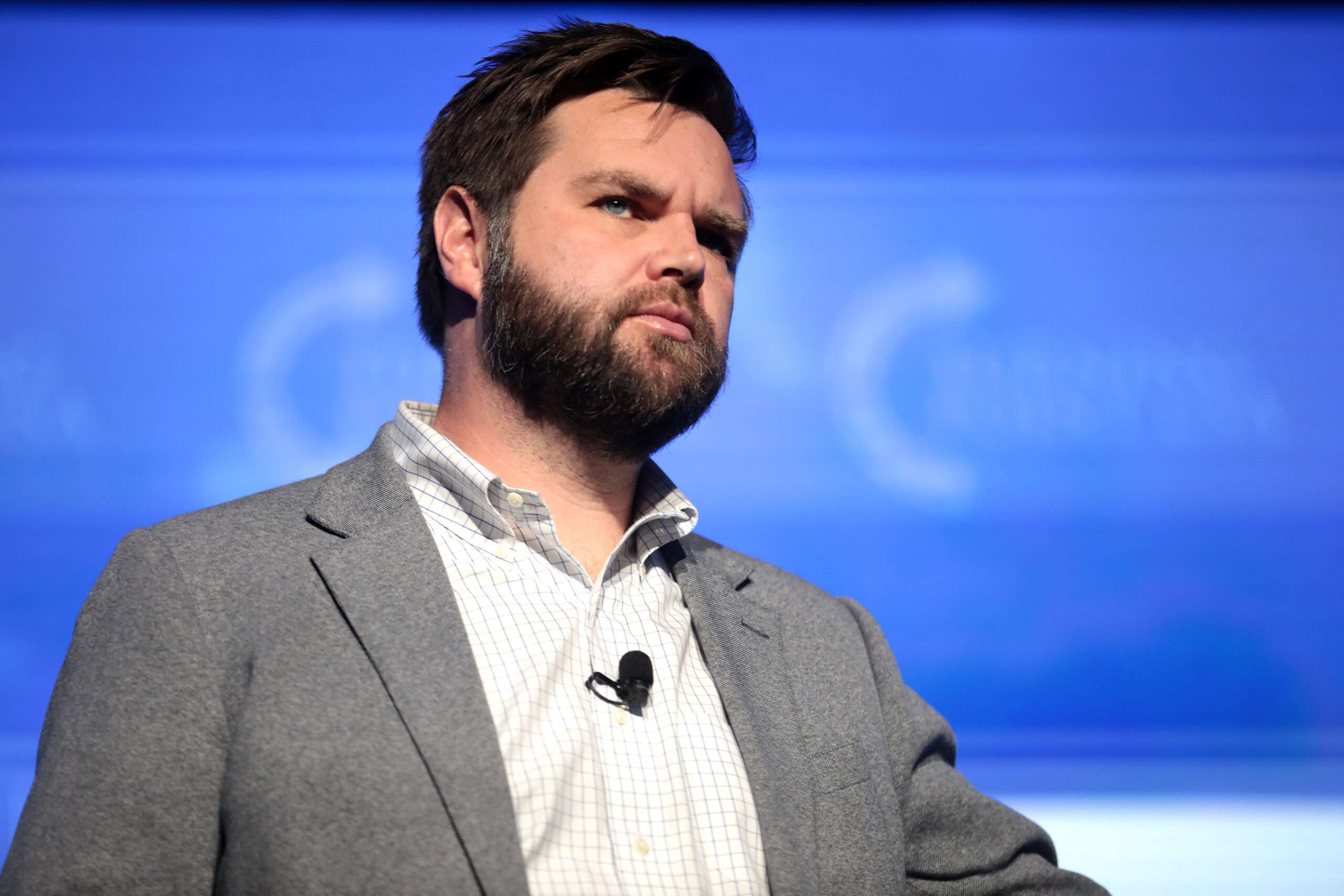
Deloitte is under fire from Trump allies after an employee reportedly leaked private messages involving JD Vance, now Trump’s running mate. The incident has sparked a backlash, with prominent Trump figures calling for the consulting firm to face repercussions from the federal government, given its extensive government contracts.

The controversy began after The Washington Post published a story on September 27 revealing Vance’s private criticism of Trump in a 2020 message, in which Vance said Trump had “thoroughly failed to deliver” on his economic agenda. Although the source of the leaked messages was not identified in the report, Trump’s eldest son, Donald Trump Jr., quickly responded on social media, sharing what he claimed was the identity of the Deloitte employee responsible for leaking the messages. He implied that Deloitte should face consequences, highlighting the firm’s significant earnings from federal contracts, which amounted to about $3 billion in fiscal year 2024. Trump Jr. hinted that Deloitte’s lucrative government work could be at risk, stating, “Maybe it’s time for the GOP to end Deloitte’s taxpayer-funded gravy train.”

This post was echoed by senior figures within Trump’s circle, including campaign senior adviser Jason Miller and a Vance spokesperson. The incident escalated when Trump Jr. later tweeted that Deloitte had not yet commented on the matter, accusing the firm’s employee of working with The Washington Post to “help Kamala Harris.” He promised, “We’re not forgetting this.”

Despite the uproar, neither Trump nor Vance has publicly threatened Deloitte, and Trump Jr. has clarified that he does not plan to hold a role in government. However, the attacks from Trump’s allies have drawn criticism from various quarters. Jeffrey Sonnenfeld, founder of the Yale Chief Executive Leadership Institute, called Trump’s behavior “outrageous” and warned of the dangers should Trump return to the White House, citing the potential for weaponizing the federal government against private businesses.

Throughout his political career, Trump has been known for his confrontations with major corporations. In recent weeks, Trump has threatened companies like John Deere with high tariffs and suggested using the Justice Department to go after Google. Past targets have included Apple, Harley-Davidson, and Amazon, among others. Sonnenfeld noted that Trump’s frequent attacks on iconic American companies represent an “unparalleled vindictiveness and intrusion into private sector decision-making.”

Legal experts also weighed in on the Deloitte situation. Richard Painter, the chief ethics lawyer in the George W. Bush administration, described the attacks as “shameful” and argued that targeting Deloitte’s federal contracts over political reasons would be an abuse of federal contracting law. He emphasized that procurement decisions should be based on quality, price, and taxpayer value, not political affiliations or actions.

Deloitte has distanced itself from the controversy, clarifying that the employee acted independently. A company spokesperson, Jonathan Gandal, stressed that Deloitte is a non-partisan firm and remains committed to serving government and commercial clients across the political spectrum. Gandal also highlighted Deloitte’s 150,000-strong workforce, underscoring that the actions of one individual do not reflect the entire organization.

Despite Trump Jr.’s accusations, The Washington Post has stated that it informed the Deloitte employee of the possibility of his identity becoming public. Trump Jr. defended his comments, asserting that he was exercising his right to voice his opinion about how taxpayer money is spent. He also criticized the Deloitte employee and the Post journalist involved in the story, labeling them both “scumbags.”

Experts like Norman Eisen, a senior fellow at the Brookings Institution, warned that the episode may foreshadow how Trump and his allies could retaliate against perceived enemies if Trump returns to power. Eisen emphasized the need to take these threats seriously, particularly given the implications for businesses and individuals who may face government-backed retaliation.


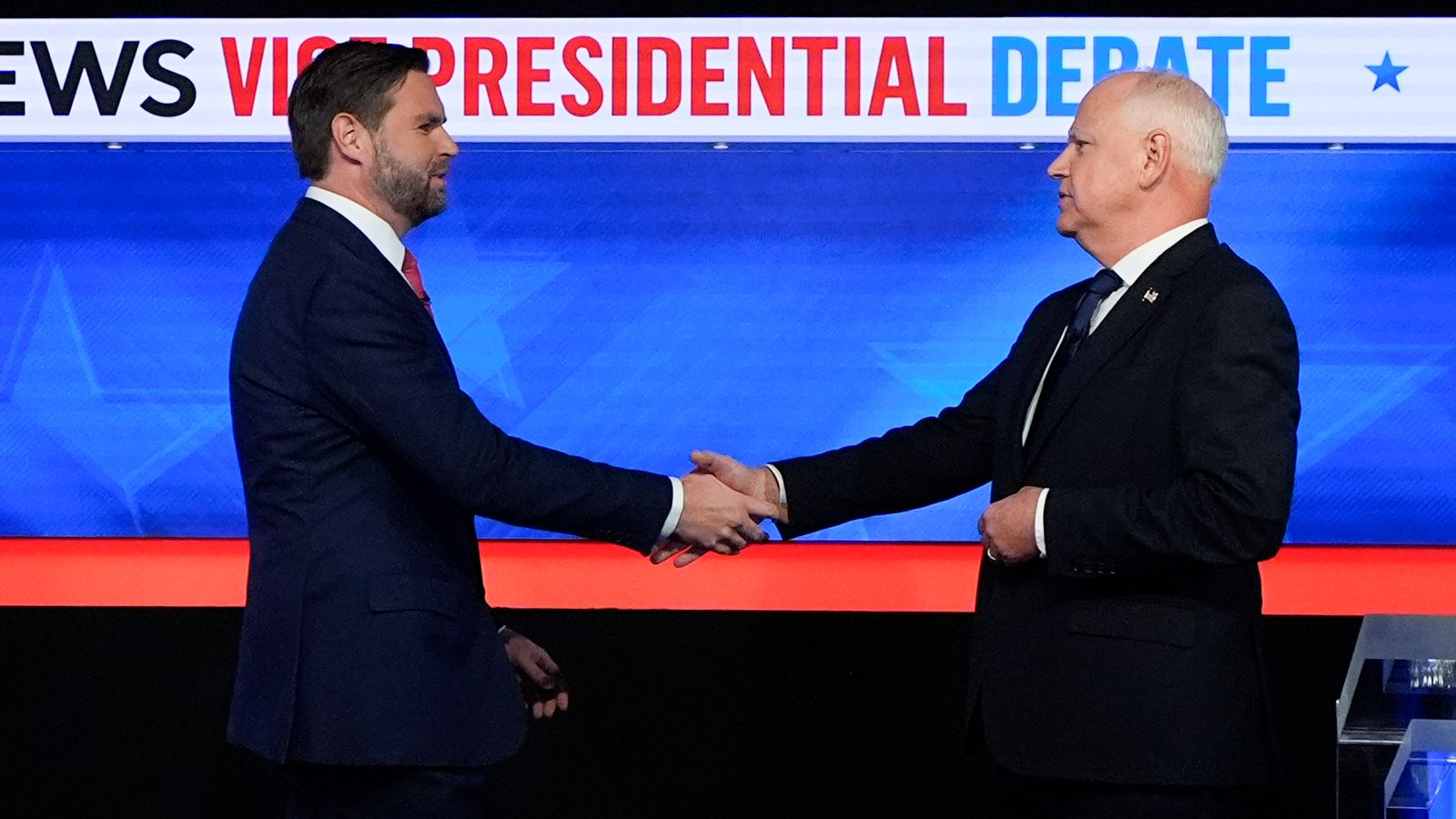
Walz and Vance Clash Politely in Policy-Focused Vice Presidential Debate

In a relatively civil vice presidential debate, Democrat Tim Walz and Republican JD Vance sparred over key policy issues on Tuesday, leaving behind the inflammatory rhetoric that has marked much of the election season. Although both candidates have been vocal critics of each other on the campaign trail, they directed much of their criticism at the leading figures of their respective tickets—Democratic Vice President Kamala Harris and former Republican President Donald Trump.

Tensions flared during the closing moments when Vance, who has previously expressed doubts about the legitimacy of the 2020 election, dodged a question on whether he would challenge the results of this year’s election if Trump were to lose. Walz, Minnesota’s governor, accused Vance of avoiding accountability, tying Trump’s false claims of voter fraud to the January 6, 2021, attack on the U.S. Capitol.

Focused Policy Debate Throughout the debate, both candidates covered a wide range of issues, including the escalating Middle East crisis, inflation, immigration, taxes, abortion, climate change, and the economy. Vance, a U.S. senator from Ohio, used the opportunity to question Vice President Harris’s track record on economic issues, while Walz attacked Trump’s foreign policy and leadership, accusing him of mishandling immigration reform during his presidency.

The debate also touched on the growing conflict in the Middle East, with Vance suggesting that Israel should have the autonomy to decide on preemptive strikes against Iran, while Walz criticized Trump’s erratic approach to international affairs.

Moderated Tone, Underlying Tensions Despite the sharp contrasts in their policy positions, both candidates maintained a cordial tone, embodying what has been described as “Midwestern nice.” Vance was careful in his criticism of Harris but focused on attacking her handling of inflation and immigration, suggesting that she should have already implemented solutions rather than waiting for another term. Walz, meanwhile, painted Trump as an unpredictable leader who favored billionaires and failed to deliver on his campaign promises, particularly in regard to immigration.

Political Fallout Vice presidential debates rarely sway elections, but with the race as close as it is, even small shifts in voter opinion could prove decisive. Both candidates aimed to solidify their support while attempting to win over undecided voters. While Vance defended Trump’s record, he was pressed on his own previous criticisms of the former president, admitting he was wrong about Trump in the past. Walz, in turn, faced questions about past claims that he was present during the 1989 Tiananmen Square protests, admitting he had misspoken.

Polls have shown mixed feelings about both vice-presidential candidates. Vance, despite being a best-selling author, is viewed unfavorably by 51% of registered voters. Walz, a former high school teacher, fares slightly better, but the tight race remains unpredictable, especially in the swing states.