Conservative Donor Network Co-Founded by JD Vance Seeks to Shift U.S. Politics Rightward Ahead of 2024 Elections
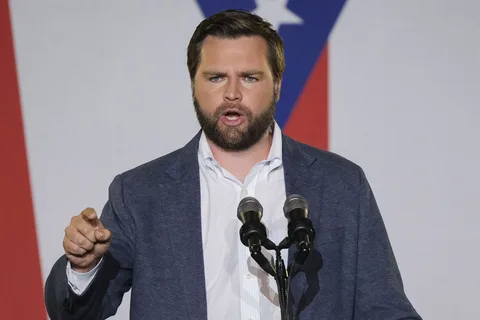
In 2019, JD Vance, the Republican politician and author of “Hillbilly Elegy,” co-founded the Rockbridge Network, a donor-backed organization aimed at influencing U.S. politics through right-wing media and voter mobilization. Though Vance no longer holds a formal position in Rockbridge, the organization has continued to grow, supported by tech industry investors and venture capitalists aligned with Vance and former President Donald Trump. The group’s goal is to promote a nationalist agenda, fund conservative investigative reporting, and influence elections through political action committees (PACs) and coordinated get-out-the-vote efforts.
The Rockbridge Network, which is estimated to have a budget of $75 million for 2024, operates through several political groups, including a super PAC, that focus on voter turnout in key battleground states and financing media outlets that support right-wing causes. Some of the network’s donors have deep roots in Silicon Valley and include high-profile figures like libertarian billionaire Peter Thiel, a major supporter of Vance’s political career.
The network’s focus extends beyond traditional Republican issues to include deregulation of industries such as cryptocurrency and artificial intelligence, a priority for many of its tech-investor backers. Rockbridge is also closely tied to conservative activist and heiress Rebekah Mercer, who has a long history of supporting right-wing causes and was instrumental in the rise of Trump’s political movement.
One of the key components of Rockbridge’s strategy is recruiting religious communities into political activism. Through a group called Faithful in Action, the network is actively working to mobilize churchgoers and integrate them into conservative political efforts. Another initiative, Firebrand Action, focuses on promoting right-wing investigative journalism, although the exact media outlets supported by Rockbridge remain undisclosed.
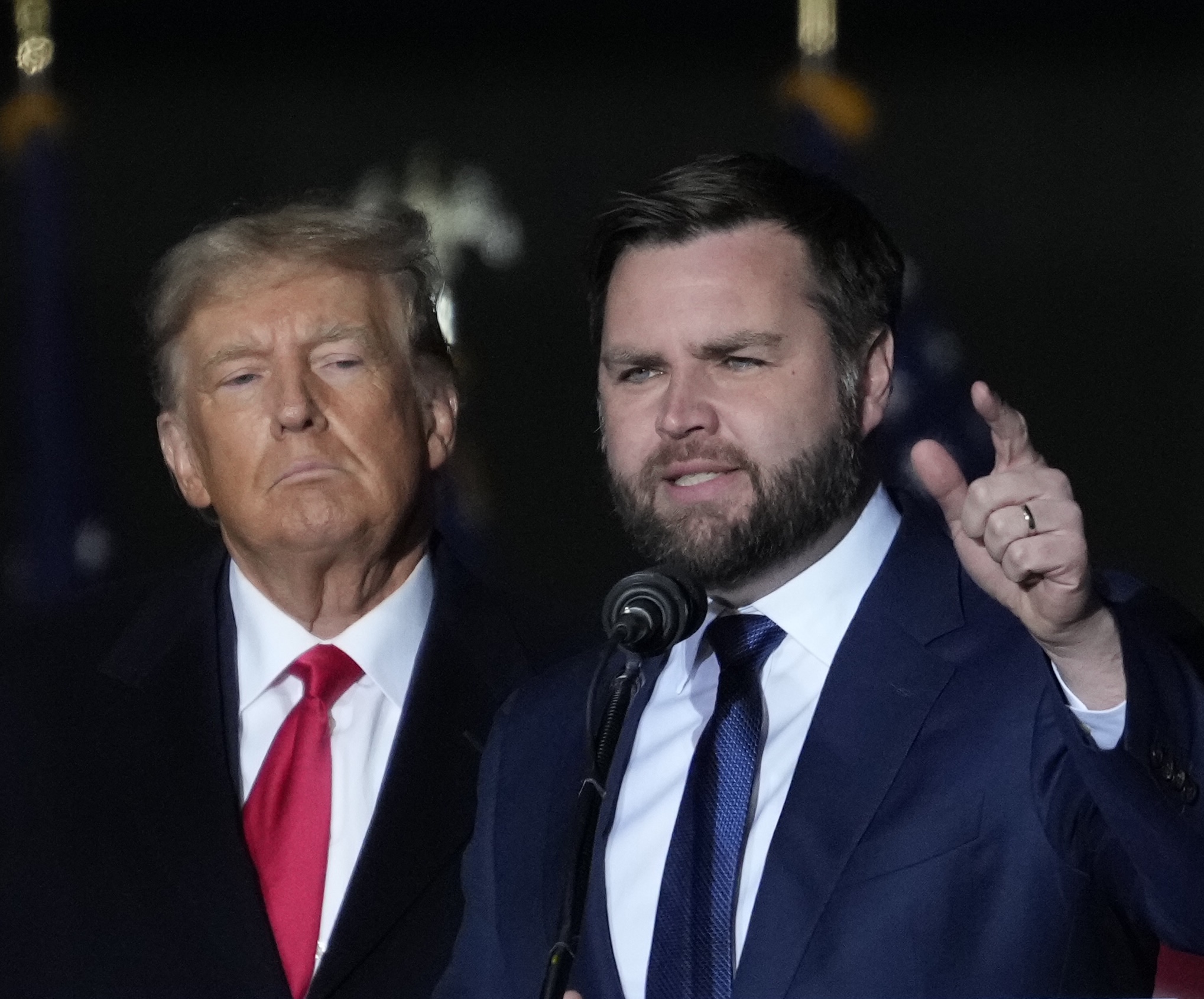
Vance’s role in the network and his continued association with its members have raised questions about the potential influence of tech and venture capital money in conservative politics. As Vance campaigns alongside Trump for the upcoming 2024 elections, Rockbridge’s efforts are expected to play a significant role in shaping the political landscape, especially in swing states where both Trump and Vance are focusing their campaign efforts.
In addition to its political operations, Rockbridge has also served as an incubator for new conservative ventures. One notable example is 1789 Capital, a $150 million venture capital firm founded by Rockbridge members Chris Buskirk, Blake Masters, and Rebekah Mercer. The firm is dedicated to building a “parallel economy” of conservative businesses, with its first major investment going to a media company formed by former Fox News host Tucker Carlson.
With the support of a network of tech investors and political activists, Rockbridge aims to reshape the Republican political ecosystem. Its influence could play a crucial role in the 2024 elections, further solidifying the impact of Silicon Valley on conservative politics while expanding the reach of Trump’s nationalist agenda. As the organization continues to grow, its ability to fund right-wing media, bolster voter turnout, and support conservative businesses will likely have lasting effects on U.S. politics.