Yazılar

Trump Announces $500 Billion AI Investment with OpenAI, SoftBank, and Oracle

President Donald Trump unveiled a major artificial intelligence initiative on Tuesday, with OpenAI, SoftBank, and Oracle teaming up to form a joint venture called Stargate. The venture aims to invest $500 billion into AI infrastructure, marking a significant step forward in the development of AI technologies.

Key Points:

  • Joint Venture Stargate: OpenAI, SoftBank, and Oracle have joined forces to create Stargate, a collaborative venture that will focus on enhancing AI infrastructure. The $500 billion investment is set to drive advancements in AI technology and its applications across various industries.
  • Trump’s Support: President Trump expressed his commitment to facilitating the venture through emergency orders, aiming to streamline processes and provide the necessary support to ensure the success of the project.
  • Strategic Significance: This investment marks a significant development in the growing AI sector, as these major players look to capitalize on the increasing demand for artificial intelligence capabilities. The collaboration between tech giants OpenAI, SoftBank, and Oracle is expected to shape the future of AI innovation.
Stellantis and CATL to Build $4.33 Billion EV Battery Factory in Spain

Stellantis and Chinese battery manufacturer CATL have announced a joint investment of €4.1 billion ($4.33 billion) to establish a new electric vehicle (EV) battery factory in Zaragoza, Spain. The two companies will form a 50-50 joint venture and aim to start production by the end of 2026. The plant could have a production capacity of up to 50 gigawatt hours, depending on market growth and regulatory support.


Boost to European EV Battery Production

The collaboration between Stellantis and CATL is part of Europe’s efforts to reduce its reliance on Asia for EV batteries and increase its competitiveness against the United States in the race for green subsidies. The move comes as the region continues to attract battery manufacturers despite challenges such as regulatory delays, production issues, and slower-than-expected demand for electric vehicles.

In recent months, European battery makers have faced significant setbacks, with Sweden’s Northvolt filing for Chapter 11 bankruptcy after losing a major customer. However, the new Zaragoza plant represents a step forward for both companies, leveraging the region’s clean energy initiatives.


CATL’s Expansion in Europe

The Zaragoza factory will be CATL’s third European plant, following its existing facilities in Germany and Hungary. The German plant, established six years ago, has an investment of €1.8 billion, with a planned capacity of 14 gigawatt hours. The Hungarian plant, under construction, will see a €7.3 billion investment and target a much larger capacity of 100 gigawatt hours.


Stellantis’ Broader EV Strategy

Alongside its partnership with CATL, Stellantis is a major investor in the ACC battery joint venture, which also includes Mercedes and TotalEnergies. ACC has begun production in France, although the development of additional plants in Italy and Germany has faced delays due to a dip in EV demand.

Shell and Equinor to Create Britain’s Largest Independent Oil and Gas Company in Joint Venture

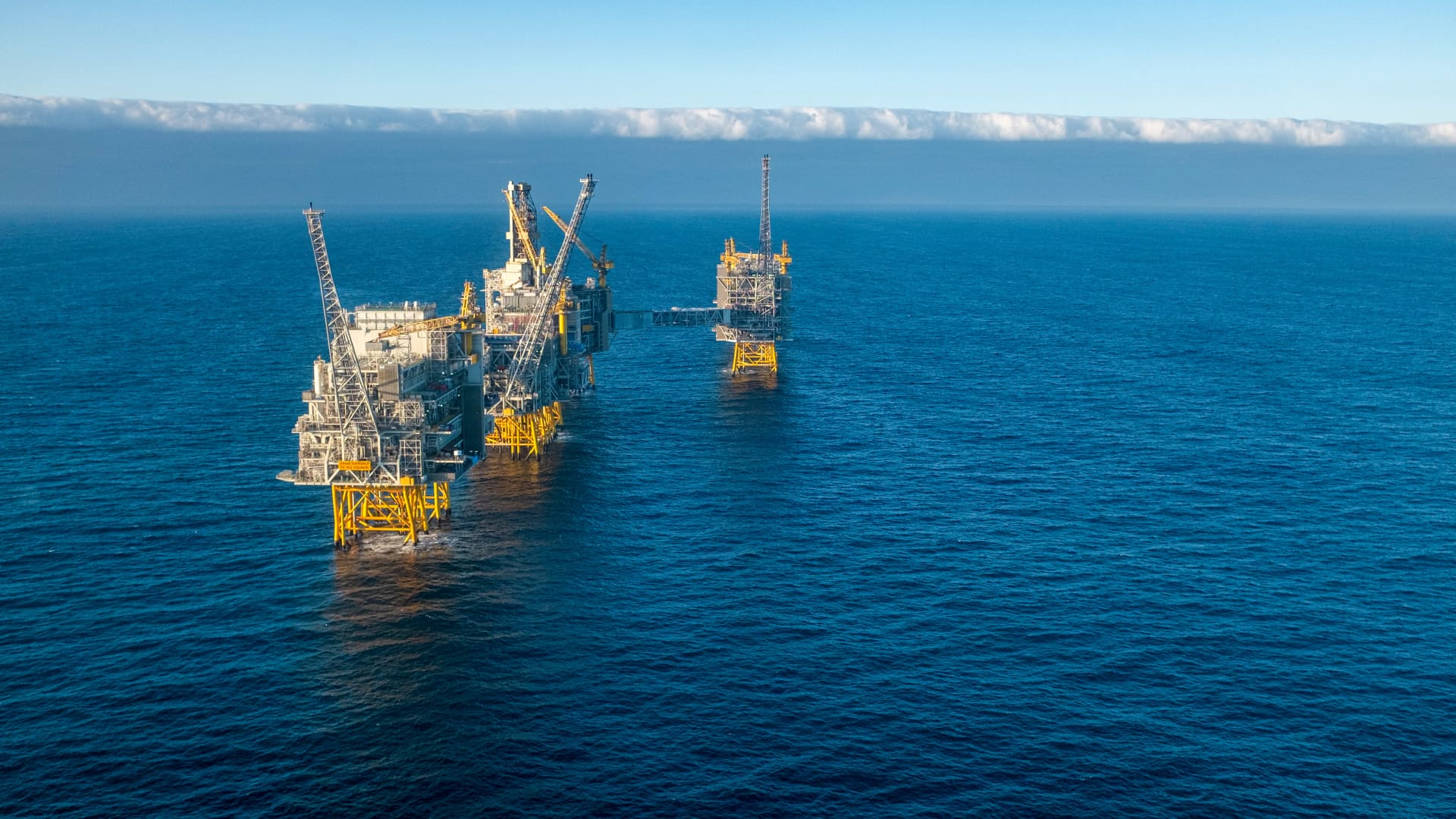
Oil giants Shell and Equinor have unveiled plans to merge their U.K. offshore oil and gas operations into a new joint venture, marking the creation of the largest independent oil and gas company in the U.K.

Details of the Joint Venture

The companies aim to establish the venture in Aberdeen, Scotland, by the end of 2025, pending regulatory approvals. This move is designed to maintain fossil fuel production and ensure the stability of the U.K.’s energy supply. Once completed, the venture will become the largest independent producer in the U.K. North Sea, according to Shell.

The combined entity is expected to produce over 140,000 barrels of oil equivalent per day by 2025. While Shell’s stock saw a slight dip of 0.8%, Equinor’s share price rose by 0.3% following the announcement.

Strategic Rationale

Shell’s Zoë Yujnovich emphasized that domestically produced oil and gas will continue to play a vital role in the U.K.’s energy future. She added that the joint venture will contribute significantly to the country’s energy transition, supplying heat for homes, power for industries, and fuels for everyday use.

The new venture will bring together Equinor’s assets in Mariner, Rosebank, and Buzzard, alongside Shell’s holdings in Shearwater, Penguins, Gannet, Nelson, Pierce, Jackdaw, Victory, Clair, and Schiehallion. Equinor currently employs 300 staff in the U.K., while Shell has around 1,000 employees across its oil and gas operations in the country.

Philippe Mathieu, Equinor’s executive vice president for exploration and production, stated that the deal strengthens the company’s cash flow and enhances both companies’ abilities to secure the U.K.’s energy supply.

Economic and Strategic Considerations

Analysts, including Biraj Borkhataria of RBC Capital Markets, highlighted the potential for significant “tax synergies” between the two companies, especially in light of recent changes to the U.K. government’s fiscal policy on oil and gas.

In the context of higher windfall taxes, which could curtail investment in North Sea development, combining resources makes strategic sense, allowing Shell and Equinor to pool their expertise and assets while reducing their capital focus in the region. This mirrors moves by other companies like Eni, which have adjusted their strategies in response to the challenging U.K. market.