Yazılar

JPMorgan Hires Guggenheim Executive to Boost Mid-Cap Tech Investment Banking

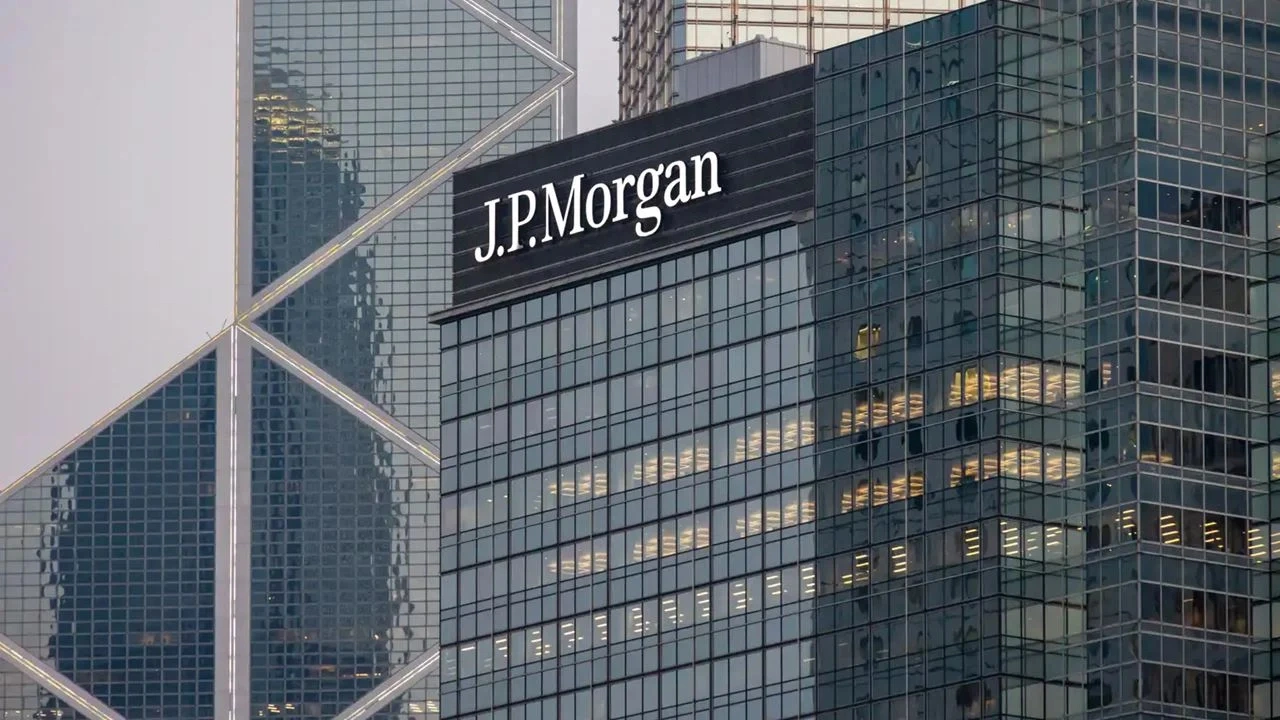
JPMorgan Chase is bolstering its technology investment banking division with the addition of Mike Amez, a senior executive from Guggenheim Securities, according to an internal staff memo reviewed by Reuters. Amez is set to join the bank in September as Head of Mid-Cap Technology Services, based in Chicago.

In the memo, Global Co-Heads of Technology Investment Banking Chris Grose and Greg Mendelson said Amez brings a deep background in IT services, cybersecurity, and cloud infrastructure, with a career focused on building enduring client relationships in the fast-evolving tech landscape. At Guggenheim, he was a Senior Managing Director in its tech investment banking group.

Amez’s appointment is part of JPMorgan’s ongoing expansion of its technology banking franchise, especially targeting medium-sized tech companies, a fast-growing market segment. The hire comes just weeks after the bank added four senior executives from Goldman Sachs, Bank of America, and Lazard to strengthen its West Coast tech banking operations.

Already a dominant force in technology dealmaking, JPMorgan is sharpening its sub-sector expertise to maintain its lead, according to Dealogic data. The bank has recently played a central advisory role in high-profile transactions, including:

  • Global Payments’ $24.25 billion acquisition of Worldpay,

  • Turn/River’s $4.4 billion buyout of SolarWinds,

  • DoorDash’s $3.9 billion takeover of Deliveroo,

  • And CoreWeave’s $23 billion public listing in March.

JPMorgan’s continued investment in specialized talent suggests a clear strategy to deepen market penetration in niche but fast-growing tech verticals, especially as deal activity rebounds in select sectors like AI, cloud, and fintech.

Major U.S. Banks Explore Joint Stablecoin Initiative, WSJ Reports

Several top U.S. banks, including JPMorgan Chase, Bank of America, Citigroup, and Wells Fargo, are reportedly in early discussions to jointly issue a stablecoin, according to a Wall Street Journal report published Thursday. The conversations are still preliminary and conceptual, sources told the newspaper.


Details of the Stablecoin Proposal

  • The effort involves entities co-owned by the banks, including The Clearing House and Early Warning Services.

  • One proposed structure could allow non-owner banks to also use the stablecoin, potentially expanding it into a broadly accepted digital settlement method within the financial industry.

  • The banks aim to explore whether a jointly issued dollar-backed stablecoin could enhance settlement efficiency, particularly for digital payments and interbank transfers.

  • Discussions also include the regulatory implications and technical infrastructure needed for a consortium-based coin.


Context and Market Implications

  • Stablecoins are cryptocurrencies pegged to fiat currencies (usually the U.S. dollar) and are primarily used to transfer value across crypto ecosystems quickly and with minimal volatility.

  • Currently, the U.S. stablecoin market is dominated by private players like Tether (USDT) and Circle (USDC). A move by traditional banks could challenge their dominance and legitimize digital dollar alternatives in regulated finance.

  • The initiative, if realized, would mark one of the most significant entries by traditional financial institutions into crypto infrastructure.


Political and Regulatory Backdrop

  • The report comes amid a shifting regulatory and political landscape in the U.S.:

    • Former President Donald Trump has positioned himself as a pro-crypto advocate, promising to become the “crypto president” and backing policies that promote blockchain innovation.

    • This contrasts with prior Democratic efforts to regulate or restrict aspects of crypto finance.

  • Regional banks are reportedly considering forming a separate consortium, highlighting the fragmented but growing interest in stablecoin issuance across the banking spectrum.


Responses and Next Steps

  • Citigroup, Bank of America, and Wells Fargo declined to comment.

  • JPMorgan did not respond to inquiries.

  • No official decisions have been made, and the project remains exploratory with potential changes in direction depending on regulatory feedback and internal priorities.

Australia Regulator Sues FIIG Securities for Cybersecurity Failures

The Australian Securities and Investments Commission (ASIC) announced on Thursday that it is suing FIIG Securities, a fixed-income broker, accusing the company of failing to implement proper cybersecurity measures over a four-year period. These alleged failures allowed a hacker to infiltrate FIIG’s IT network, resulting in the theft of approximately 385 gigabytes of confidential data.

The breach, which occurred between May 19 and June 8, 2023, affected 18,000 clients, who were notified that their personal information may have been compromised. Some of the stolen client data was later found on the dark web.

ASIC’s lawsuit claims that from March 2019 to June 2023, FIIG failed to take necessary steps to ensure the security of its digital infrastructure. The regulator stated that the company lacked adequate cyber risk management systems, which directly contributed to the attack.

“Advancing digital safety and resilience is a strategic priority for ASIC, and we have been actively engaging with companies to support the continuous improvement of cyber and operational resilience practices,” said ASIC Chair Joe Longo.

During the period when the cybersecurity issues occurred, JPMorgan held assets for FIIG and its clients, ranging in value from A$2.89 billion ($1.83 billion) to A$3.7 billion. However, JPMorgan declined to comment on the matter when contacted by Reuters, and FIIG did not respond to requests for comment.

According to ASIC, the deficiencies alleged include FIIG’s failure to adequately update and patch its software, as well as its insufficient resources to protect against and prevent cyberattacks.