Yazılar

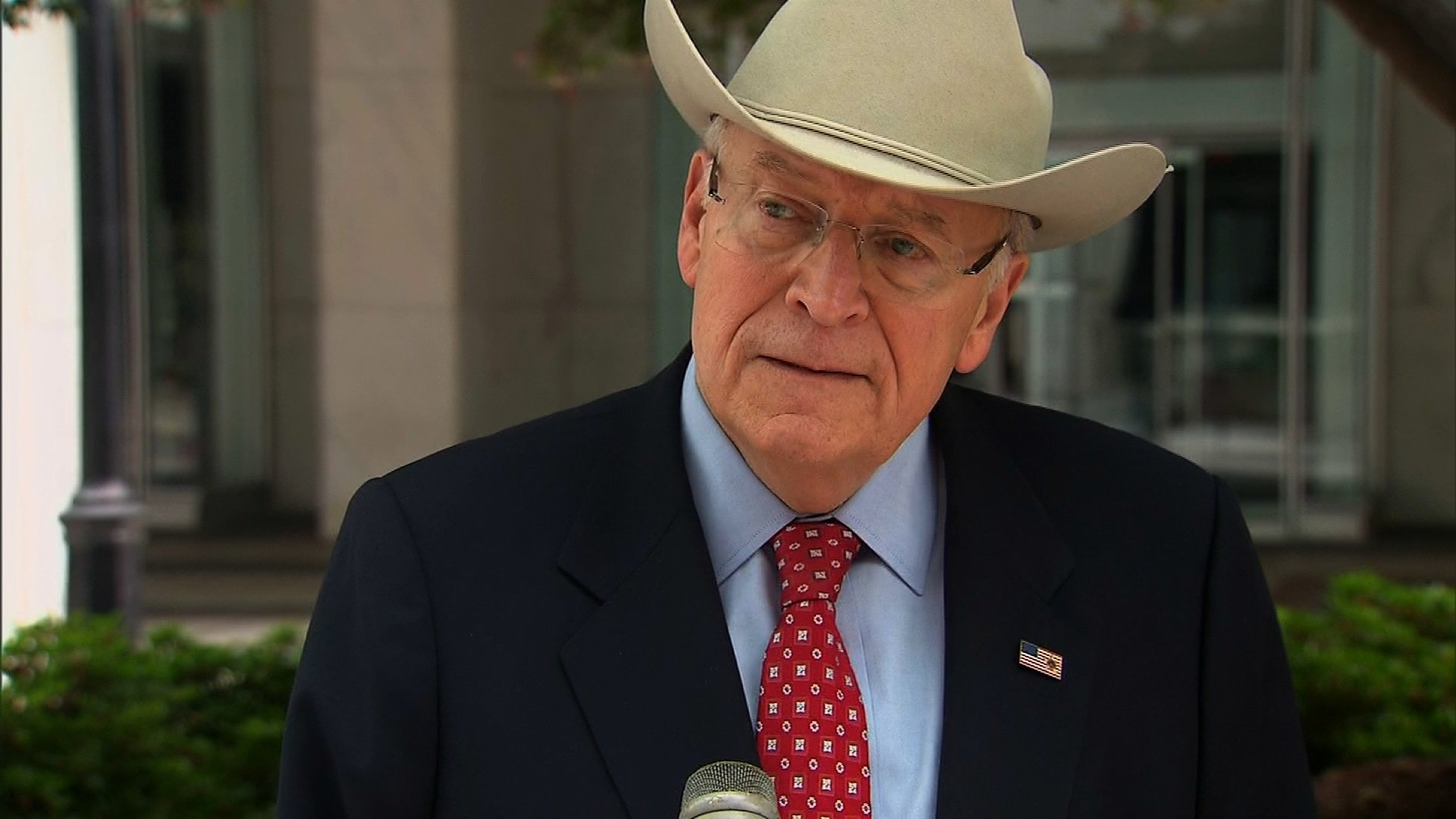
Former Vice-President Dick Cheney Announces Support for Kamala Harris in November Election

Former US Vice-President Dick Cheney, a long-time Republican, has announced he will cast his vote for Democratic candidate Kamala Harris in the upcoming presidential election. Cheney, a significant figure during George W. Bush’s presidency, criticized current Republican candidate Donald Trump, labeling him as a severe threat to the republic. Cheney stated, “He [Trump] tried to steal the last election using lies and violence to keep himself in power after the voters had rejected him. He can never be trusted with power again.” He emphasized the importance of prioritizing the country over party affiliation, saying, “As citizens, we each have a duty to put country above partisanship to defend our constitution. That is why I will be casting my vote for Vice-President Kamala Harris.”

Cheney’s endorsement was met positively by Harris’s campaign, with campaign chair Jen O’Malley Dillon praising Cheney’s courage to prioritize the country over partisan interests. Cheney’s decision aligns him with a growing number of Republicans who have expressed apprehension about Trump’s candidacy. His daughter, Liz Cheney, who has been vocal against Trump, had previously supported Harris and was among the 10 Republicans who voted to impeach Trump following the January 6 Capitol riots. Liz Cheney lost her congressional seat in 2022 to a Trump-supported candidate.

In response to Cheney’s endorsement, Trump labeled him as an “irrelevant RINO” (Republican in Name Only) and criticized him as the “King of Endless, Nonsensical Wars,” referencing Cheney’s role in the Iraq War.

Exclusive: US Warns Nippon Steel Bid for U.S. Steel Poses National Security Risk

The Biden administration, through the Committee on Foreign Investment in the United States (CFIUS), warned Nippon Steel that its $14.9 billion acquisition of U.S. Steel poses a national security threat by potentially weakening the American steel industry. Both Democrats and Republicans have voiced opposition to the deal, with Vice President Kamala Harris and former President Donald Trump expressing strong desires to keep U.S. Steel under American ownership. In a letter sent to the companies, CFIUS highlighted concerns that the transaction would harm U.S. steel production and diminish efforts to seek trade remedies. In their response, the companies warned that rejecting the deal could lead to the idling of U.S. Steel’s blast furnace facilities, result in thousands of job losses, and ultimately weaken the U.S. steel supply chain. While Nippon Steel and U.S. Steel maintain that the deal would strengthen the industry and pose no security risks, political pressures and economic concerns are at the heart of the debate, as the companies consider their legal options to move forward.


Harris Courts Union Workers in Key Swing States with Biden’s Support Amid U.S. Steel Controversy

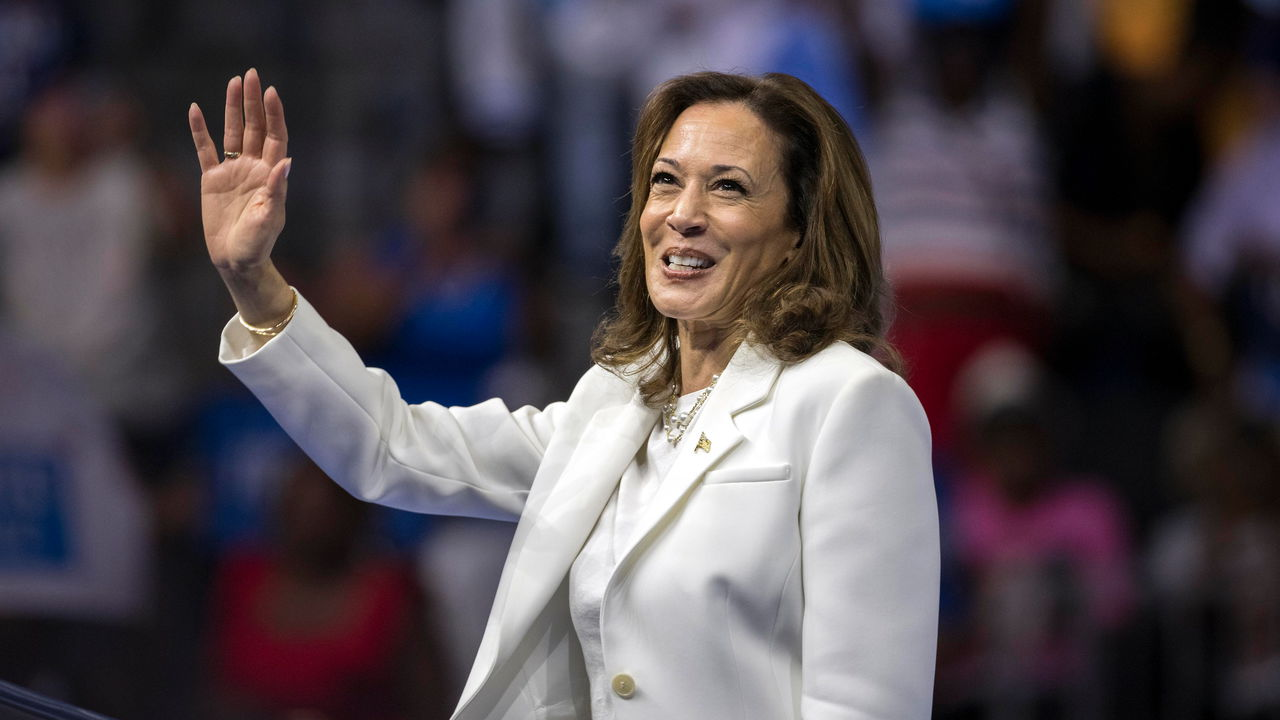
On Labor Day, Kamala Harris joined President Joe Biden at a rally in Pittsburgh, aiming to solidify support from union workers in critical battleground states like Pennsylvania and Michigan. The event marked the first joint appearance of Harris and Biden since she officially became the Democratic presidential nominee, underscoring the importance of courting working-class voters, a key demographic also being targeted by her opponent, Donald Trump.

Harris voiced concerns over the potential acquisition of U.S. Steel by Japan’s Nippon Steel, stressing the importance of keeping the historic American company under domestic ownership. “U.S. Steel should remain American-owned and American-operated,” she said, aligning her stance with Biden’s pro-union agenda, which has been central to his presidency.

The labor vote remains a pivotal focus for both the Harris and Trump campaigns as they vie for support in swing states like Pennsylvania, where unionized workers hold significant influence. Trump, who did not make any public appearances on Labor Day, has similarly opposed the U.S. Steel deal, framing it as a threat to American jobs and security. The Harris campaign, however, seized the opportunity to mock Trump for his absence, posting on X that he was likely “golfing.”

Despite a Reuters/Ipsos poll showing Harris leading Trump by a slim margin nationally, the race remains tight, with both candidates ramping up their outreach efforts. While Harris is leveraging her campaign to maintain the momentum from her nomination, Trump continues to attract blue-collar voters with his promises of economic nationalism and job protection.

The backdrop of the Gaza conflict, however, loomed over campaign activities. As Harris and Biden met with U.S. hostage negotiation teams in Washington, their administration faced criticism for its approach to the Gaza ceasefire negotiations. Pro-Palestinian activists, opposing U.S. support for Israel, staged large protests, raising the potential for more demonstrations along Harris’s campaign trail in the weeks ahead.

With both campaigns seeking to capture the labor vote while navigating the complexities of international conflicts, the election remains fraught with challenges that could sway voters in unexpected ways.