Yazılar

Biden Administration Dismisses Prospects for Renewed Iran Nuclear Talks Amidst Tensions

The Biden administration has cast serious doubt on the likelihood of resuming nuclear negotiations with Iran, despite a recent signal from Iran’s supreme leader indicating a willingness to reengage in talks with the United States. The State Department has emphasized that any potential dialogue will be contingent on Iran demonstrating concrete actions rather than merely verbal assurances.

Ayatollah Ali Khamenei’s recent comments authorized Iran’s newly appointed president, Masoud Pezeshkian, to explore discussions with the U.S., but he cautioned against placing undue trust in Washington. The State Department responded by highlighting Iran’s ongoing nuclear escalations and its lack of cooperation with the International Atomic Energy Agency (IAEA) as significant barriers to effective diplomacy.

The administration remains committed to a negotiated solution as the preferred method to address Iran’s nuclear ambitions. However, officials acknowledge that the current lack of meaningful engagement from Tehran and the complexities of the upcoming U.S. presidential election are major obstacles to restarting negotiations. The political climate, particularly the potential impact on Vice President Kamala Harris’ and other Democrats’ election prospects, further complicates the situation.

Former President Donald Trump’s withdrawal from the 2015 Joint Comprehensive Plan of Action (JCPOA) and subsequent reimposition of sanctions on Iran has left the nuclear agreement in limbo. The current administration’s attempts to revive talks have faced significant setbacks, with initial optimism fading as discussions failed to advance.

In recent developments, Secretary of State Antony Blinken warned that Iran is nearing the capability to produce fissile material for a nuclear weapon. The administration continues to monitor the situation closely, amid broader regional tensions, including recent Israeli military actions in Lebanon.

The prospects for a new nuclear deal before President Biden’s term ends appear increasingly slim, casting doubt on his administration’s ability to fulfill its commitment to a “longer and stronger” agreement with Iran.
 

Harris Campaign Rejects Trump’s Claim on Hot Mic Agreement for Upcoming Debate

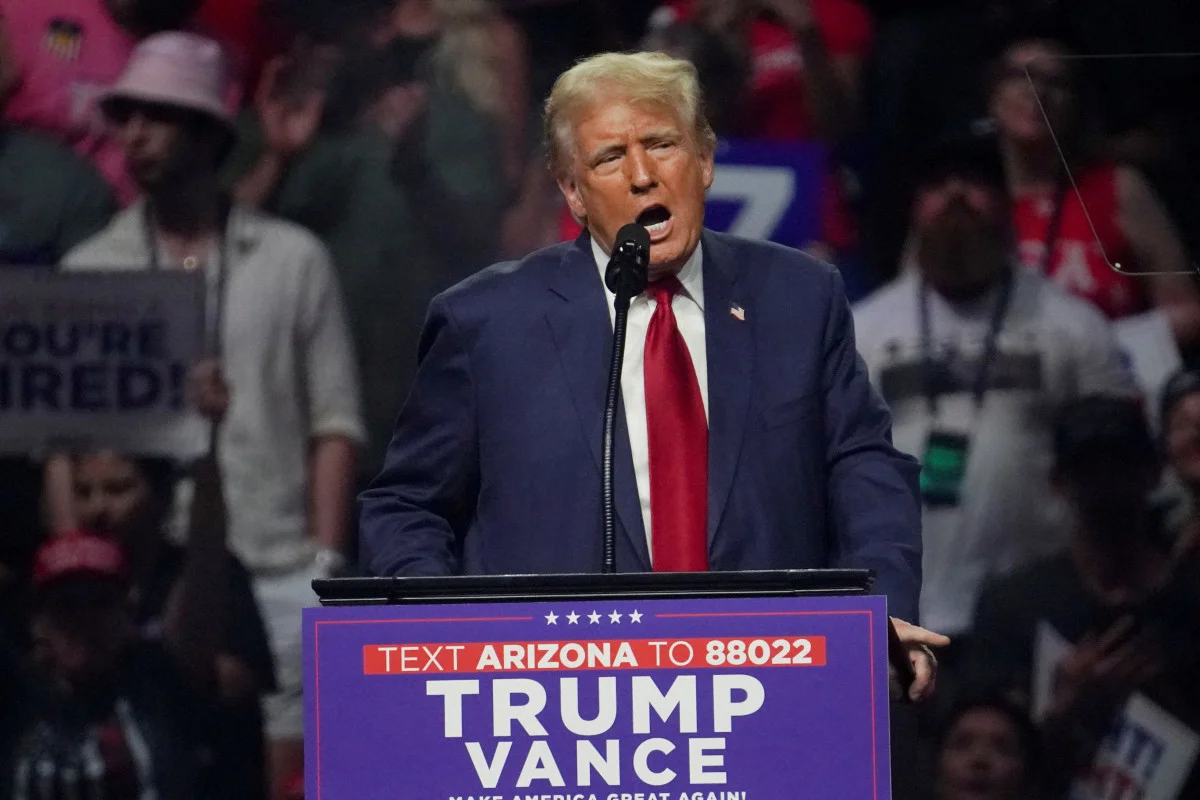
Kamala Harris’ presidential campaign dismissed Donald Trump’s claim that both sides had agreed on muting microphones for the Sept. 10 debate, stating the terms remain unsettled with host network ABC. Trump had earlier announced that the debate would follow the same rules as his previous CNN debate, where no live audience and muted mics were in place. However, Harris’ team rejected this assertion, calling for open microphones throughout the debate to allow unfiltered exchanges. The controversy over “hot mics” highlights ongoing tensions between the campaigns, with Harris mocking Trump for allegedly backtracking on his stance. Negotiations with ABC continue as both candidates prepare for the high-stakes debate.

Harris and Walz Rally in Georgia Amid Rising Democratic Momentum

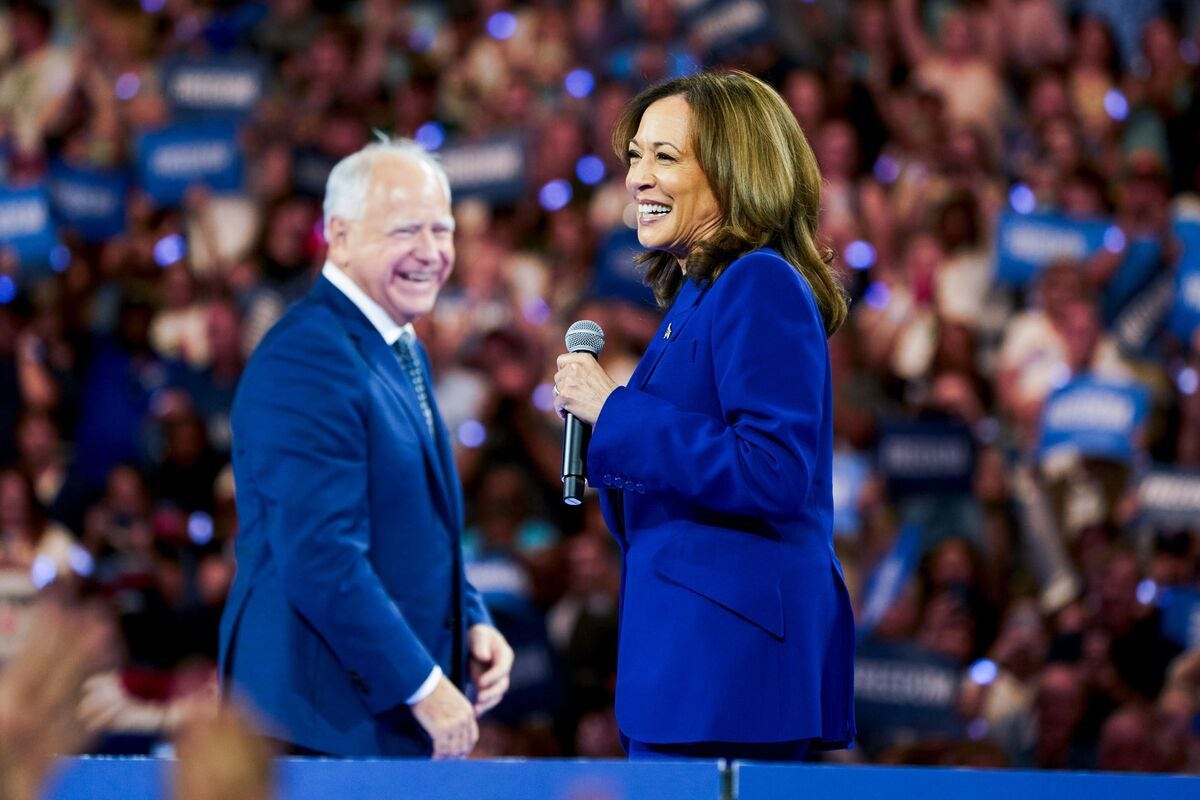
Kamala Harris and her running mate, Tim Walz, have kicked off a pivotal bus tour through Georgia, a key swing state where Democrats hope to replicate their narrow 2020 victory. Harris, the Democratic presidential candidate, is focusing on energizing Black voters, who constitute roughly one-third of Georgia’s electorate and are essential for a Democratic win. The bus tour, targeting southern Georgia, comes as national polls show Harris gaining ground on her Republican rival, Donald Trump.

Since President Joe Biden withdrew from the race and endorsed Harris, the campaign has gained momentum, including raising over $500 million in donations. Harris has nearly closed the gap with Trump, now trailing by just 0.6% in Georgia, a state that was last won by a Democrat in 1992 before Biden’s narrow victory in 2020.

As the first Black and South Asian woman running for president, Harris hopes to strengthen Democratic support among Black voters while appealing to a broader coalition of working-class and suburban voters across the state. Key issues for the campaign include economic reforms and abortion rights, with Harris pledging to lower consumer costs and protect reproductive rights.

The Georgia tour will culminate in a major rally in Savannah, following a series of events across the state aimed at rallying voters. Harris’ campaign has significantly expanded its presence in Georgia, adding staff and opening new field offices. Georgia’s 16 electoral votes are critical to securing a win in November, and both Democrats and Republicans have significantly increased their efforts in the state.

While Republicans, led by Trump, continue to prioritize Georgia in their campaign strategy, Harris’ rising popularity and energized voter base suggest that the Peach State may once again be a battleground in the 2024 election.