Yazılar

Kamala Harris’ Economic Agenda: A Focus on Tax Cuts, Price Control, and Affordable Housing

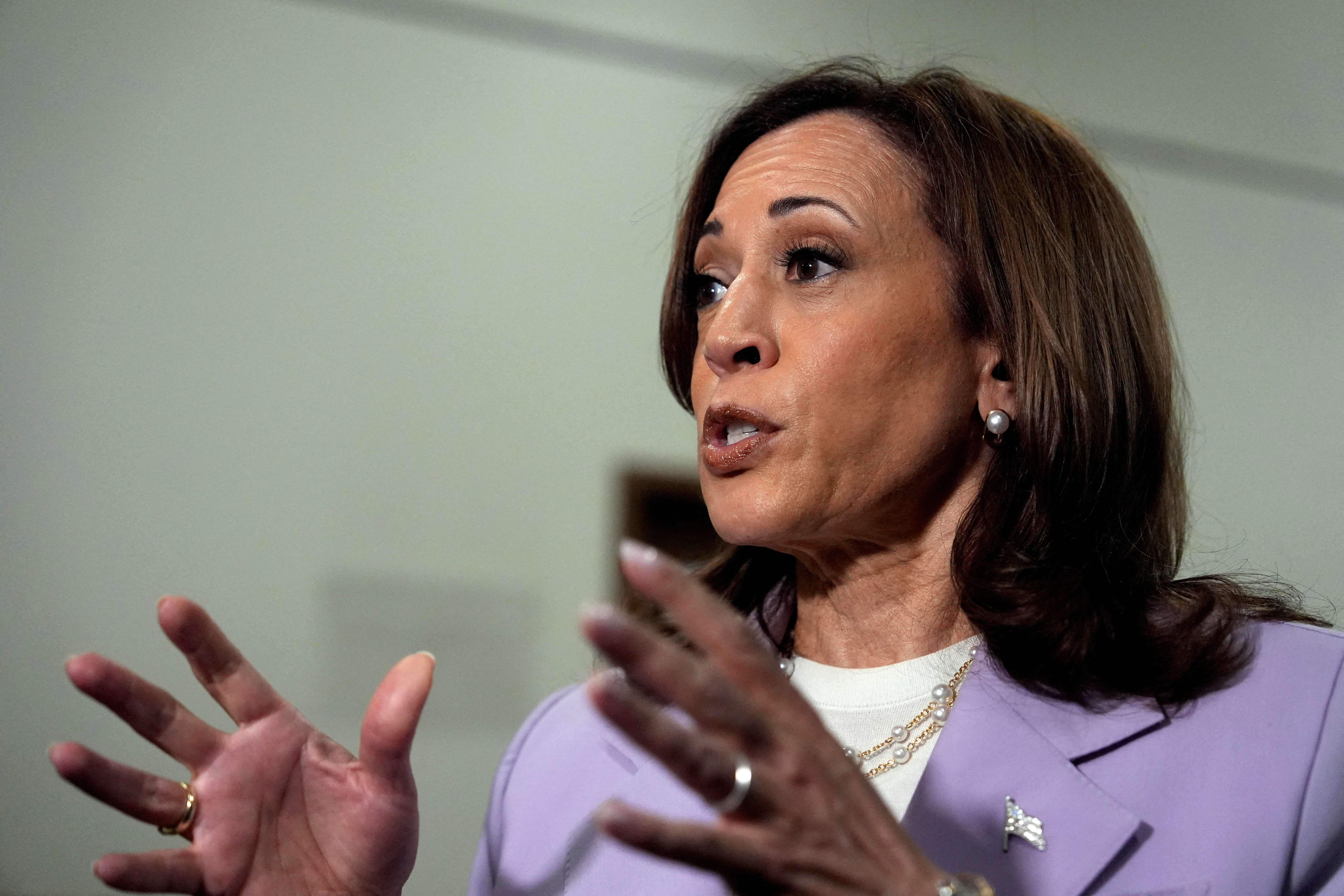
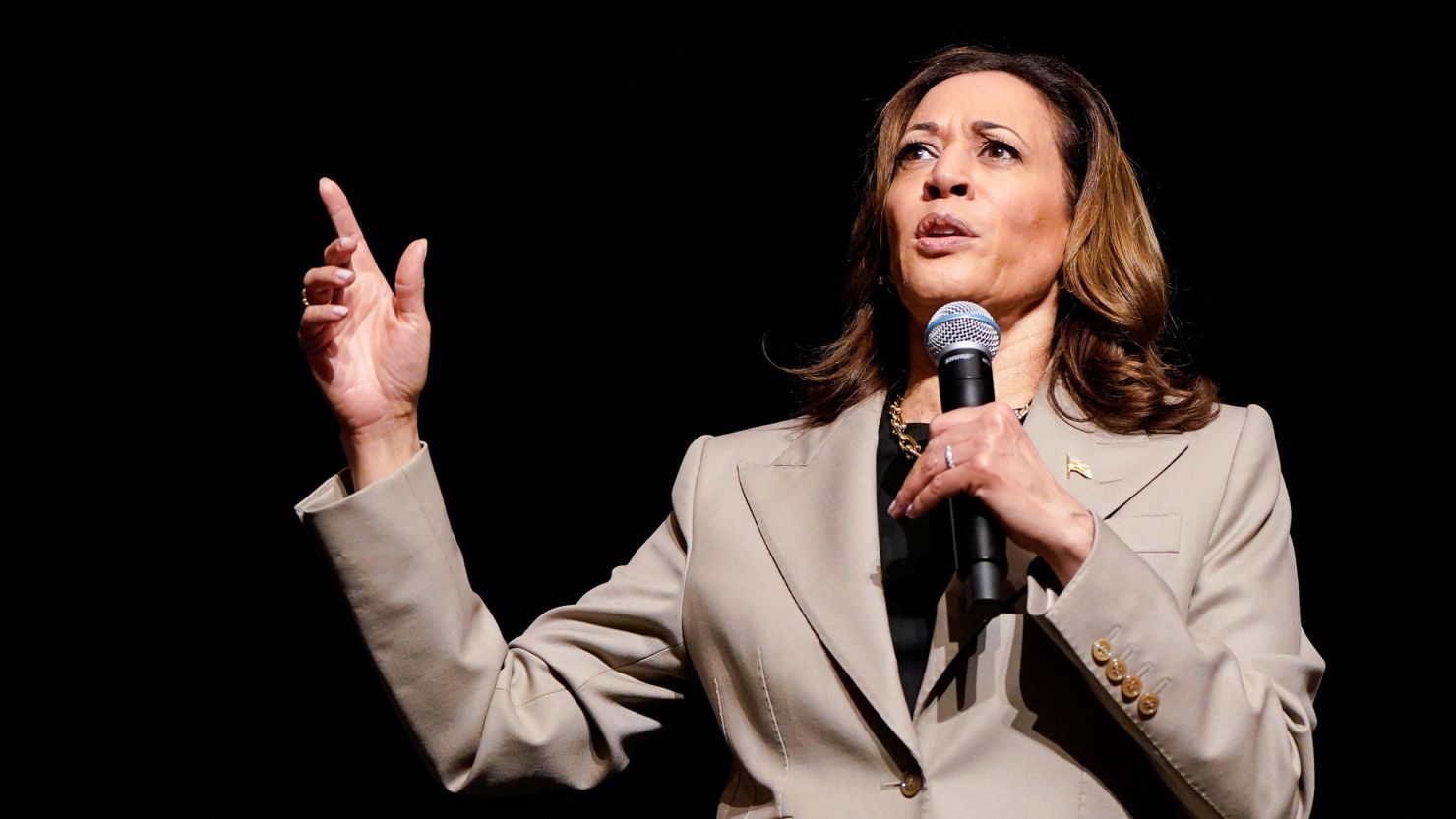
Kamala Harris has unveiled her economic plan, which builds on President Biden’s policies with new initiatives aimed at lowering costs and taxes for Americans. In her first major speech focused on the economy as the Democratic presidential candidate, Harris plans to introduce proposals that include cutting taxes for families, banning grocery price gouging, and boosting affordable housing.

Harris is set to deliver this speech in Raleigh, North Carolina, where she will outline her agenda for the first 100 days in office. Key elements include expanding the child tax credit to $6,000 for families with newborns, reducing taxes for families with children, and lowering prescription drug costs. These proposals are designed to appeal to working-class voters who are concerned about rising costs and economic stability.
Picture background

While Harris’ plan mirrors much of Biden’s economic agenda, it introduces new measures, such as homebuyer credits and penalties for companies engaged in price gouging. For instance, she proposes a $25,000 credit for first-time homebuyers and aims to build 3 million new housing units. Additionally, her plan includes a federal ban on price gouging for food and groceries, with the Federal Trade Commission imposing harsh penalties on violators.

Harris’ agenda also contrasts sharply with her Republican opponent, Donald Trump, particularly on tax policy and tariffs. While Trump has proposed new tax cuts and suggested making the 2017 corporate tax cuts permanent, Harris plans to maintain Biden’s promise not to raise taxes on individuals earning less than $400,000 annually. She also opposes Trump’s idea of imposing new across-the-board tariffs on imports.

Despite the appeal of progressive economic ideas among voters, implementing Harris’ policies will likely face challenges in Congress, where similar proposals from Biden have struggled to gain traction. To navigate potential opposition, Harris’ campaign is expected to be strategically ambiguous on certain issues, focusing on broader goals rather than divisive details.
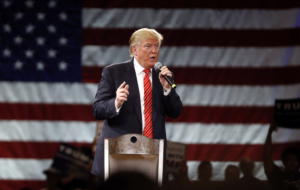
 

Trump to Unveil Economic Plan Amid Union Criticism

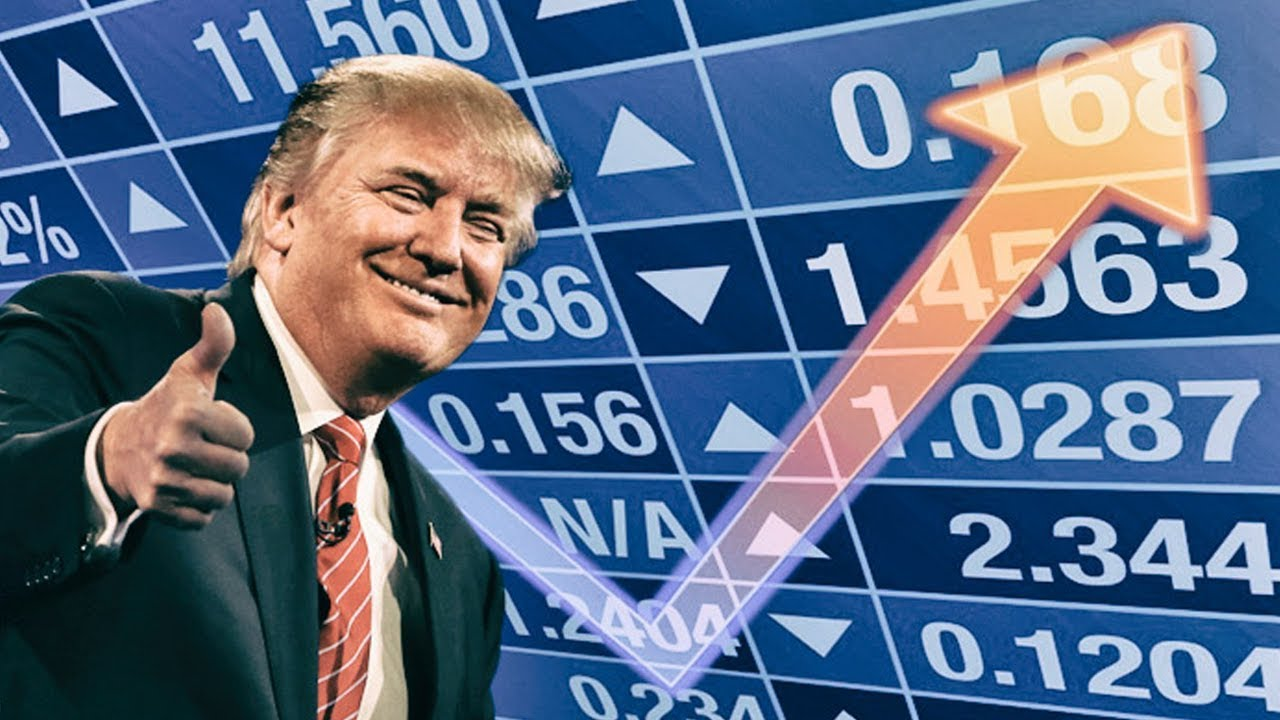
Former President Donald Trump is scheduled to unveil his economic proposals at a rally in Asheville, North Carolina, on Wednesday, where he will also criticize the “hardships created by the Harris-Biden Administration.” This event comes amidst growing scrutiny from union members following Trump’s recent support for firing striking workers, a stance he discussed during a social media exchange with Tesla CEO Elon Musk.

Trump’s comments, which included praise for Musk’s decision to fire workers who strike, have led to backlash from the United Automobile Workers (UAW) union. The UAW has filed Unfair Labor Practices charges with federal labor regulators, accusing Trump of intimidation and opposing workers’ rights. Federal law prohibits firing employees who are on strike, and UAW President Shawn Fain has labeled Trump’s remarks as contrary to union values, accusing him of being a “scab” and against everything the union represents.

In addition to the labor controversy, Trump’s campaign has been facing challenges as Vice President Kamala Harris gains momentum. A new survey from the Cook Political Report indicates that Harris has closed the gap with Trump in several key swing states, including Arizona, Michigan, Pennsylvania, and Wisconsin, with the pair tied in Georgia. This polling shift reflects increased support for Harris following President Joe Biden’s decision to step aside as the Democratic candidate.

Trump’s rally in North Carolina marks a more measured campaign pace compared to his recent schedule. The former president, who has been criticized for his focus on issues beyond policy in recent events, is expected to use this opportunity to regain traction and refocus his campaign message.

Despite the criticism, Trump had previously made some labor-friendly statements, notably praising labor leader Sean O’Brien at last month’s Republican National Convention. However, his recent comments on worker strikes have sparked significant controversy, adding to the challenges facing his campaign as he seeks to reassert his position in the political landscape.


Elon Musk to Interview Donald Trump on X: A New Twist in the U.S. Presidential Election

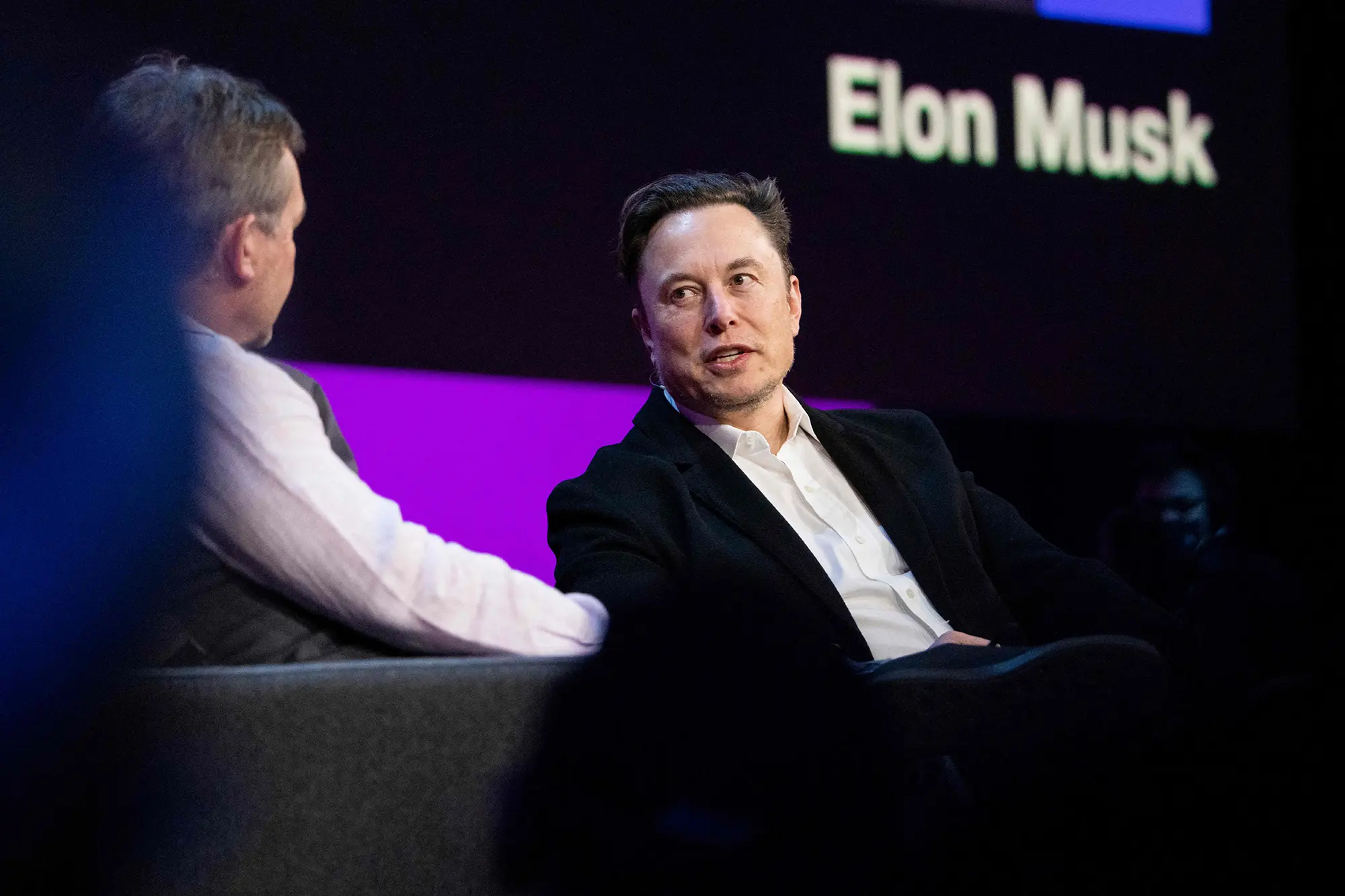
Elon Musk, the billionaire entrepreneur and owner of the social media platform X, is set to interview former President Donald Trump, the Republican candidate for the 2024 U.S. presidential election, in an event scheduled for Monday at 8 p.m. Eastern Time. This high-profile interview, which will be broadcast on X, is expected to draw significant attention as Trump seeks to rejuvenate his campaign amidst declining poll numbers.

The timing of this interview is crucial for Trump, whose campaign has struggled to maintain momentum against his Democratic opponent, Vice President Kamala Harris. Harris has recently closed the gap in the polls and has energized her base with a series of dynamic rallies. For Trump, this interview represents an opportunity to reach a broader audience beyond his usual conservative base, who typically tune in to his appearances on Fox News and attend his rallies. However, X has experienced technical issues in the past during similar high-traffic events, raising concerns about the platform’s ability to handle the anticipated viewership.

Musk’s involvement in the interview adds an intriguing dimension, given his evolving political stance. Although he supported President Joe Biden in the 2020 election, Musk has since shifted rightward and publicly endorsed Trump after an attempted assassination attempt against the former president. Musk, who also leads Tesla, has even established a political action committee to support Trump’s campaign, which is currently under investigation in Michigan for potential violations of voter information laws.

Trump, who has historically been critical of electric vehicles, has notably softened his stance following Musk’s endorsement. At a rally in early August, Trump stated, “I’m for electric cars. I have to be, because Elon endorsed me very strongly. So I have no choice.” This shift highlights the complex and sometimes contradictory alliances forming in the lead-up to the November 2024 election.

The interview will also mark Trump’s return to X, formerly known as Twitter, after his account was reinstated under Musk’s ownership. Trump’s access to the platform was previously suspended following the January 6, 2021, Capitol riot. On Monday morning, Trump posted on X for the first time in a year, sharing an advertisement that emphasized his belief that the criminal charges he faces are politically motivated.

Musk’s stewardship of X has been marked by controversy, particularly regarding content moderation. Since acquiring the platform in 2022, Musk has reduced moderation efforts, leading to a reported increase in hate speech and driving away advertisers. His endorsement of an antisemitic post and subsequent criticism of the Anti-Defamation League has further fueled these controversies.

As the interview approaches, both Trump and Musk are poised to draw considerable attention, not only for the content of their conversation but also for the broader implications it may have on the presidential race and the evolving media landscape.