Yazılar

Trump jokes about AI “taking over the world” as U.S. and U.K. sign tech deal

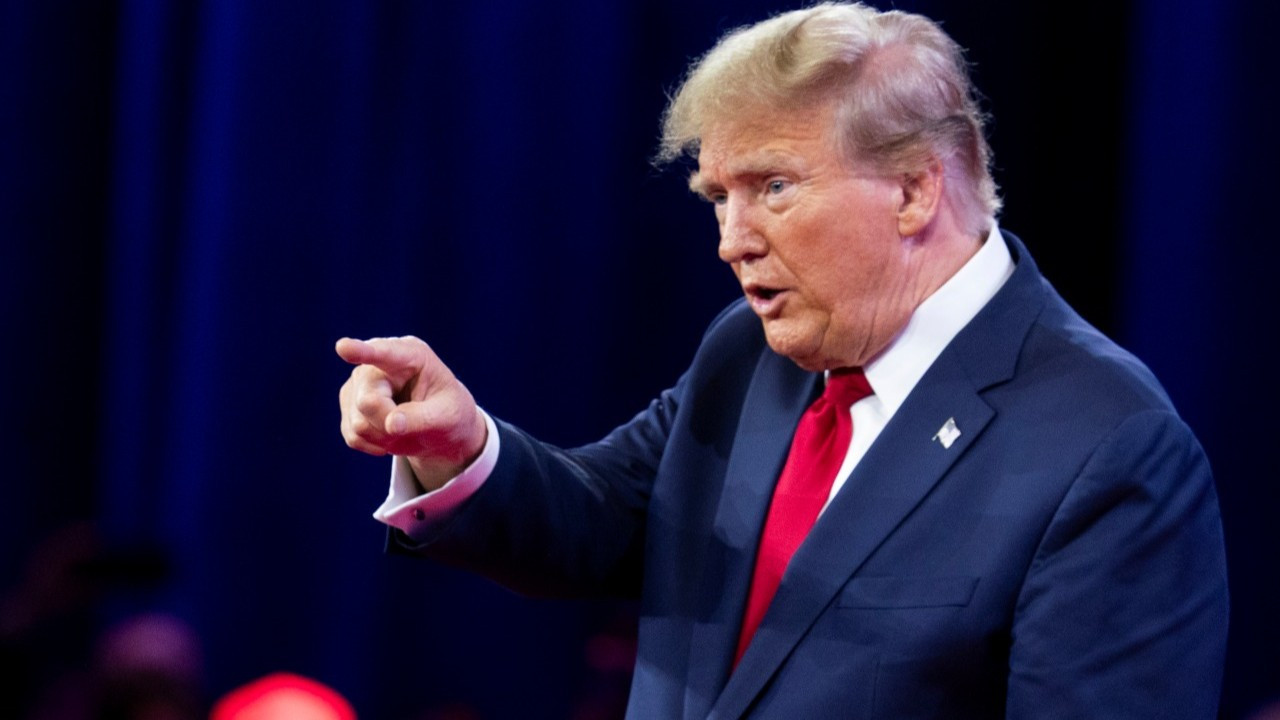
U.S. President Donald Trump, speaking alongside U.K. Prime Minister Keir Starmer in London, quipped that artificial intelligence was “taking over the world” and admitted he hoped tech leaders understood it better than he did. The remarks came during Trump’s second state visit to Britain, at an event attended by Nvidia CEO Jensen Huang and other industry figures.

Departing from prepared remarks on the strength of U.S.-U.K. relations and new tech investments, Trump turned to Huang with a laugh: “Jensen, I don’t know what you’re doing here. I hope you’re right. All I can say is, we both hope you’re right.” His comments drew laughter from Starmer and the audience.

The two leaders signed a “Tech Prosperity Deal”, pledging deeper cooperation on artificial intelligence, quantum computing, and civil nuclear projects. Under the agreement, Nvidia will deploy 120,000 GPUs across Britain, marking its largest European rollout to date.

Trump, characteristically playful, joked with Treasury Secretary Scott Bessent before signing: “Should I sign this? If the deal’s no good, I’m blaming you, Scott.”

The partnership aims to strengthen transatlantic research and industry collaboration while addressing the disruptive potential of AI—a technology Trump acknowledged as both transformative and unsettling.

Nvidia CEO Urges UK to Boost Computing Power to Fully Harness AI Potential

Nvidia’s CEO Jensen Huang said on Monday that the UK currently lacks sufficient computing infrastructure to fully capitalize on its leading artificial intelligence research capabilities. Huang’s remarks coincided with the UK’s partnership with Nvidia to create a new AI testing environment aimed at fostering innovation.

Speaking during London Tech Week alongside Prime Minister Keir Starmer, Huang praised the UK’s top universities, startups, and its status as the world’s third-largest AI venture capital market. He welcomed Starmer’s plan to increase Britain’s domestic computing capacity by 20 times and inject £1 billion ($1.36 billion) in investments.

“The ability to build these AI supercomputers here in the UK will naturally attract more startups and empower the country’s vibrant research ecosystem,” Huang said, calling Britain “an incredible place to invest.”

The UK’s Financial Conduct Authority (FCA) launched a framework to enable financial firms to experiment with AI tools in a controlled environment starting this October. Partnering with Nvidia, the FCA will offer firms access to advanced computing resources, specialized AI expertise, improved datasets, and regulatory guidance.

Finance Minister Rachel Reeves emphasized the government’s commitment to removing regulatory barriers to economic growth, labeling it a “top priority.” Earlier this year, she expressed satisfaction with regulators’ efforts to reduce red tape.

Prime Minister Starmer also announced that Israeli fintech company Liquidity Group will open its European headquarters in London, committing to a £1.5 billion investment, further signaling the UK’s ambition to become a global AI and tech hub.

Bitcoin Breaks $100,000 Barrier Again Amid U.S.-UK Trade Deal Optimism

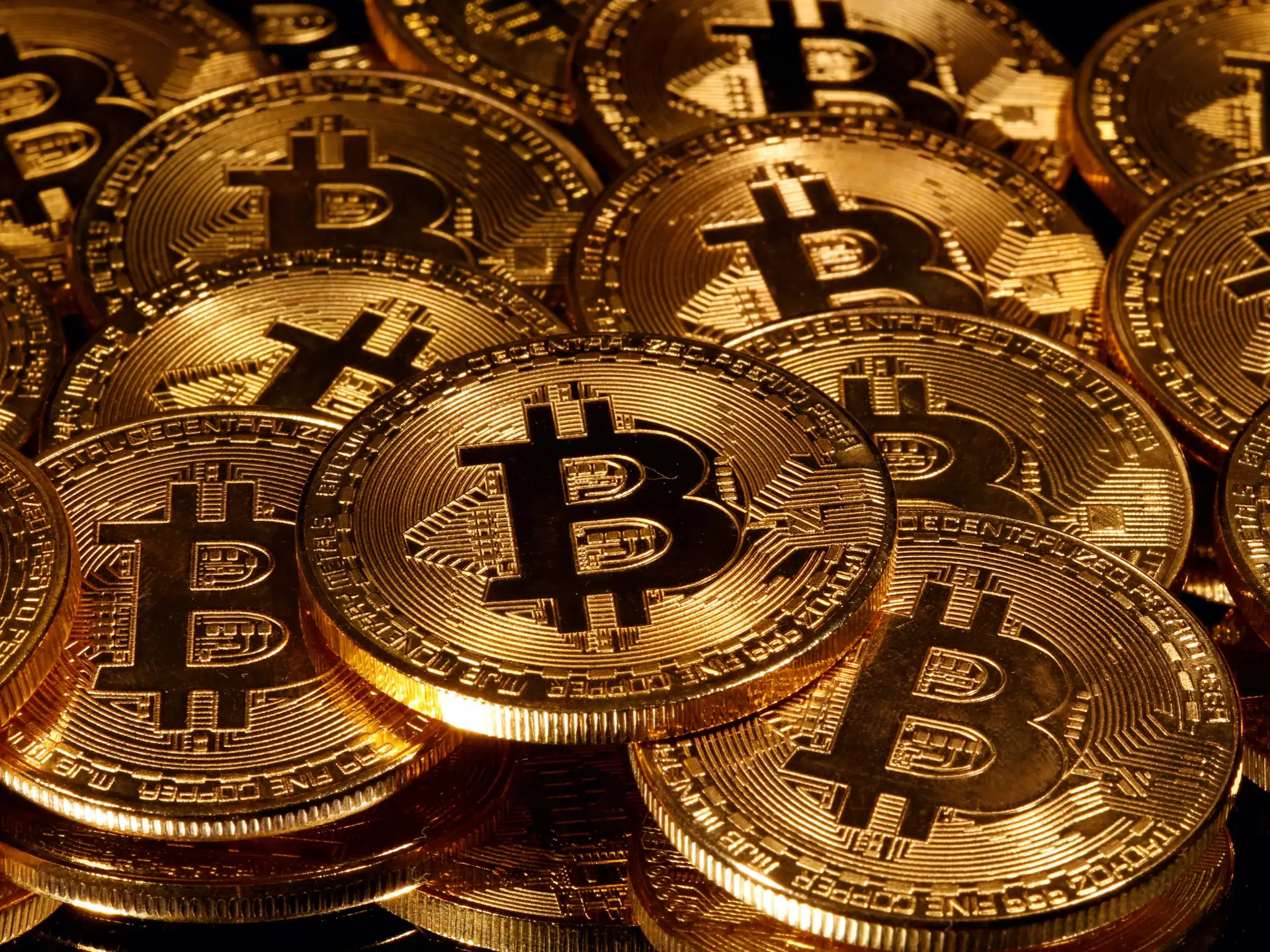
Bitcoin surged past the $100,000 mark on Thursday, regaining ground for the first time since February and reflecting renewed investor confidence following a breakthrough trade deal between the United States and the United Kingdom.

By midday, Bitcoin was trading at $101,329.97, up 4.7% on the day, buoyed by improved global risk sentiment. The crypto asset has now entered positive territory for 2025, although it still trails its January all-time high of over $109,000.

The rally follows the announcement of a U.S.-UK trade agreement between President Donald Trump and British Prime Minister Keir Starmer. The deal maintains a 10% U.S. tariff on UK imports but includes Britain lowering its tariffs to 1.8% and expanding access to U.S. goods — signaling a potential thaw in the protectionist climate that has defined global trade since Trump’s return to office.

Market Impact and Commentary:

  • Antoni Trenchev, co-founder of Nexo, described the resurgence as a “formidable feat” and emphasized that long-term holders drove the rebound, overpowering short-term profit-taking.

  • Buying peak fear — just last month Bitcoin was languishing around $74,000 — has proven exceptionally lucrative,” Trenchev added.

  • Joel Kruger of LMAX Group pointed to rising institutional interest, geopolitical stability, and Chinese monetary stimulus as key tailwinds behind the rally.

Other Cryptos Lag Behind:
Ethereum’s native token Ether climbed 14% to $2,050.46, reaching a one-month high, but it remains nearly 50% below its 2024 peak. Other altcoins have yet to mirror Bitcoin’s bullish momentum.

Bitcoin’s trajectory was weighed down earlier this year by uncertainty around the pace of pro-crypto reform under Trump’s new administration. April’s widespread tariff announcements spurred a flight to safety, leading to a temporary slump in risk assets, including crypto.

Now, with geopolitical risk easing and renewed appetite from long-term investors and institutional funds — particularly through Bitcoin ETFs — market sentiment appears to have decisively shifted back in favor of crypto’s largest token.

With the $100,000 psychological level reclaimed, traders are eyeing $109,000 and beyond as the next major milestone.