Yazılar

Starbucks Workers Vote to Authorize Strike Amid Last Bargaining Session of the Year

Starbucks Workers United announced on Tuesday that 98% of union baristas have voted to authorize a strike as they push for a contract with the coffee giant. The vote marks a significant escalation in the ongoing negotiations between the union and Starbucks, which have been fraught with disputes over labor conditions.

Final Bargaining Session of 2024

Bargaining delegates are scheduled to return to negotiations with Starbucks on Tuesday for the last scheduled bargaining session of the year. Both sides are aiming to agree on a “foundational framework” that will set the stage for future discussions. Despite spending hundreds of hours at the bargaining table throughout 2024, the union says that there is still no comprehensive package addressing key issues such as barista pay and benefits.

Unresolved Issues

While both Starbucks and the union have put forward numerous tentative agreements, the union emphasized that hundreds of unfair labor practice cases remain unresolved. The strike authorization vote underscores the growing tensions between the two sides. Relations had briefly improved in late February when both parties agreed to a “constructive path forward” through mediation, but the recent strike vote signals a return to a more adversarial stance.

Starbucks’ Response

Starbucks CEO Brian Niccol, who took the reins of the company in September, has committed to bargaining in good faith. Niccol announced on Monday that the company would double its paid parental leave starting in March. However, baristas are reportedly set to receive a smaller annual pay hike next year due to a sales slump at U.S. locations.

The Union Movement

Since the first union elections in Buffalo three years ago, more than 500 Starbucks cafes have voted to unionize under Workers United. The company’s resistance to the unionization effort has drawn criticism from some lawmakers and consumers, further intensifying the national debate over labor rights and corporate practices.


Delivery Drivers in China Face Mounting Pressure Amid Economic Slowdown

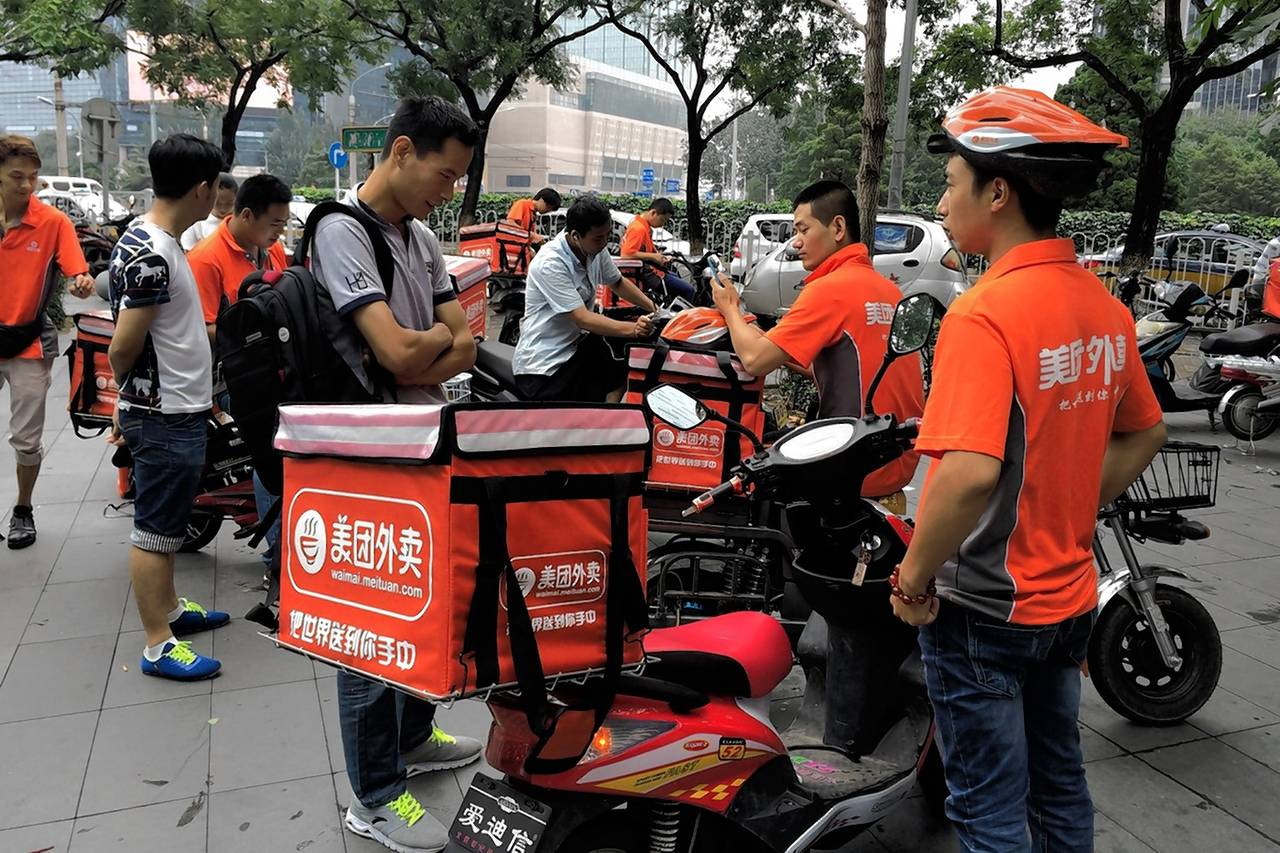
China’s booming food delivery industry is showing signs of strain as the nation’s economic slowdown weighs heavily on the workers who drive its growth. Tensions are rising among delivery drivers, who are under immense pressure due to tight deadlines, shrinking wages, and a harsh work environment.

Recent viral videos show drivers reaching breaking points. In one clip, a rider smashes his phone after receiving a negative customer review. In another, a driver pleads with a police officer after running a red light, then pushes over his bike and runs away in frustration. In yet another, a group of drivers protests outside an apartment complex after one of their colleagues was allegedly mistreated by security guards. These incidents reflect the mounting stress faced by workers in China’s food delivery sector, which has become the largest in the world by both revenue and volume.

During the COVID-19 pandemic, the industry more than doubled in size, reaching $214 billion in 2023. However, the surge in demand that once provided steady income for drivers has now given way to an increasingly competitive and unstable environment. With China’s economy facing multiple challenges, such as a real estate crisis and declining consumer spending, delivery workers are feeling the squeeze.

In a sluggish economy, consumers are cutting back on spending, including takeout orders, which directly impacts the earnings of delivery drivers who rely on commission-based pay. Jenny Chan, an associate professor of sociology at Polytechnic University of Hong Kong, points out that drivers now work longer hours to maintain their earnings. Lower-priced orders mean lower commissions, and with fewer tips coming in, workers must push themselves harder to make ends meet.

China’s food delivery market is dominated by two giants—Meituan and Ele.me—which together control much of the industry. Their dominance gives them the power to set the terms of employment for drivers, often leaving workers with little room to negotiate better conditions. Labor rights advocates have raised concerns about deteriorating working conditions, noting that drivers are frequently penalized for minor infractions, even when they are not at fault.

With around 12 million drivers forming the backbone of China’s food delivery network, the industry remains essential, but the challenges it presents are mounting. Many drivers work in hazardous conditions, rushing to meet deadlines even in dangerous weather, and facing increased risks of accidents. The intense competition and lack of labor protections leave workers vulnerable, as many are treated as freelancers without job security or steady income.

Despite the industry’s growth, workers’ pay has declined. Last year, the average monthly income for delivery drivers was 6,803 yuan ($956), nearly 1,000 yuan less than five years ago. For many drivers, like 20-year-old Lu Sihang, this means working grueling 10-hour shifts just to earn enough to survive. With youth unemployment in China hitting record highs, more people are entering the delivery workforce, further intensifying competition for orders.

This competitive environment, combined with shrinking paychecks, has created a volatile situation. Delivery platforms have reduced bonuses and pay for workers, while restaurants, facing their own financial challenges, are offering cheaper delivery deals to attract customers. As profits soar for companies like Meituan and Ele.me, drivers are left bearing the brunt of cost-cutting measures.

Gary Ng, an economist at Natixis, explains that as China’s economy slows, consumer spending on delivery orders is decreasing, forcing restaurants to lower prices. This reduction in spending, coupled with the vast number of drivers vying for a limited number of orders, has significantly weakened workers’ bargaining power.

While some drivers, like 35-year-old Yang, appreciate the flexibility the job offers, many acknowledge that conditions are far from ideal. For many, the choice is simple: work longer hours or face financial hardship. In an industry that once offered a path to stable income, the future for China’s delivery drivers now seems increasingly uncertain.


Exploitation of Migrant Workers Behind the ‘Made in Italy’ Luxury Label

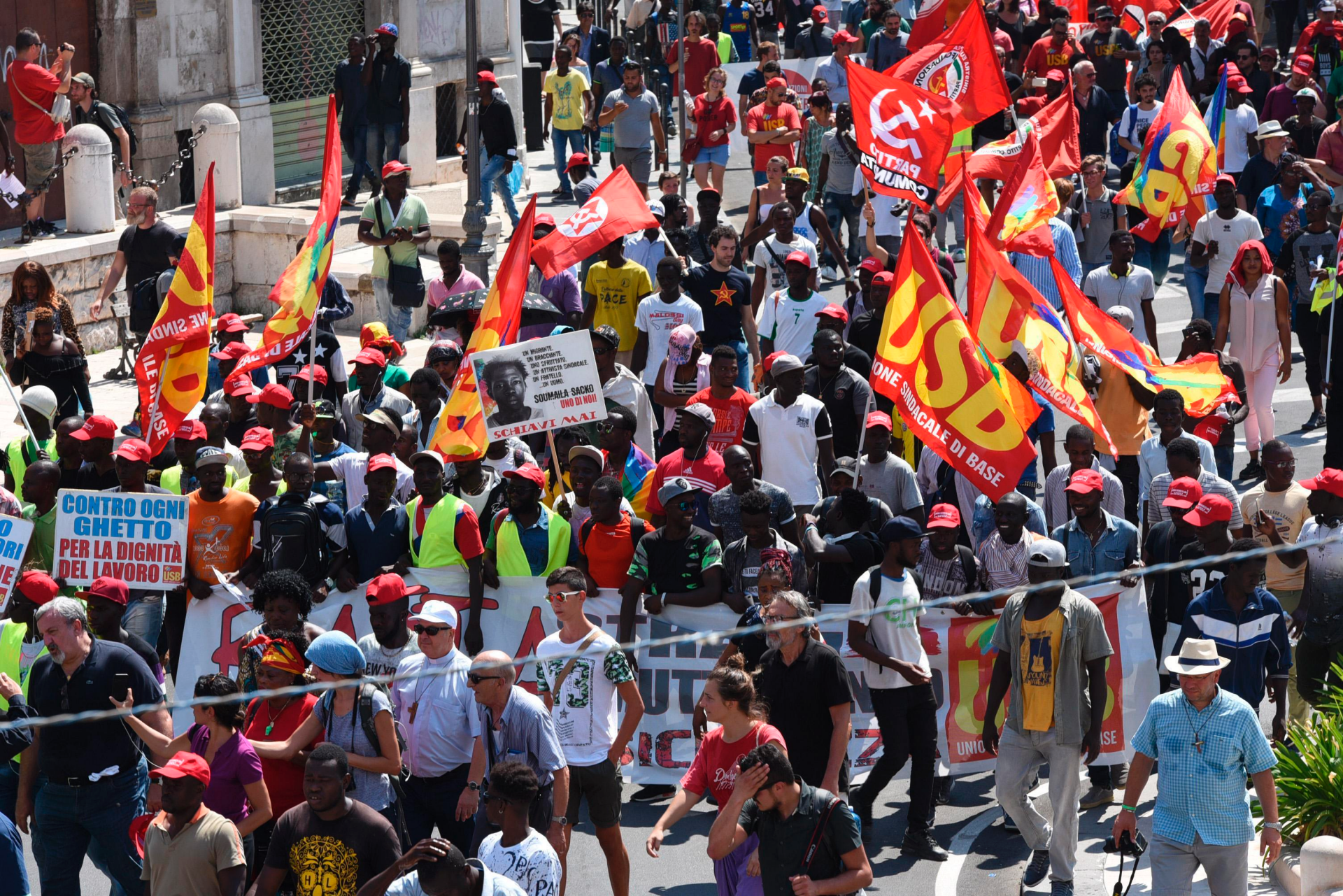
Migrant workers in Italy, primarily in the country’s famed luxury leather and fashion industries, have been subjected to sweatshop-like conditions while crafting high-end products. Recent protests, including a demonstration in Geneva by migrant laborers and union officials, highlighted these abuses, specifically targeting Montblanc, whose parent company Richemont allegedly cut ties with a Tuscany-based supplier, Z Production, due to improved worker conditions and rising costs.

Z Production, employing mostly undocumented migrant workers from countries like Pakistan, China, and Bangladesh, had been producing leather accessories for luxury brands, including Montblanc. Workers reported long shifts and harsh conditions, with one employee, Zain Ali, stating that they were treated “like slaves.” While Montblanc justified the termination of its contract with Z Production due to failure to meet its supplier standards, workers and unions contend that the decision was influenced by the contractor’s move to implement legal working hours and conditions.

This issue is not isolated. Investigations this year exposed poor labor practices in 16 workshops near Milan, producing for luxury brands such as Dior, Giorgio Armani, and Alviero Martini. Prosecutors found instances of undocumented labor, illegal subcontracting, and exploitation in these workshops, which functioned as part of an opaque supply chain designed to maximize profit at the expense of labor rights.

Migrant workers in Tuscany, a key leather-making region, described similar conditions. Abbas, a Pakistani migrant, recounted standing for 14 hours straight, suffering from severe pain, and receiving minimal pay for his work in a leather accessory factory. Workers, employed without contracts, often toiled for long hours without the necessary skills, contributing to products for major luxury brands.

Court documents reveal that luxury brands outsource production to contractors, who in turn subcontract the actual work to other workshops. This setup allows brands to maintain distance from labor violations, despite the prevalence of illegal practices within these subcontracted workshops. The Milan court has placed several of these companies, including Giorgio Armani Operations and Manufactures Dior, under judicial administration for a year to address labor violations.

Despite public commitments by brands like Dior and Armani to strengthen their supply chain oversight, industry experts warn that the sheer size of the luxury supply chain, involving thousands of suppliers and subcontractors, makes comprehensive monitoring nearly impossible. The pressure to keep production costs low, while maintaining high profit margins, incentivizes exploitative practices.

While raids and inspections by Italian authorities have forced some contractors to improve conditions, others have shifted production to less scrutinized areas of the country, such as Veneto and Campania, to avoid enforcement actions. The exploitation of workers, underpayment, and unsafe working conditions remain widespread, tarnishing the reputation of the ‘Made in Italy’ label and exposing the luxury sector’s reliance on cheap labor.