Yazılar

US and Allies Call for 21-Day Ceasefire Along Israel-Lebanon Border After UN Talks

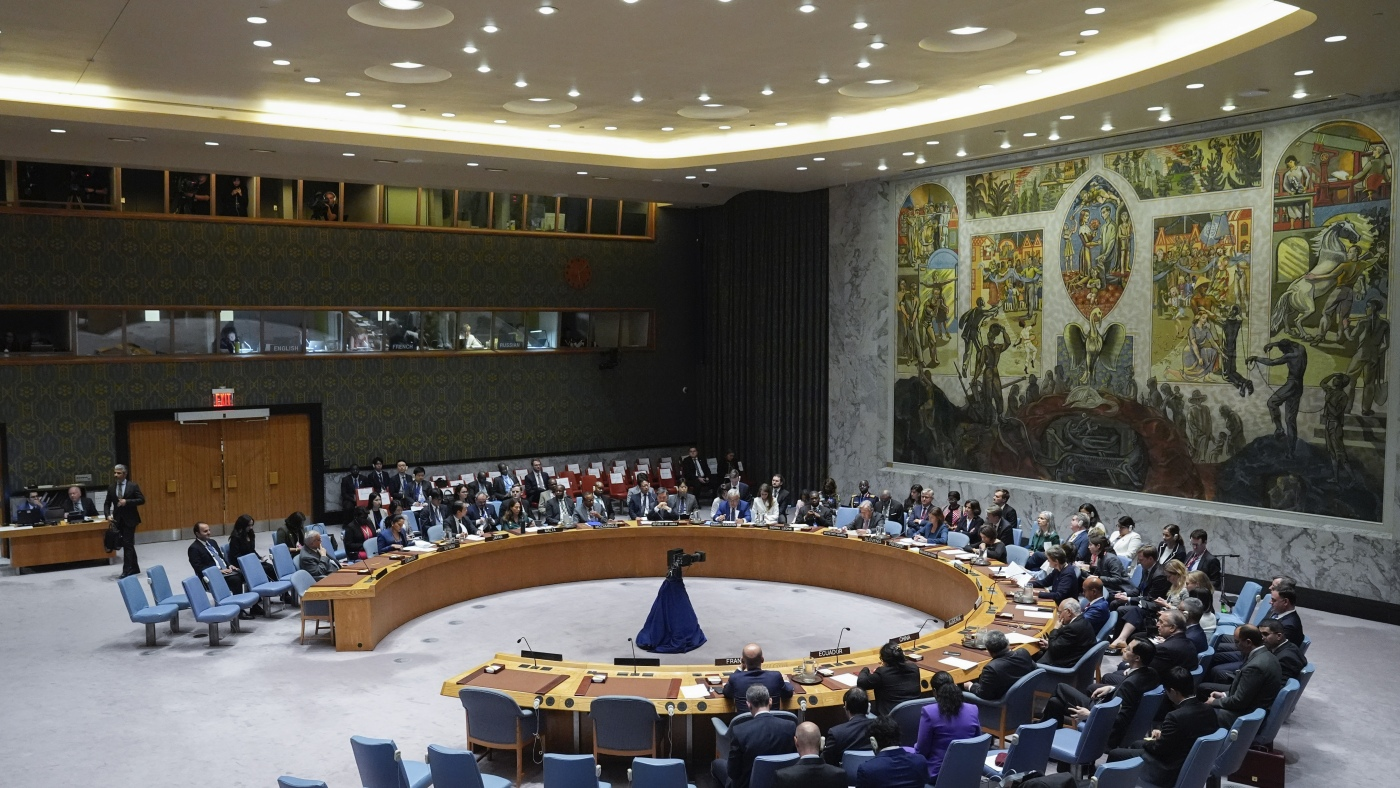
The United States, France, and other allies have called for a 21-day ceasefire along the Israel-Lebanon border following intense discussions at the United Nations on Wednesday. The ceasefire would apply to the “Blue Line,” the boundary between Israel and Lebanon, and aims to open the door for potential diplomatic resolutions, according to a senior Biden administration official.

In a joint statement, signed by countries including Australia, the UAE, Saudi Arabia, and the European Union, the allies urged both Israel and Lebanon to endorse the ceasefire. The situation on the Israel-Lebanon border has grown increasingly volatile, with Israel expanding its airstrikes, resulting in at least 72 fatalities and over 220 wounded, according to Lebanese health ministry reports. A potential ground assault has raised concerns that the conflict could escalate into a broader regional war.

Efforts to reduce hostilities have been ongoing, with Washington engaging both Israel and Lebanon in diplomatic talks. President Biden, along with his allies, views the ceasefire as a crucial step toward broader peace efforts. The U.S. has been focused on this issue in discussions with world leaders at the UN General Assembly this week.

Israel’s Ambassador to the UN, Danny Danon, welcomed the idea of a ceasefire, though he emphasized that any peace must address the root causes of violence, including Iran’s influence in the region. Iran’s Foreign Minister, Abbas Araqchi, voiced support for Hezbollah and warned that Iran would not stand by if the conflict escalates further in Lebanon.

Lebanese Prime Minister Najib Mikati also welcomed the ceasefire call but expressed concern over whether Israel would comply with international resolutions.

The conflict has pressured the Biden administration, particularly with U.S. elections approaching. Tensions have mounted following an Israeli airstrike that targeted Hezbollah leadership in Lebanon, with the conflict in Gaza further complicating the situation.
Israel Intensifies Strikes on Lebanon as US and UK Call for Restraint Amid Growing Conflict

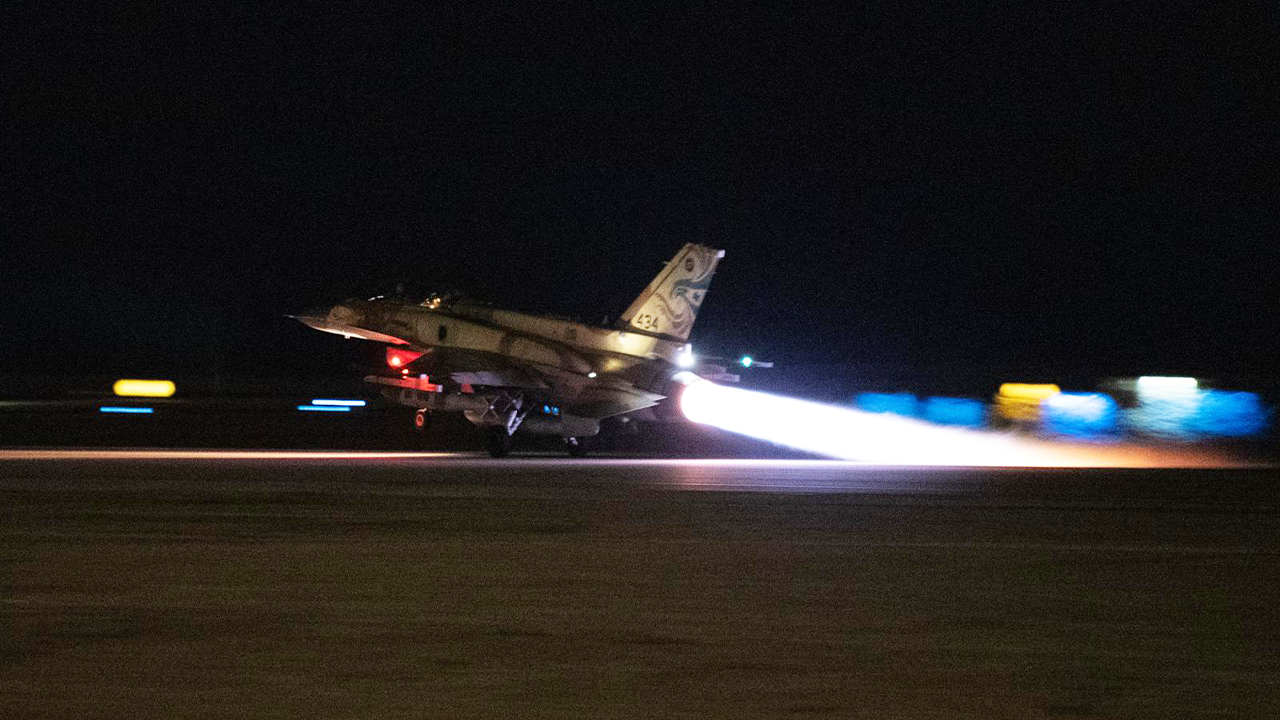
On Thursday night, Israel launched its heaviest airstrikes on southern Lebanon in nearly a year, marking an escalation in its ongoing conflict with Hezbollah. The attacks came as calls for restraint poured in from the United States and the United Kingdom, both urging an immediate ceasefire. White House spokesperson Karine Jean-Pierre expressed concerns over potential further escalation, emphasizing the need for a diplomatic solution. Similarly, the UK called for urgent action to de-escalate the situation.

The strikes were a response to earlier attacks in Lebanon that left 37 dead and over 3,000 wounded, many of whom Hezbollah blames on Israel. Thursday’s operation, which lasted more than two hours, saw Israeli jets target rocket launchers in southern Lebanon that were poised to strike Israel. The Israeli military confirmed hitting over 100 rocket launchers, and Lebanon’s state news agency NNA reported more than 52 strikes, making it one of the most intense bombardments since the conflict began.

Hezbollah’s leader, Hassan Nasrallah, condemned the attacks, accusing Israel of committing war crimes, and warned that further provocations could lead to all-out war. While Israel has not officially commented on the earlier pager explosions, many believe the Mossad was responsible. The Lebanese government, meanwhile, has urged the United Nations Security Council to take a firm stand against Israel’s aggression, accusing the country of using technological warfare to destabilize Lebanon.

Amid the escalating tensions, Israeli Defense Minister Yoav Gallant vowed to continue military operations against Hezbollah, warning that the group would pay an “increasing price” as the conflict progresses. Meanwhile, two Israeli soldiers were killed in combat in northern Israel, adding to the already mounting casualties on both sides of the border.

Though Hezbollah and Israel have been exchanging fire since the October 7 Hamas attack on Israel, neither side has allowed the situation to escalate into full-scale war. However, with Hezbollah now vowing a “crushing response” and Iran’s Revolutionary Guard pledging its support, the possibility of broader regional conflict looms large.

As Israel continues its strikes, U.S. Secretary of State Antony Blinken called for restraint in a speech in Paris, cautioning all parties against actions that could hinder progress toward a Gaza ceasefire. Despite the calls for peace, the situation remains fragile, and the prospect of a wider war seems increasingly likely.