Yazılar

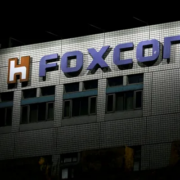
Foxconn Launches New LEO Satellites With SpaceX

Taiwanese electronics giant Foxconn has launched its second-generation low-Earth orbit satellites, PEARL-1A and PEARL-1B, aboard a SpaceX Falcon 9 rocket from California. The mission marks another major step in Foxconn’s growing expansion beyond electronics manufacturing into space technology.

According to the company, both satellites successfully entered their planned orbits and are expected to carry out operational missions for five years. Their primary role is to test and validate payload technologies focused on communications systems and space science applications.

This launch highlights Foxconn’s broader diversification strategy as it moves into advanced technology sectors beyond consumer electronics and semiconductor manufacturing. By investing in LEO satellite systems, Foxconn joins a rapidly expanding global race in satellite communications, an area increasingly dominated by both commercial and national players.

The PEARL-1A and PEARL-1B mission is particularly important because it positions Foxconn as a more serious contender in aerospace-adjacent innovation, potentially opening future opportunities in satellite infrastructure, communication networks, and scientific research.

As demand for satellite-based communication and data systems continues to rise, Foxconn’s latest move signals that major electronics manufacturers are seeking a role in the evolving commercial space economy.

Starlink’s Potential India Approval Could Open Doors to Emerging Markets

Starlink, the satellite broadband service owned by SpaceX, is on the cusp of gaining regulatory approval in India, a development that could unlock growth in emerging markets and significantly contribute to the company’s ambitious target of adding one million subscribers annually. While the service still faces legal challenges and competition from other players like Eutelsat and China’s SpaceSail, a foothold in India could offer a $25 billion opportunity for Starlink and reshape the satellite broadband landscape in the country.

India’s potential approval is considered crucial for Starlink, as analysts highlight the market’s vast untapped potential. Independent satcom specialist Davis Mathew Kuriakose stated, “India is not only a credibility boost but also a crucial test of its economic feasibility in emerging markets.” The company’s journey to operate in India has been delayed since 2022 due to spectrum allocation issues, but recent agreements between Starlink, Mukesh Ambani’s Reliance Jio, and Sunil Mittal’s Bharti Airtel signal progress. This move indicates that regulatory hurdles may soon be cleared.

SpaceX’s satellite internet service has faced an ongoing regulatory standoff with India over whether to auction satellite broadband spectrum or allocate it administratively. In October, India opted to allocate bandwidth to new entrants like Starlink, a decision that paves the way for the company’s potential entry into the market. Additionally, the low Earth orbit (LEO) subscription market is projected to see dramatic price reductions, with monthly fees expected to drop from $148 in 2023 to around $16 by 2035.

Experts predict that India will play a pivotal role in Starlink’s subscriber growth, contributing significantly to its global expansion. With its competitive pricing strategy, Starlink could offer broadband plans starting at $15 per month, challenging India’s current market where basic plans start at $12. Starlink’s brand value, combined with its premium services, could appeal to India’s aspirational market, according to Vivek Prasad, principal analyst at Analysys Mason.

Industry insiders believe Starlink’s entry into India will provide the company with a key opportunity to influence the country’s satellite internet market, which has the potential to serve 700 million customers. If approved, Starlink would have a significant seat at the table, shaping the future of India’s broadband landscape.