
Yazılar

Scale AI Eyes $25 Billion Valuation in Potential Tender Offer Amid AI Boom

Scale AI, a rapidly growing artificial intelligence startup, is seeking a valuation as high as $25 billion in a potential tender offer, according to a report from Business Insider. The company, which has seen rising demand for AI services, aims to leverage the current AI boom, which has attracted significant attention from major tech players.

The startup, based in California, is in discussions regarding the terms of the tender offer, which could involve investors or the company purchasing shares from existing shareholders. However, the final valuation may change depending on negotiations.

Founded in 2016, Scale AI is already valued at nearly $14 billion, as per its last funding round. The company counts tech giants such as Nvidia, Amazon, and Meta among its backers. Scale AI specializes in providing high-quality, accurately labeled data essential for training machine learning models, including advanced tools like OpenAI’s ChatGPT.

Despite its success, the company is currently under investigation by the U.S. Department of Labor regarding compliance with the Fair Labor Standards Act, adding a layer of regulatory scrutiny.
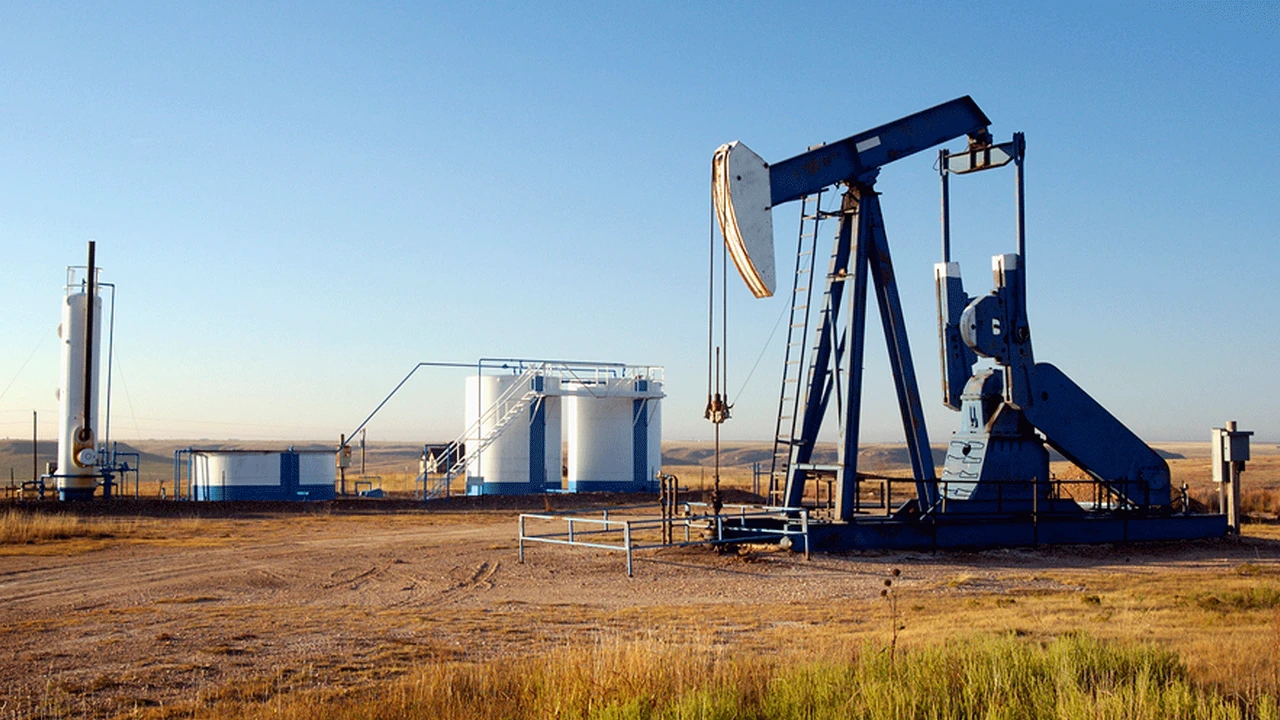
AI Revolutionizing Oil and Gas Industry, Boosting Efficiency and Reducing Costs

Artificial intelligence (AI) is transforming the oil and gas industry, speeding up drilling processes, reducing costs, and enabling companies to explore previously unfeasible sites, executives highlighted at the CERAWeek conference in Houston. As oil prices continue to fluctuate and global demand faces potential challenges, including U.S. President Donald Trump’s tariffs, oil producers are turning to AI to remain competitive.

Leading oil companies are increasingly deploying AI to optimize their operations. BP, for example, is using AI to steer drill bits and predict potential problems in wells, allowing them to drill more efficiently and improve capital allocation. Ann Davies, BP’s Senior Vice President of Wells, noted that AI has enabled the company to increase the number of wells drilled per year.

Devon Energy is also leveraging AI to drill in areas previously deemed unfeasible. Trey Lowe, Devon’s Chief Technology Officer, explained that AI helps the company gather critical data about geological faults, allowing them to drill on the other side to avoid complications.

Chevron has implemented AI-powered drones to monitor shale operations in Texas and Colorado. These drones help detect potential issues such as emissions leaks and alert field workers in real time. After using drones for three months in partnership with Percepto, Chevron reported a reduction in production downtime for repairs, which contributes to more efficient oil and gas production.

Additionally, Devon Energy has applied machine learning models to monitor oil rigs across the U.S., resulting in a 25% improvement in the productive life of its oil and gas wells. BP is also using AI to expedite offshore drilling, analyzing seismic data in the Gulf of Mexico in weeks instead of months, enabling quicker decision-making on where to drill.

AI’s ability to analyze large data sets quickly is revolutionizing the sector, according to Chicheng Xu, founder of OpenPetro AI. AI can create three-dimensional visualizations of underwater features in record time, offering insights that would otherwise take humans much longer to achieve.

These AI advancements not only improve operational efficiency but also give companies a competitive edge. As Trey Lowe of Devon Energy emphasized, companies that fail to adopt AI risk falling behind in the industry.

Snap Beats Profit Estimates on Advertising Platform Strength

Snap Inc. (SNAP) exceeded Wall Street’s quarterly profit expectations on Tuesday, benefiting from significant improvements to its advertising platform. This growth helped boost its shares by 6% in after-hours trading. Amid growing uncertainty about a potential ban of TikTok in the U.S., analysts believe Snap could capitalize on the situation.

CEO Evan Spiegel stated that the uncertainty surrounding TikTok has been beneficial to Snap, as advertisers are focused on diversifying their ad spend and contingency planning. Snap is also considering increasing the price of its Snapchat+ subscription service to further raise its average revenue per user. The company reported a significant jump in Snapchat+ subscribers, which doubled to 14 million in the fourth quarter.

Snap has been heavily investing in artificial intelligence and machine learning tools to create more personalized ads. A notable shift in its strategy has been an emphasis on direct response ads, designed to prompt specific actions like app downloads or website visits, particularly as brand awareness ads show signs of weakness. These efforts have allowed Snap to tap into small- and mid-sized businesses, which have become the largest contributors to the company’s advertising revenue growth in 2024.

The company is also planning to expand its advertising formats, such as Sponsored Snaps (video ads in users’ inboxes) and Promoted Places (business location highlights on Snap Map), into additional markets.

“Snap’s diligent work on its ad platform and diversifying its revenue streams through subscriptions have paid off,” said Jasmine Enberg, principal analyst at eMarketer.

Snap reported adjusted earnings per share of 16 cents for the fourth quarter, surpassing analysts’ average estimate of 14 cents. The company also saw a 9% increase in daily active users, reaching 453 million, slightly surpassing the expected 450.8 million. For the first quarter of 2024, Snap forecasts revenue between $1.33 billion and $1.36 billion, with adjusted EBITDA expected to range between $40 million and $75 million, which is slightly below analyst expectations of $78.1 million.

Quarterly revenue rose 14% to $1.56 billion, marginally surpassing the average forecast of $1.55 billion.