
Microsoft Launches Magnetic-UI, an Open-Source Agentic Web Interface for Performing Online Tasks
Microsoft Unveils Magentic-UI, an Open-Source Agentic Web Interface for Task Automation
Microsoft introduced a new agentic web interface called Magentic-UI during its Build 2025 conference on Monday. This innovative tool is designed as a “human-centred web agent” that collaborates closely with users to accomplish complex tasks online. Unlike typical autonomous agents, Magentic-UI provides full transparency by displaying the actions it takes in a dedicated side panel, allowing users to track progress in real time. As part of Microsoft’s commitment to openness, the tool is available as open-source software on GitHub and hosted on the Azure AI Foundry Labs platform.
Magentic-UI represents Microsoft’s first foray into a computer-use agent capable of navigating the web and performing intricate activities. In a detailed blog post, the company explained that the system functions as a network of specialized AI agents working together—similar in concept to OpenAI’s Operator or Anthropic’s Computer Use agents. These agents operate within a virtual machine environment, enabling them to browse websites, interact with web apps, and execute tasks such as booking restaurant reservations or making online purchases.
A standout feature of Magentic-UI is its “human-centric” design philosophy. Users can intervene at any time to adjust the AI’s plan, pause its actions, provide natural language feedback, or even take manual control of the web browser. Before executing any irreversible actions—like placing orders or adding items to a shopping cart—the system prompts the user for explicit approval, offering the option to modify commands. Additionally, the AI can learn from past interactions, using that knowledge to improve the efficiency and accuracy of future tasks.
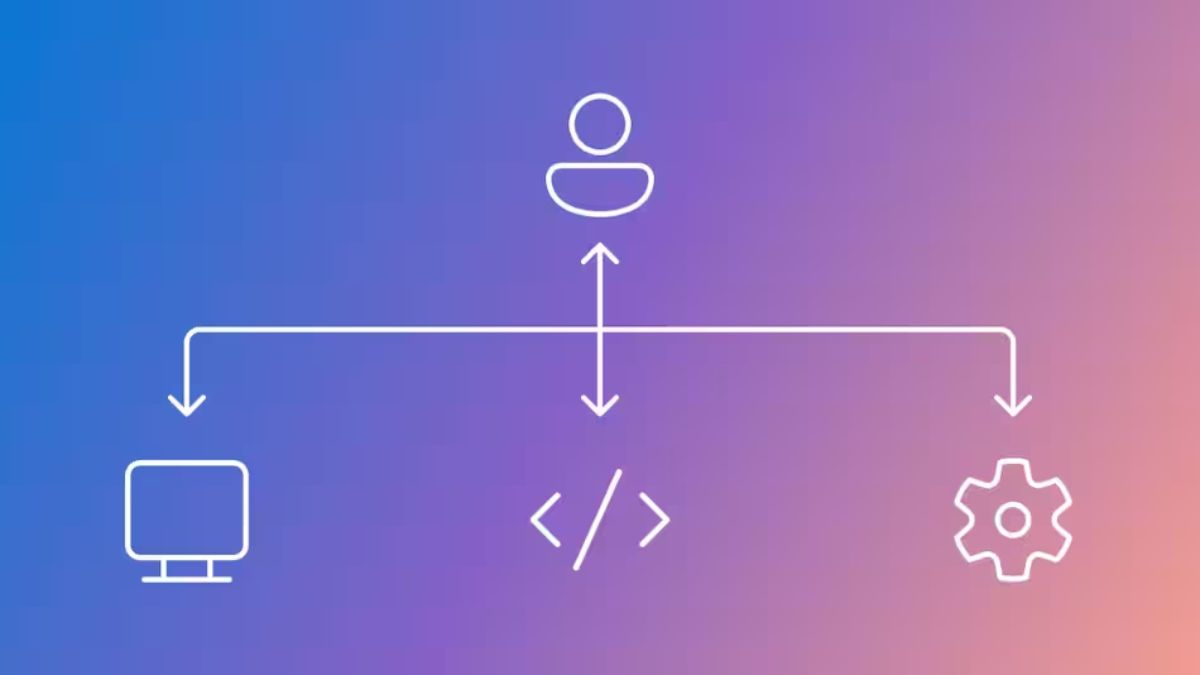
Under the hood, Magentic-UI is powered by Microsoft’s Magentic-One agentic system, which orchestrates the collaboration of four distinct AI agents. The lead Orchestrator agent coordinates the overall task planning and communicates directly with the user to incorporate feedback. The WebSurfer agent controls a web browser, enabling it to perform clicks, typing, scrolling, and multi-step navigation required to complete assigned tasks. Together, these agents form a powerful, transparent, and adaptive tool designed to revolutionize how users interact with web-based environments.