Yazılar

Apple Halts Vision Pro Overhaul to Focus on AI-Powered Smart Glasses

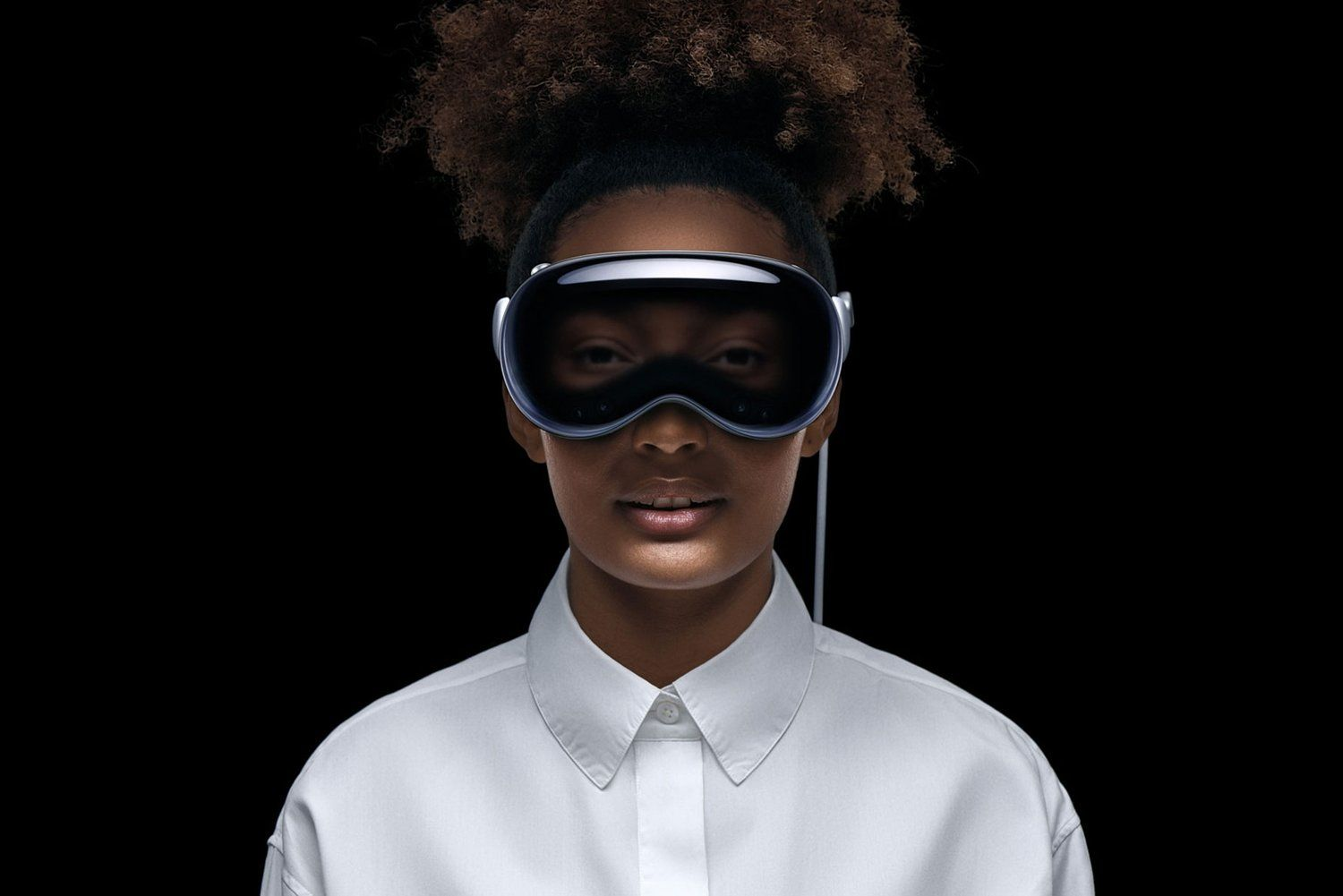
Apple has paused development of its next-generation Vision Pro headset to redirect resources toward the creation of artificial intelligence-powered smart glasses, according to a report by Bloomberg News citing people familiar with the matter.

The company had been working on a cheaper and lighter version of its $3,499 Vision Pro — code-named N100 — with a tentative release window in 2027. However, Apple reportedly told employees last week that development teams will now shift their focus to an AI glasses project, accelerating its timeline to compete directly with Meta Platforms’ smart eyewear.

The decision reflects Apple’s changing strategy in the face of slowing Vision Pro sales. The mixed-reality headset, launched in February 2024, received strong initial attention but quickly lost momentum amid limited mainstream content and competition from more affordable alternatives like Meta’s Quest series.

TWO NEW GLASSES MODELS IN DEVELOPMENT

Apple is said to be working on two distinct smart glasses models:

  • N50, the first version, will connect to an iPhone and will not include a display. Apple aims to unveil this model as early as next year, with a public release planned for 2027.

  • A second, more advanced model — equipped with a built-in display — is now being fast-tracked for release around 2028, according to Bloomberg’s sources.

The advanced model is seen as Apple’s answer to Meta’s Ray-Ban Display glasses, which CEO Mark Zuckerberg showcased in September along with a new Oakley-branded “Vanguard” model designed for athletes.

Apple’s upcoming glasses will reportedly emphasize voice control and AI-driven functions, integrating tightly with iPhone services and Apple’s growing ecosystem of on-device intelligence.

SHIFTING STRATEGY IN THE AI ERA

The move highlights Apple’s broader push to catch up in artificial intelligence, an area where competitors such as Google and Meta have been more aggressive.

At Apple’s September product launch event, the company introduced new iPhones and a slimmer iPhone Air, but industry analysts noted the absence of major AI announcements, raising questions about Apple’s roadmap in the rapidly evolving AI market.

By contrast, Google’s Gemini-powered Pixel phones and Meta’s AI-integrated wearables have taken the spotlight in the consumer AI space.

When contacted by Reuters, Apple declined to comment on the report.

If the timeline holds, Apple’s shift could mark a major strategic pivot from mixed reality to wearable AI, positioning its smart glasses as a potential successor — not just a companion — to the iPhone.

Instagram Reaches 3 Billion Monthly Active Users, Zuckerberg Says

Meta CEO Mark Zuckerberg announced on Wednesday that Instagram has grown to 3 billion monthly active users, cementing its status as one of the world’s most widely used social media platforms.

The last time Meta disclosed Instagram’s user numbers was in 2022, when the app surpassed 2 billion monthly users.

Meta, then known as Facebook, acquired Instagram in 2012 for $1 billion—a deal that was initially met with skepticism since the app was focused mainly on photo sharing and generated little revenue. Since then, Instagram has become a central part of Meta’s business, with analysts estimating it could contribute over half of the company’s U.S. ad revenue this year.

A key driver of Instagram’s rapid growth has been Reels, the short-form video feature launched in 2020, which directly competes with TikTok and YouTube Shorts.

TikTok, owned by China’s ByteDance, reported earlier this month that it has more than 1 billion monthly users worldwide, underscoring the intense competition in the short-video market.

Meta expands Llama AI access to U.S. allies in Europe and Asia

Meta Platforms said Tuesday it will make its Llama artificial intelligence system available to U.S. allies including France, Germany, Italy, Japan, and South Korea, as well as to NATO and European Union institutions. The announcement follows U.S. approval for federal agencies to use Llama earlier this week.

Llama, a large language model capable of processing text, video, images, and audio, will now be deployed more broadly as part of Washington’s effort to strengthen digital cooperation with democratic allies.

Meta said it will work with partners such as Microsoft, Amazon Web Services, Oracle, and Palantir to deliver Llama-based solutions abroad. The company emphasized that its models are released largely free for developers, a strategy CEO Mark Zuckerberg argues will drive innovation, reduce reliance on rivals, and keep engagement strong across Meta’s platforms.

The U.S. General Services Administration confirmed Monday that Llama would be added to its list of approved AI tools for federal use, meeting security and legal standards. By extending access to allies, Meta and Washington aim to align AI infrastructure across friendly nations at a time of intensifying global competition in artificial intelligence.