Yazılar

U.S. Stocks Edge Higher Amid Weekly Declines and Economic Uncertainty

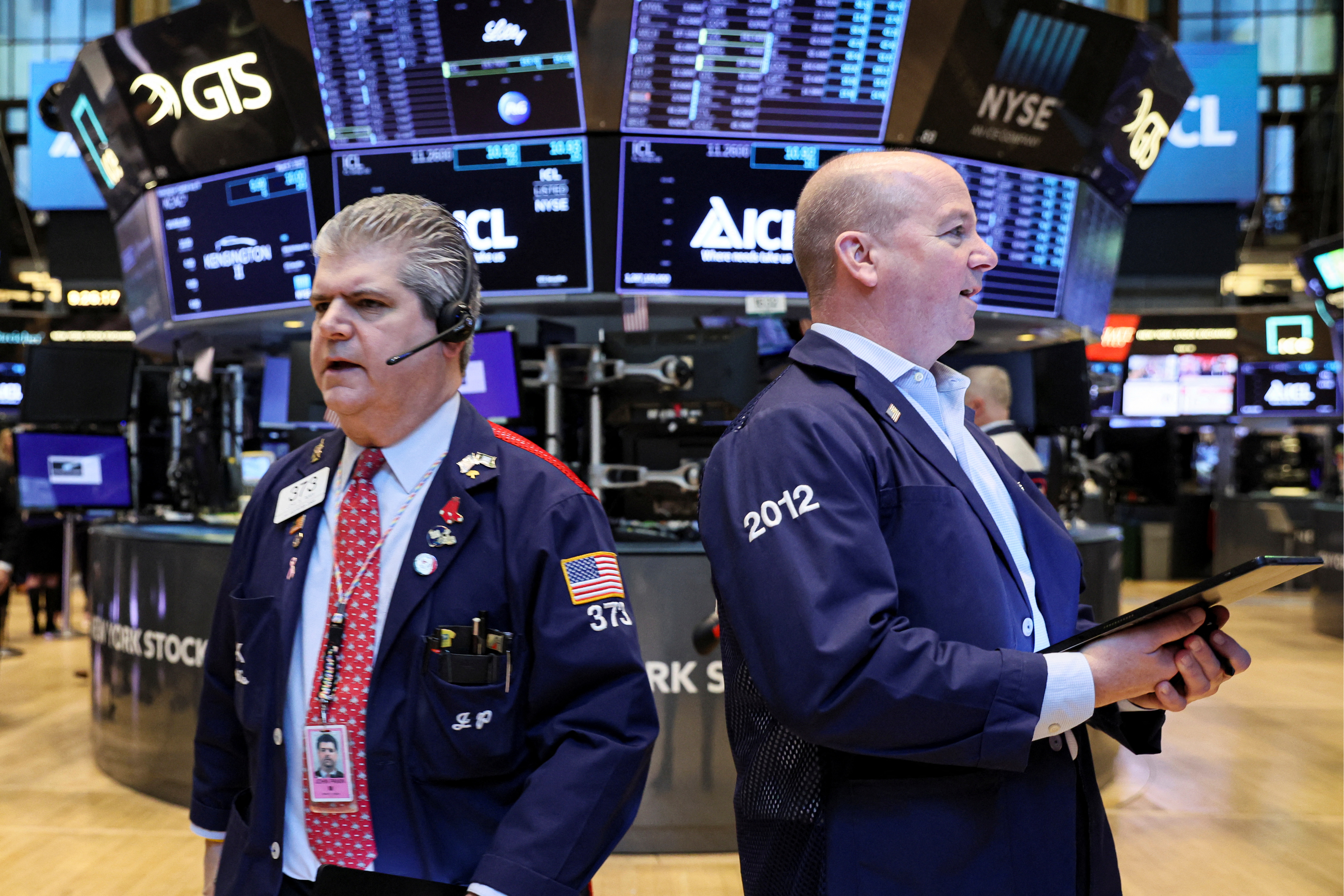
U.S. stocks saw modest gains on Friday, though all three major indexes—the Dow Jones Industrial Average, S&P 500, and Nasdaq—remained on track for small weekly losses. This movement followed a turbulent start to the week, driven by fears of a potential recession and the unwinding of a global yen-funded carry trade. Despite recent rallies, Wall Street was unable to fully recover from Monday’s steep decline.

The technology sector led the day’s gains, yet both the S&P 500 and Nasdaq were poised for a fourth consecutive week of losses. Meanwhile, the Cboe Volatility Index (VIX), often referred to as Wall Street’s “fear gauge,” decreased on Friday after spiking to 65.73 earlier in the week.

Monday’s market drop was largely attributed to last week’s sharp sell-off, which was triggered by a disappointing July jobs report that fueled recession concerns. These worries were exacerbated by the Bank of Japan’s interest rate hike on July 31, which resulted in a significant appreciation of the yen, a currency often used in carry trade investments. This led investors to unwind their positions, contributing to market instability.

Market participants remain on edge as they anticipate further uncertainty in the coming weeks, particularly in the lead-up to the Federal Reserve’s next policy meeting on September 17-18. Current market sentiment, as reflected in the CME Group’s FedWatch Tool, suggests a 55% chance that the Fed will reduce interest rates by 50 basis points, with a 25 basis point cut seen as having a 45% probability.

On the day, the Dow Jones Industrial Average rose by 27.13 points (0.07%) to 39,473.62, the S&P 500 gained 21.67 points (0.41%) to 5,340.98, and the Nasdaq Composite added 72.48 points (0.44%) to close at 16,732.50.

Investors are now looking ahead to next week’s reports on U.S. consumer prices and retail sales for July, which could provide further insights into the likelihood of a soft landing for the U.S. economy. On Thursday, Federal Reserve officials expressed confidence that inflation was cooling sufficiently to justify upcoming interest rate cuts, with the timing and size of these cuts likely to depend on forthcoming economic data.

In individual stock news, Take-Two Interactive Software saw gains as it forecasted growth in net bookings for fiscal years 2026 and 2027, while Expedia advanced after surpassing analysts’ expectations for second-quarter profits.

On the NYSE, advancing issues outnumbered decliners by a 1.22-to-1 ratio, while on the Nasdaq, decliners outpaced advancers with a 1.26-to-1 ratio. The S&P 500 recorded 13 new 52-week highs and 3 new lows, while the Nasdaq registered 48 new highs and 142 new lows.
 

Fed Unlikely to Cut Rates Before September Despite Market Turmoil

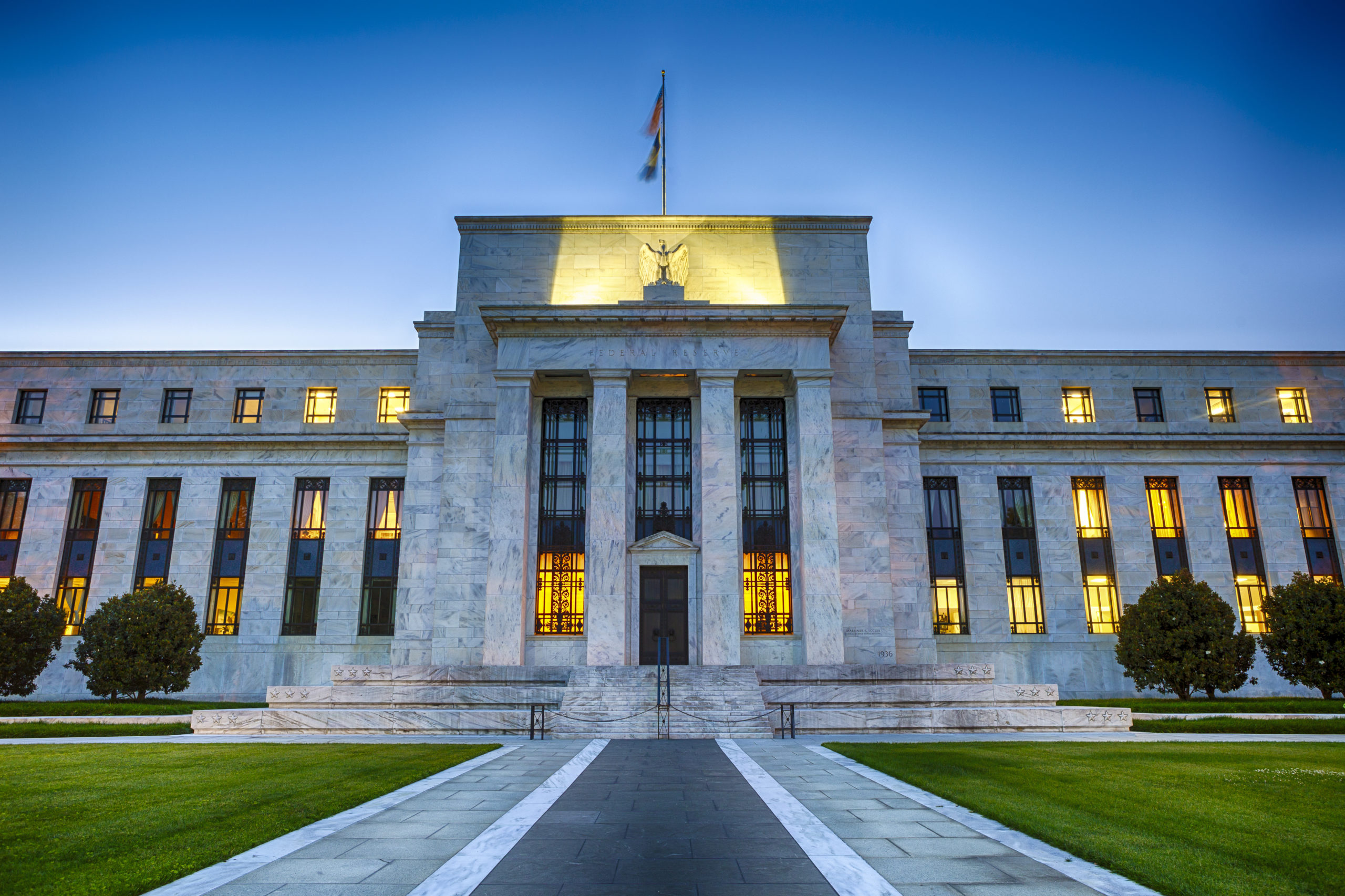
Recent turmoil in global stock markets, triggered by a sharp slowdown in the U.S. job market, has led to speculation that the Federal Reserve might cut interest rates before its next scheduled meeting in September. However, despite the market volatility, the odds of an emergency rate cut remain low. Chicago Fed President Austan Goolsbee emphasized that the Fed’s mandate focuses on employment and price stability, not the stock market.

While some analysts anticipate a half-percentage-point rate cut at the September meeting, few believe the Fed will act sooner. Kathy Bostjancic, an economist at Nationwide, warned that an emergency cut could cause more panic in the markets. Even former New York Fed President Bill Dudley, who recently advocated for rate cuts, acknowledged that an intermeeting cut is “very unlikely.”

Global stock markets have somewhat recovered after initial losses, and recent data showing a drop in U.S. jobless claims has further eased concerns. As a result, traders have scaled back expectations for an immediate Fed rate cut, now seeing even odds between a quarter-point and half-point reduction in September.

Fed Chair Jerome Powell is expected to provide more guidance at the upcoming Jackson Hole economic symposium. For now, Powell seems likely to maintain the current policy rate, sticking to his statement that any potential rate reduction will depend on forthcoming economic data, particularly regarding jobs, inflation, and consumer spending.

Historically, the Fed has only cut rates between meetings in response to severe market disruptions, such as during the 2008 financial crisis and the COVID-19 pandemic. However, current conditions do not appear to meet that threshold, making a preemptive rate cut before September unlikely.


Global Stock Traders Face Dip-Buying Dilemma After Crushing Selloff

A massive selloff has unsettled global equity markets, leaving investors uncertain about buying stocks at lower prices. Concerns over the U.S. economy and disappointing tech earnings have cast a shadow over the outlook, potentially leading to further losses. Last week, the S&P 500 dropped nearly 6% from its July peak, while the tech-heavy Nasdaq Composite experienced its first 10% correction since early 2022. Markets in Europe and Asia also plummeted, with Japan’s Nikkei index losing almost 5%.

Investors now face a dilemma: whether to buy during this dip or hold off amid recession fears. Historically, the S&P 500 has fallen an average of 29% during recessions, according to Truist Advisory Services. Additionally, Warren Buffett’s Berkshire Hathaway reported selling half its stake in Apple and increasing its cash reserves, signaling caution.

Mark Travis, portfolio manager at Intrepid Capital, noted that investors are reassessing risks due to high valuations. Despite a strong year driven by AI technology and a resilient economy, the recent selloff has dampened risk appetite. Concerns that the Federal Reserve might be delaying interest rate cuts have led traders to move from high-valued stocks to safer investments like U.S. government bonds.

Some investors, however, view the selloff as a temporary setback and are considering buying opportunities. The S&P 500 and Nasdaq are still up around 12% year-to-date, with Nvidia showing significant gains despite recent declines. Economists found positives in the latest jobs report, and some tech companies, including Apple and Meta Platforms, delivered strong earnings.

Nevertheless, stock valuations remain high by historical standards, potentially leading to further selling. The S&P 500’s valuation has decreased slightly but remains above its long-term average. Market strategist Art Hogan highlighted the market’s tendency to overreact to economic normalization signs, potentially leading to profit-taking.

With limited major economic data releases until mid-August, markets may remain volatile. The Cboe Volatility Index, known as Wall Street’s fear gauge, reached its highest level since March 2023, indicating increased demand for options protection. Additionally, the yield on the benchmark 10-year U.S. Treasury dropped significantly, reflecting expectations of future rate cuts and investor caution.