Yazılar

JPMorgan Drops Lawsuit Against Tesla Over Stock Warrants

JPMorgan Chase and Tesla have agreed to settle their dispute over a 2014 stock warrants contract, ending a lawsuit that had been ongoing since 2021. In a joint filing submitted to a Manhattan court on Friday, both companies stated they would drop their claims against each other.

The terms of the settlement were not disclosed, and neither company responded to media requests for comment. Bloomberg News first reported the settlement.

The legal battle stemmed from a 2014 agreement in which Tesla sold stock warrants to JPMorgan. Warrants give holders the right to purchase stock at a set price and date. JPMorgan claimed the value of the warrants was significantly impacted by a controversial 2018 tweet from Tesla CEO Elon Musk, where he stated his intention to take Tesla private at $420 per share, adding that he had “funding secured.” Musk later abandoned the plan, causing Tesla’s stock price to fluctuate widely.

JPMorgan argued that it was contractually obligated to adjust the warrants’ strike price to reflect the stock price volatility caused by Musk’s tweet and its aftermath. The bank claimed this adjustment led to Tesla owing $162.2 million, which the automaker did not pay.

Tesla countersued in January 2023, accusing JPMorgan of trying to exploit the situation for financial gain by demanding an unwarranted payout.

The dispute highlights the broader implications of Musk’s social media activity, which has led to regulatory scrutiny. Following the 2018 tweet, Musk reached an agreement with the U.S. Securities and Exchange Commission (SEC) to have certain tweets pre-approved by a Tesla lawyer.

The settlement ends one of the lingering legal battles between Tesla and its corporate partners, closing a chapter in the companies’ tumultuous relationship.
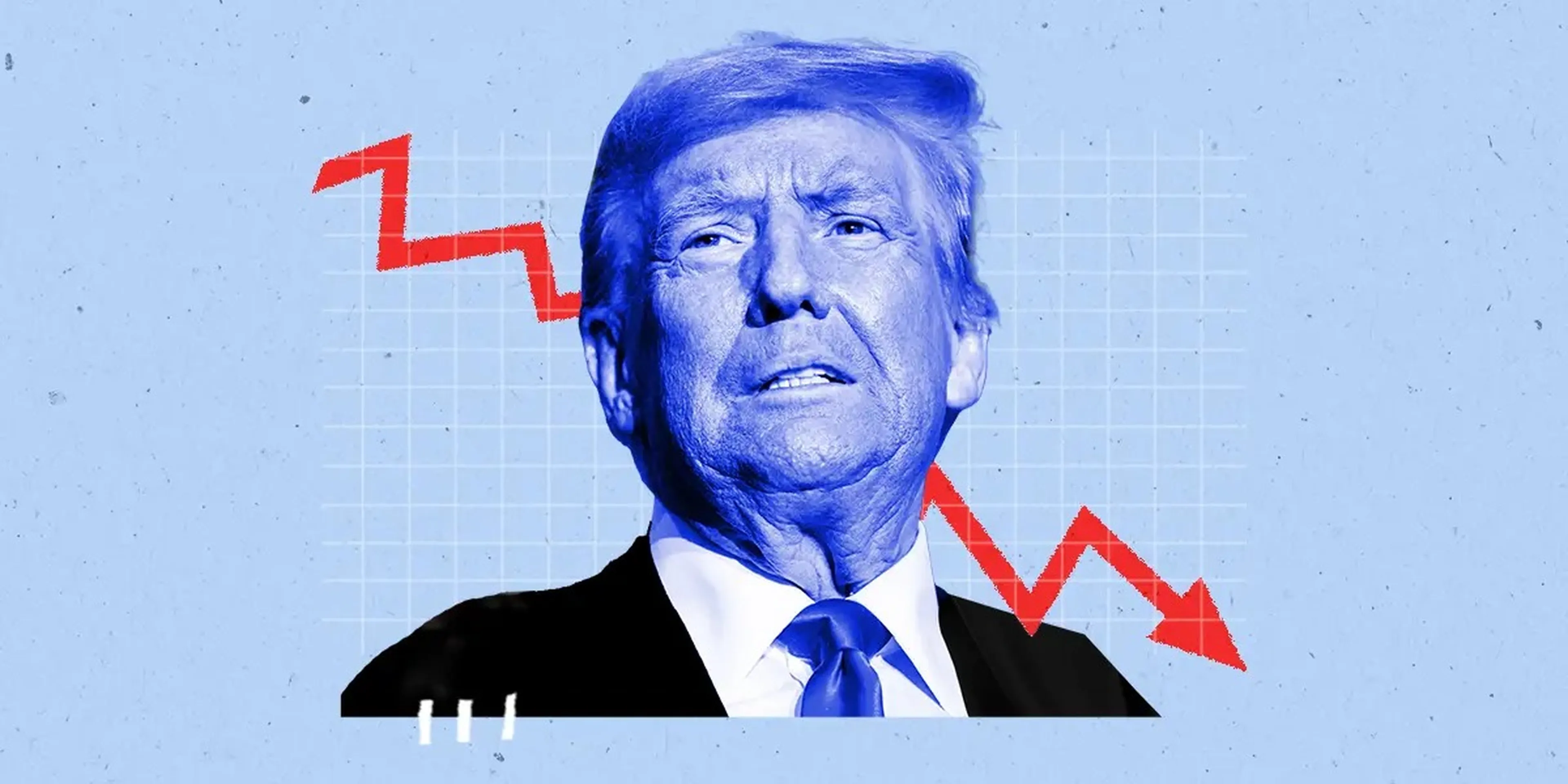

Trump Media Shares Experience Multiple Halts Amid DJT Stock Drop in Volatile Trading

Trump Media’s stock trading was halted twice on Thursday morning as shares saw a sharp decline amid a highly volatile market session. DJT stock, associated with the company majority-owned by former President Donald Trump, fell nearly 14% before being halted a second time at 10:04 a.m. ET.

The stock’s latest decline follows a significant drop of over 22% in Wednesday’s trading. Trump Media, the parent company of Truth Social, had recently bounced back from a major sell-off, just as the 2024 presidential election season approaches.


Retail Investors Stay Resilient Amid Market Turmoil, Research Shows

Despite the recent volatility in U.S. stock markets, retail investors have remained active buyers, taking advantage of sharp declines in popular technology stocks, according to several research reports. While Monday’s global sell-off, driven by anxiety over economic data and the unwinding of yen-funded trades, saw major indexes plummet by 2.6% to 3.4%, individual investors largely continued their dip-buying strategy.

Vanda Research, a New York-based market analysis firm, reported that retail investors remained net buyers during the market downturn, particularly favoring shares of tech giants like Nvidia, Intel, and Advanced Micro Devices. Additionally, they increased their investments in an exchange-traded fund (ETF) that tracks 20-year Treasury bonds, signaling a blend of cautious optimism and a search for safer assets.

“There was no retail capitulation,” noted Marco Iachini, Senior Vice President of Research at Vanda. He emphasized that the data reflected the behavior of self-directed investors who manage their own trading activities without the aid of major brokerage firms or financial advisors. According to Iachini, retail investors are “continuing their dip-buying spree,” undeterred by the market’s turbulence.

Robinhood Markets, a popular trading platform among retail investors, reported a significant influx of new funds during the volatile period. The company saw $1 billion in new cash deposits from retail clients in the first week of August, with $500 million of that amount deposited during Monday’s sell-off alone. This marked a substantial increase compared to the platform’s second-quarter daily average of less than $350 million. However, Robinhood faced challenges in executing orders during overnight sessions due to extreme demand, highlighting the intensity of retail investor activity.

Contrastingly, a report by JP Morgan indicated that retail investors were “aggressive net sellers” on Monday, with the majority of selling pressure occurring during the first hour of trading. Despite this initial wave of selling, both Vanda and JP Morgan observed a strong recovery in retail buying on Tuesday and Wednesday.

As the week progressed, Vanda Research noted a surge in retail interest in the iShares 20+ Year Treasury Bond ETF, making it the second-most actively purchased security by Thursday morning, following Nvidia shares. This trend suggests that while retail investors remain engaged in the stock market, they are increasingly seeking safer havens amid growing concerns about the market’s outlook.

Supporting this cautious sentiment, Alight Solutions, which tracks trading activity in 401(k) retirement accounts, reported that its clients were actively reallocating assets from stock funds to money markets and fixed-income products. According to Rob Austin, Head of Research at Alight, trading activity was about eight times the average, although the overall shift represented just 0.1% of the $200 billion in assets tracked by the firm.