Yazılar

Chroming: A Dangerous Trend Threatening Youth

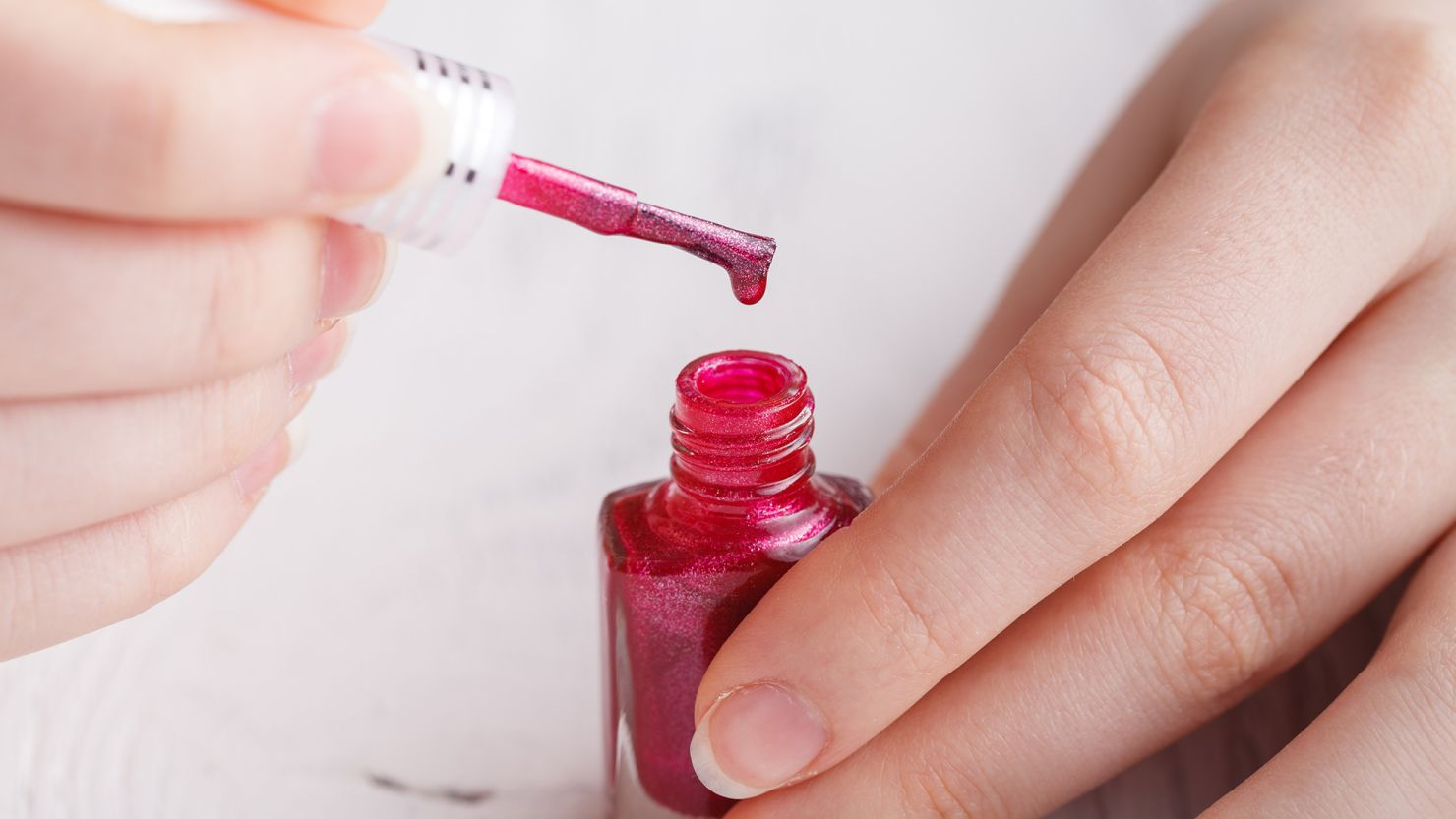
The practice of “chroming,” a form of inhalant abuse, has emerged as a concerning trend among youth, akin to older practices like huffing. It involves inhaling fumes from everyday products like markers, aerosol sprays, and metallic paint to experience a high. Experts like Dr. Anthony Pizon from the University of Pittsburgh warn that this method is incredibly risky, sometimes leaving users with metallic residue on their face due to the paint.

While inhalant abuse declined in past decades, experimentation among teenagers is once again on the rise, according to data from the U.S. Substance Abuse and Mental Health Services Administration. In 2023, around 564,000 adolescents in the U.S. engaged in inhalant abuse, with experts noting that underlying mental health issues such as anxiety and depression often fuel the trend. The rise of social media also plays a role, with platforms like TikTok attempting to curb content that promotes inhalant misuse.

Chroming has immediate effects similar to alcohol intoxication, such as dizziness, slurred speech, and euphoria. However, the consequences of continued use can be severe, including kidney and liver damage, neurological issues, and even death. The unpredictability of these outcomes is alarming—some users suffer fatal consequences from a single session.

Prevention strategies can be challenging since most of the substances used are common household items. Experts recommend open, empathetic conversations with children, discussing the dangers of chroming without judgment. Parents should also consider securing potentially dangerous products and monitoring social media activity to reduce exposure to content that normalizes substance abuse.


Harvard and Google Unveil the Most Detailed Brain Map Ever Using AI

Harvard and Google’s Brain Mapping Breakthrough Reveals Unprecedented Insights into Neural Connections Devamını Oku

If You Agree with These 3 Statements, You Might Be a Cynic—Here’s How You Can Change

Cynicism may seem like a protective mechanism, but according to Stanford psychology professor Jamil Zaki, it can be harmful to your mental and physical health. In his book, Hope for Cynics: The Surprising Science of Human Goodness, Zaki explains that cynicism—the belief that people are selfish, greedy, and dishonest—can increase depression, anxiety, addiction, heart disease, and even lower life expectancy.

While cynicism might feel safer than trusting others, Zaki stresses that the opposite isn’t naivety. It’s about learning to trust where appropriate, rather than distrusting everyone.

Do You Agree with These 3 Statements?

Zaki highlights three statements that, if you agree with them, may indicate you have a cynical outlook:

  1. No one cares much what happens to you.
  2. Most people dislike helping others.
  3. Most people are honest chiefly through fear of getting caught.

If you agree with all three, Zaki says you may be a “well-done” cynic, viewing people and life through a bleak lens. But don’t worry—there are ways to reverse this mindset.

How to Reverse Cynicism and Become More Hopeful

1. Stop glamorizing cynicism: Being negative doesn’t make you wise or morally superior, nor does it protect you from harm. Cynicism often isolates rather than safeguards.

2. Think like a scientist: Question your negative beliefs about people. Challenge yourself to find evidence that disproves your judgments. For instance, if you instinctively distrust someone new, ask yourself why and look for clues that support a more balanced perspective.

3. Give people a chance: Take calculated risks by giving others the opportunity to show who they really are. Zaki notes that we often underestimate how trustworthy and generous most people are.

By adopting these practices, you may develop a more hopeful outlook, which Zaki argues is vital for health, resilience, and even social change.

Hope is not about ignoring challenges, but about fostering a belief in better outcomes. When you embrace hope, it can reduce depression, boost academic perseverance, and empower movements for social justice.

While cynicism might feel like a shield, hope can be a tool for personal growth and societal transformation.