Yazılar

Why You’re More Likely to Solve Your Problems on a Therapist’s Sofa Than on Social Media

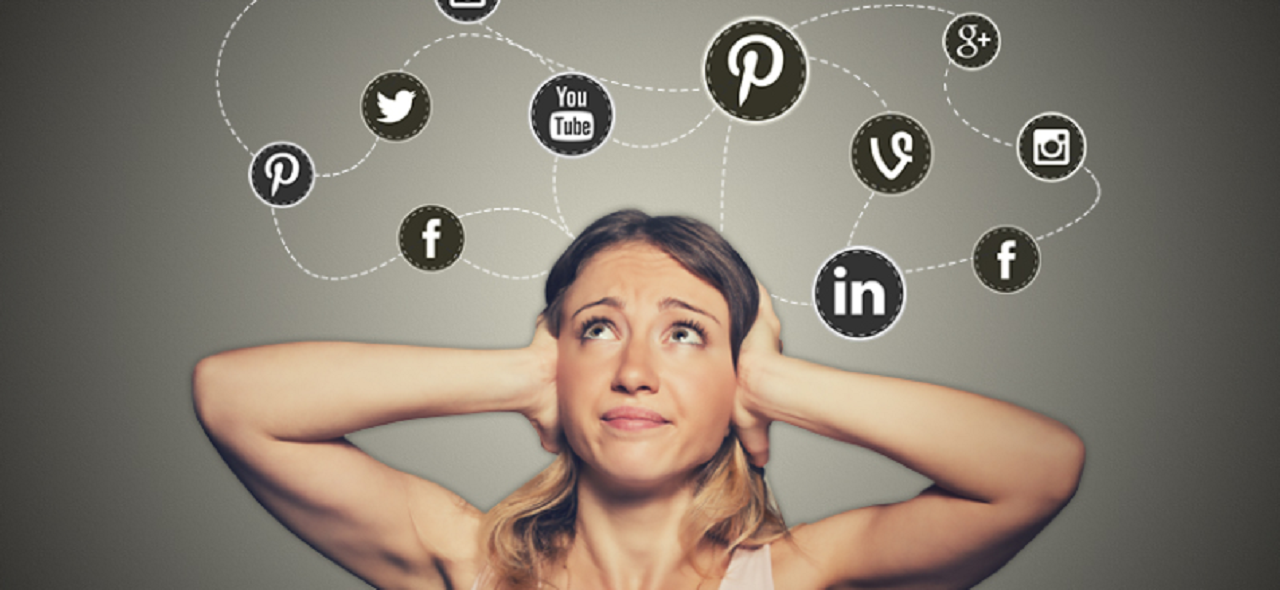
In an era where mental health issues are increasingly acknowledged, many individuals are turning to platforms like TikTok for guidance rather than seeking professional help. A recent 2024 KFF Health Misinformation Tracking Poll revealed that 66% of adult TikTok users have encountered mental health content on the app.

Dr. Thomas Milam, a psychiatrist and chief medical officer at Iris Telehealth, noted that many TikTok users seek mental health advice through the platform due to the shortage of mental health providers and the difficulty in accessing affordable care. “The majority of people that are accessing TikTok are going to at some point seek some type of mental health guidance,” he explained.

While the rise of mental health discussions on social media can be seen as a positive development, it poses significant risks. Lindsay Liben, a psychotherapist based in New York City, cautioned against diagnosing problems based on social media content. Many posts are created by individuals without proper mental health training, leading to the spread of misleading or inaccurate information. For instance, a 2023 study published in the Journal of Autism and Developmental Disorders found that 41% of TikTok videos related to autism were inaccurate, and a 2022 study in The Canadian Journal of Psychiatry reported that 52% of ADHD-related videos contained misleading claims.

Despite TikTok’s efforts to combat misinformation by working with independent partners and providing a Safety Center for reliable health information, diagnosing mental health conditions through social media remains problematic. Symptoms such as low energy and fatigue can indicate various issues, from anxiety to sleep deprivation, complicating self-diagnosis efforts.

Moreover, parents seeking solutions for their children’s sleep issues might overlook deeper problems, like bullying, as highlighted by Liben. Misinterpreting normal feelings of worry or sadness as mental health disorders can also lead to confusion and unnecessary anxiety.

A further concern is that some creators on social media promote products like sleep aids and vitamins alongside their mental health content, often oversimplifying complex issues. Milam emphasized that quick fixes are rarely effective for serious conditions like anxiety or depression, which require nuanced approaches. When solutions fail, it can exacerbate feelings of inadequacy among individuals trying to improve their mental health.

For those looking for credible mental health resources online, experts recommend seeking content from licensed professionals, such as doctors or licensed therapists, who are transparent about their qualifications. It’s essential to verify the educational backgrounds and training of content creators and to rely on sources that reference high-quality research.

Milam suggests that individuals who suspect they may have mental health concerns should first reach out to their primary care physicians, who can offer guidance and referrals to mental health specialists. Resources from the American Psychiatric Association and the American Psychological Association can also provide reliable information.

Ultimately, while social media can facilitate discussions around mental health, experts agree that addressing these issues effectively requires more than a quick video. The most reliable answers are often found on the traditional therapist’s sofa, where professional support can lead to meaningful solutions.
 

25% of Adults Report ‘Electsomnia’ Ahead of Election: Here’s How to Get Better Sleep

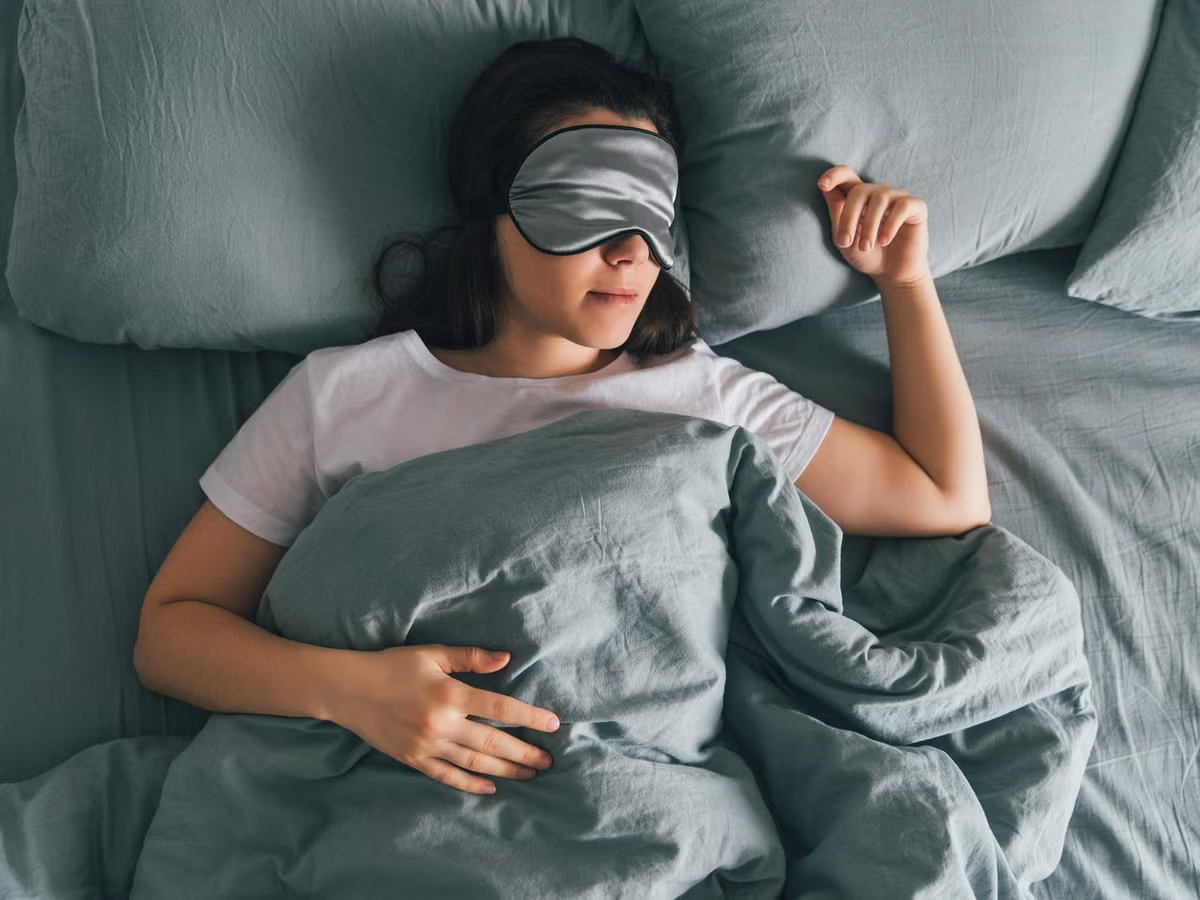
With a close election approaching on November 7, stress is running high across the U.S., and a recent survey by the American Psychological Association found that 25% of adults are losing sleep over it, a phenomenon some experts have coined “electsomnia.” If the election is affecting your rest, you’re not alone. Fortunately, sleep experts recommend a few simple strategies to improve sleep both now and post-election.

3 Tips to Get Better Sleep This Election Season—and Beyond

1. Eat More Melatonin-Rich Foods

Sleep experts suggest adding foods high in melatonin, the hormone that regulates sleep-wake cycles, to your diet. Rather than relying on supplements, licensed psychologist Shelby Harris recommends sourcing melatonin through foods like walnuts, salmon, eggs, tart cherries, and cow’s milk. These natural sources can help signal your body that it’s time to sleep, improving your overall sleep quality.

2. Find Your Ideal Sleep Duration

Sleep needs vary widely. While many aim for the “magic” eight hours, Harris explains that good sleep can happen within a range, from six to nine hours depending on individual needs. If seven hours works for you, trying to sleep for eight might disrupt your rest instead of improving it. Focus on finding the sleep duration that best supports you, and don’t stress over occasional restless nights.

3. Stick to a Regular Sleep Schedule

Consistency in sleep and wake times can be crucial for sleep quality, says Dr. Abhinav Singh, director at the Indiana Sleep Center. “Avoid social jet lag” by keeping your schedule as consistent as possible, even on weekends, and try not to vary your wake-up times by more than an hour. This helps your body maintain a stable rhythm, promoting better rest.

Additional Wellness Tips to Manage Election Stress and Burnout

The days leading up to the election can add to mental fatigue, and two licensed psychologists, Tirrell De Gannes and Elisabeth Morray, suggest three wellness practices to help manage stress and prevent burnout:

  • Set Limits on News Consumption: Designate specific times for catching up on election news and avoid political updates outside of these windows to minimize stress.
  • Customize Your Social Media Algorithms: Engage with content that brings you joy or interest on social platforms. This can adjust your feed to show more positive content, reducing stress.
  • Maintain Daily Routines That Uplift You: Simple, consistent routines—like spending time with family or preparing favorite meals—can improve your mood and keep stress levels down.

By incorporating these sleep and wellness strategies, you can mitigate the effects of “electsomnia” and focus on well-being throughout this election season.


Should There Be a Ban on Teenage Popstars? A Discussion on Industry Responsibility Following Liam Payne’s Death

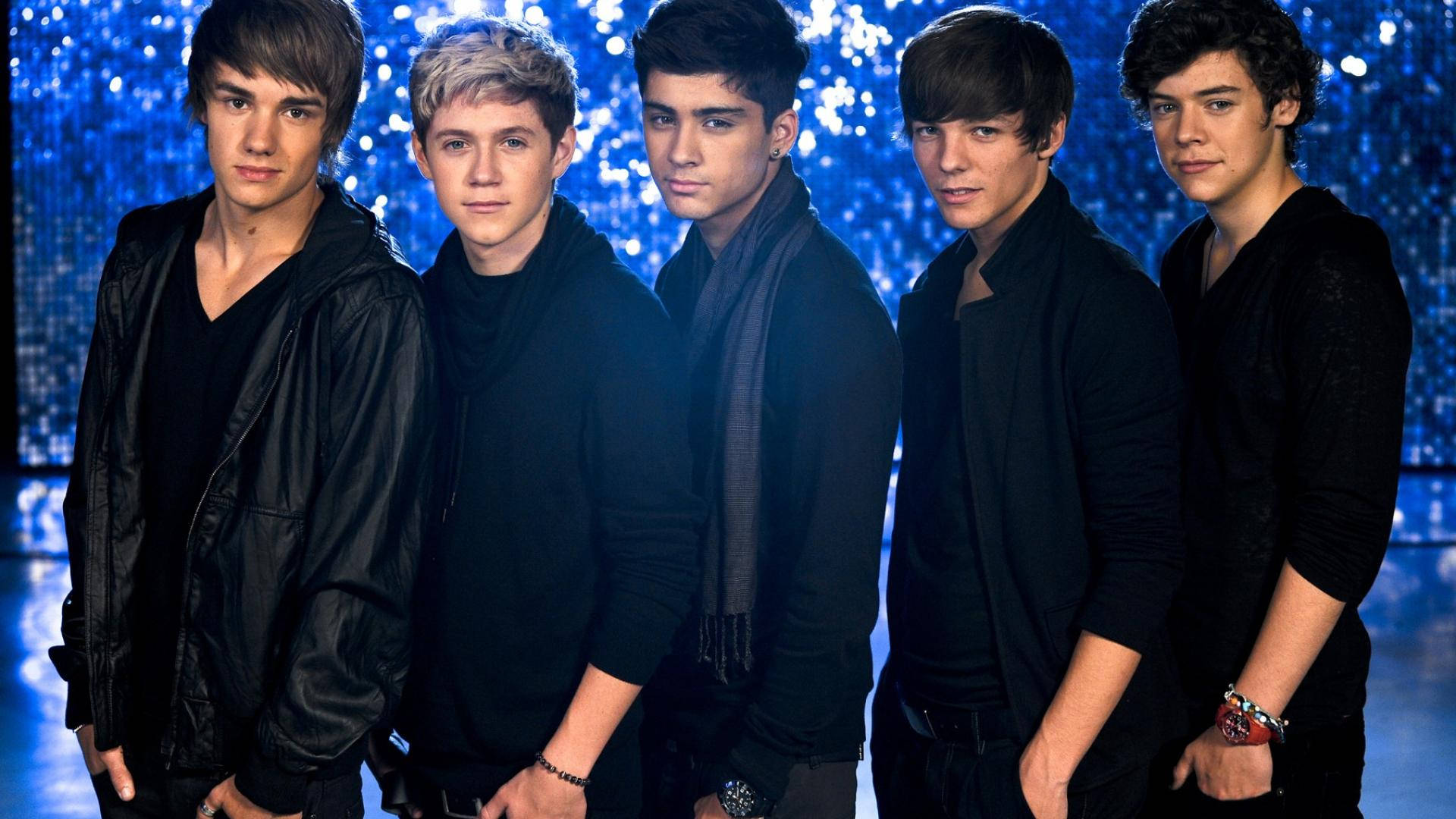
As the music world mourns the death of Liam Payne, former One Direction member, discussions surrounding the duty of care for young artists have intensified. Payne’s tragic story, marked by fame at 16 and struggles with addiction, underscores a pressing issue: should there be a ban on teenage popstars to protect their mental health?

On October 16, the news of Payne’s passing at 31 sparked conversations about the challenges faced by young musicians thrust into the spotlight. Payne had openly shared his experiences of anxiety and substance abuse, revealing how the relentless public scrutiny affected his mental well-being. “It’s mainly mentally where you struggle with it,” he expressed in a 2019 interview, highlighting the toll of constant visibility.

The parallels drawn between Payne’s experiences and those of other artists, such as Robbie Williams and Amy Winehouse, illustrate a troubling pattern. Williams, who joined Take That at 16, faced panic attacks and addiction issues, while Winehouse struggled with intense media scrutiny and addiction, ultimately leading to her untimely death at 27. These stories raise the question: is the music industry equipped to protect its youngest talents?

In the wake of Payne’s death, songwriter Guy Chambers suggested an outright ban on under-18s in pop music. He argued that placing minors in an adult environment can be detrimental to their development. Chambers reflected on his observations of the industry’s lack of protective measures for young stars, stating, “I don’t see much sign of change… putting a 16-year-old in an adult world like that is potentially really damaging.”

While the proposal for a ban raises significant concerns, it also invites skepticism about feasibility. Chris Herbert, a former pop manager, pointed out the challenges of implementing such a restriction in an industry that thrives on youth appeal. “There will always be a young market who want artists who are relatable,” he noted, advocating instead for enhanced education and support for young performers.

Psychologist Dr. Adi Jaffe emphasized the vulnerability of young artists, stating, “We run them through a heavily incentivised capitalistic system… Many artists struggle and are caught in that same machine.” The demanding schedules and pressures to perform can lead to unhealthy coping mechanisms, as seen with numerous artists who have succumbed to addiction and mental health issues.

Existing child performance laws in the UK protect children up to 16, but once they reach school-leaving age, they are left without safeguards. This gap leaves 16- and 17-year-olds at risk, as the onus falls on their management teams and families to ensure their well-being. Ed Magee from the National Network for Children in Employment and Entertainment emphasized the need for proper support structures around young artists.

Advocates like Jaffe call for a re-evaluation of how the industry operates, suggesting that young artists be empowered to establish their own boundaries and access aftercare as they transition back to normalcy after fame. Lily Allen echoed this sentiment in her podcast, highlighting the profit-driven nature of the industry, where artists often lack the protections afforded to employees.

Ultimately, the debate over banning teenage popstars raises important questions about the music industry’s responsibility to its youngest members. While some argue that a ban might protect vulnerable youth, others stress the need for systemic changes that prioritize mental health support and education. As Herbert poignantly stated, “The music industry is littered with casualties,” and it remains to be seen if meaningful reforms will be enacted to safeguard future generations of artists.