Yazılar

German Court Rules Against Deutsche Bank in Postbank Acquisition Lawsuit

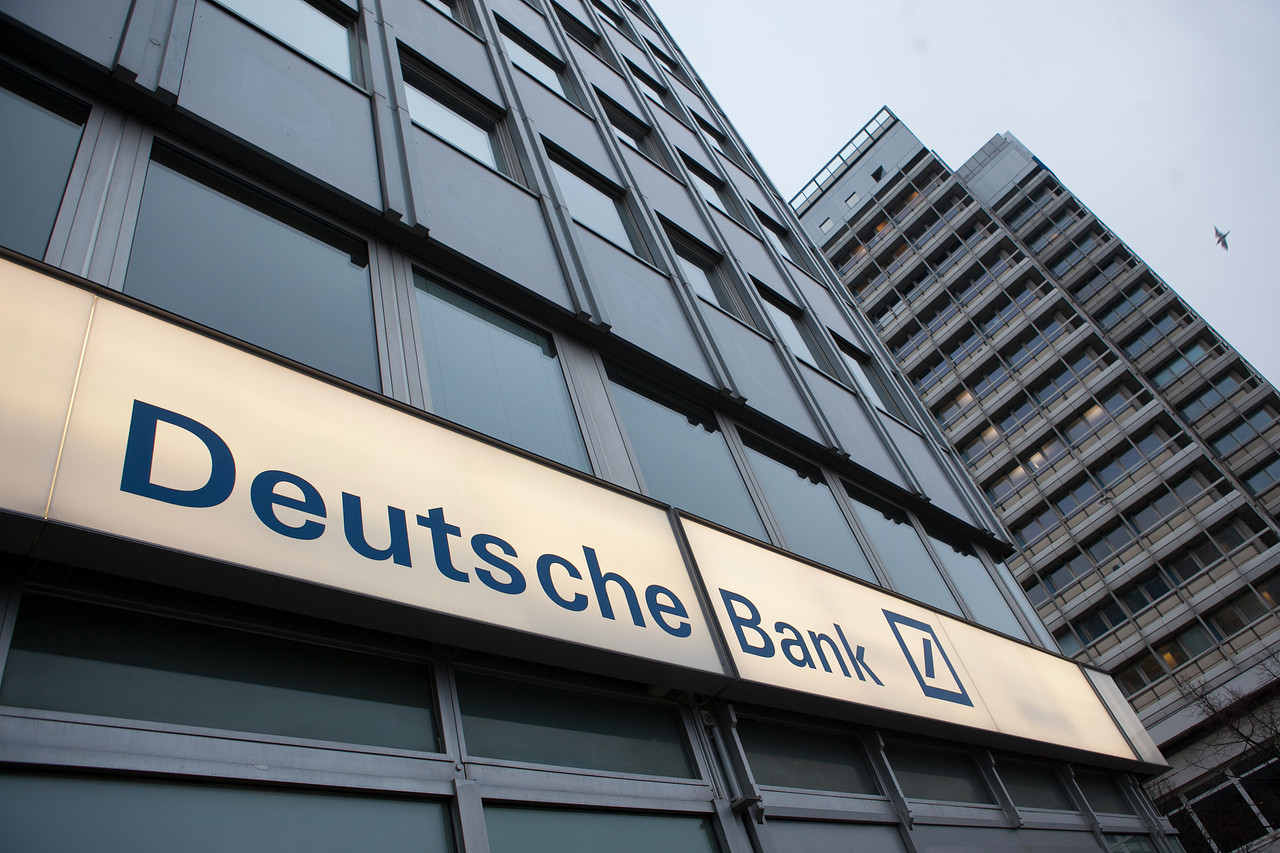
A Cologne higher regional court ruled against Deutsche Bank on Wednesday in a protracted legal battle with shareholders, who argued that the bank underpaid for its acquisition of Postbank. The court’s decision adds to the ongoing challenges facing Deutsche Bank related to this significant transaction.

Background of the Case

The lawsuit involved 13 plaintiffs, former shareholders of Deutsche Postbank, who contended that the acquisition price of 25 euros ($27) per share, paid in 2010, was insufficient. They argued that Postbank was worth more than the amount Deutsche Bank paid, claiming they should have received 57.25 euros per share—the price of Deutsche Bank’s initial 30% stake in Postbank, which occurred just before the collapse of Lehman Brothers and the onset of the global financial crisis.

The full merger between Deutsche Bank and Postbank was finalized in 2018, but legal complications surrounding the acquisition have persisted, impacting Deutsche Bank’s financial outlook.

Financial Impact

The ongoing litigation has weighed heavily on Deutsche Bank’s performance, particularly as recently as the second quarter, when the lender reported a loss of 143 million euros after setting aside 1.3 billion euros related to the Postbank lawsuit. In August, Deutsche Bank managed to reach settlements with nearly 60% of the plaintiffs involved in the case.

On the same day as the court ruling, Deutsche Bank reported a release of 440 million euros in litigation provisions for the third quarter. This release contributed to a better-than-expected net profit attributable to shareholders of 1.46 billion euros ($1.58 billion) during the period.

Next Steps for Deutsche Bank

Following the court’s ruling, Deutsche Bank announced it would assess the judgment, noting that it had already set aside provisions for all outstanding claims from the plaintiffs, including any accrued interest. A spokesperson for the bank mentioned that the court did not permit an appeal to the German Federal Court. However, Deutsche Bank is considering filing a non-admission complaint (a motion for leave to appeal) once it receives the written reasoning for the court’s decision.

In response to the news, shares of Deutsche Bank fell 2.3% as of 10:58 a.m. London time.

Conclusion

This ruling marks another chapter in the ongoing legal struggles for Deutsche Bank concerning its acquisition of Postbank. The bank will need to navigate this ruling while managing its financial performance and shareholder expectations in the coming months.

India’s Antitrust Concerns Over Disney-Reliance $8.5 Billion Merger, Focus on Cricket Broadcast Rights

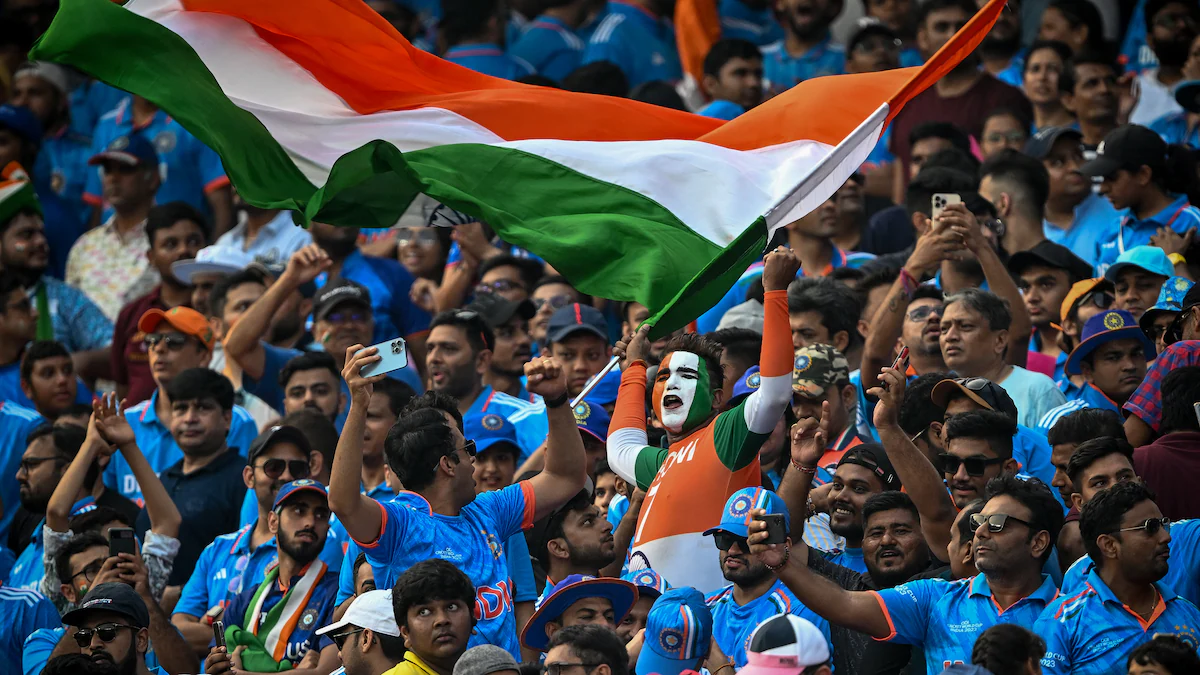
India’s antitrust body, the Competition Commission of India (CCI), has raised concerns that the proposed $8.5 billion merger between Reliance and Disney’s media assets could harm competition, particularly due to their potential dominance over cricket broadcast rights. This merger, aimed at creating India’s largest entertainment conglomerate, has sparked fears over pricing power and control over advertisers in a market where cricket is a highly lucrative sport.

The CCI has privately informed Disney and Reliance of its concerns, specifically highlighting the significant influence the merged entity would wield over cricket broadcasting, a sport deeply embedded in Indian culture and commanding substantial viewership and advertising revenue. The merged company, majority-owned by Mukesh Ambani’s Reliance, would control the broadcast rights for major cricket leagues, including the Indian Premier League (IPL), one of the world’s most valuable sports properties.

This development represents a significant obstacle for the merger, which was announced in February 2024. The CCI has given the companies 30 days to respond and justify why an investigation should not be launched. The primary concern is that the merger could lead to increased advertising rates during live cricket events, given the merged entity’s potential 40% share of the advertising market in TV and streaming segments.

Picture background

In response to earlier queries from the CCI, Reliance and Disney proposed selling a small number of television channels to alleviate concerns about market dominance. However, they refused to concede on cricket broadcasting rights, arguing that these rights, set to expire in 2027 and 2028, cannot be sold without approval from the Board of Control for Cricket in India (BCCI), which could further delay the merger process.

The situation echoes a similar scenario in 2022 when Zee and Sony planned a $10 billion merger. The CCI had also issued a warning due to concerns over market dominance, particularly in the sports broadcasting sector. Although Zee and Sony offered concessions, including selling three TV channels, the merger ultimately collapsed.

As the situation develops, the CCI’s notice could delay the approval process for the Disney-Reliance merger, potentially leading to more stringent concessions. The outcome will likely hinge on how the companies address concerns related to their potential dominance over cricket broadcasting and its impact on competition within the Indian media and advertising markets.