Yazılar

Microsoft and OpenAI strike non-binding deal to enable restructuring

Microsoft and OpenAI announced on Thursday that they have signed a non-binding agreement to redefine their partnership, paving the way for OpenAI to restructure into a for-profit company. The move would allow the ChatGPT creator to adopt a more conventional governance model, raise capital more freely, and potentially pursue an eventual IPO.

While details of the new commercial terms were not disclosed, both companies said they are working toward a definitive agreement. The talks mark a major shift in one of the most closely watched partnerships in the AI sector, forged to fuel the global boom in generative AI.

Microsoft has invested $11 billion in OpenAI since 2019 and until recently enjoyed exclusive rights to market OpenAI’s tools through its Azure cloud platform. But the dynamic has shifted: OpenAI has launched its own Stargate data center project, signed $300 billion in contracts with Oracle, and struck another cloud deal with Google, signaling its desire to diversify partnerships and reduce reliance on Microsoft.

For its part, Microsoft wants to preserve access to OpenAI’s technology even if OpenAI claims to reach artificial general intelligence (AGI) — a threshold that under current terms would end the partnership.

OpenAI is targeting a $500 billion valuation, with its nonprofit arm set to receive more than $100 billion, according to chairman Bret Taylor. The conversion still requires approval from attorneys general in California and Delaware, and OpenAI risks losing billions in tied funding if it fails to finalize the transition by year-end.

The evolving relationship underscores the growing competitive tension between the two. Microsoft is developing its own AI models to reduce dependency, while both companies continue to compete in enterprise tools and consumer-facing chatbots.
Microsoft avoids EU antitrust fine with Teams price split

Microsoft sidestepped a potential multibillion-euro EU antitrust fine by agreeing to lower prices on Office products that exclude its Teams app, the European Commission announced Friday. The deal follows a long-running probe triggered by a 2020 complaint from Slack, later joined by German rival Alfaview, accusing Microsoft of unfairly bundling Teams with Office.

Under the agreement, Microsoft will widen the price difference by 50% between Office/Microsoft 365 packages sold with and without Teams, creating a gap of €1–€8 depending on the suite. This pricing model will stay in place for seven years, while additional commitments on interoperability and data portability—including the ability for customers to export Teams messaging data to competitors—will last 10 years.

EU antitrust chief Teresa Ribera said the move would “open up competition in this crucial market,” ensuring companies can freely choose their collaboration tools. The decision arrives a week after Ribera fined Google €2.95 billion for adtech violations, a ruling that drew sharp criticism from U.S. President Donald Trump.

Microsoft Vice President Nanna-Louise Linde said the company welcomed the constructive dialogue and would implement its obligations globally. Alfaview CEO Niko Fostiropoulos praised the settlement as a win for Europe’s “digital sovereignty,” while Salesforce president Sabastian Niles called it “a meaningful step forward” and urged strict enforcement.

Microsoft has previously racked up €2.2 billion in EU fines for bundling and other practices, but in recent years it has sought a more cooperative stance with regulators. Antitrust penalties can reach up to 10% of a firm’s global annual turnover, meaning the company could have faced a fine of over $20 billion without the deal.

Oracle’s Record-Breaking Surge Highlights AI Trade’s Dominance in Markets

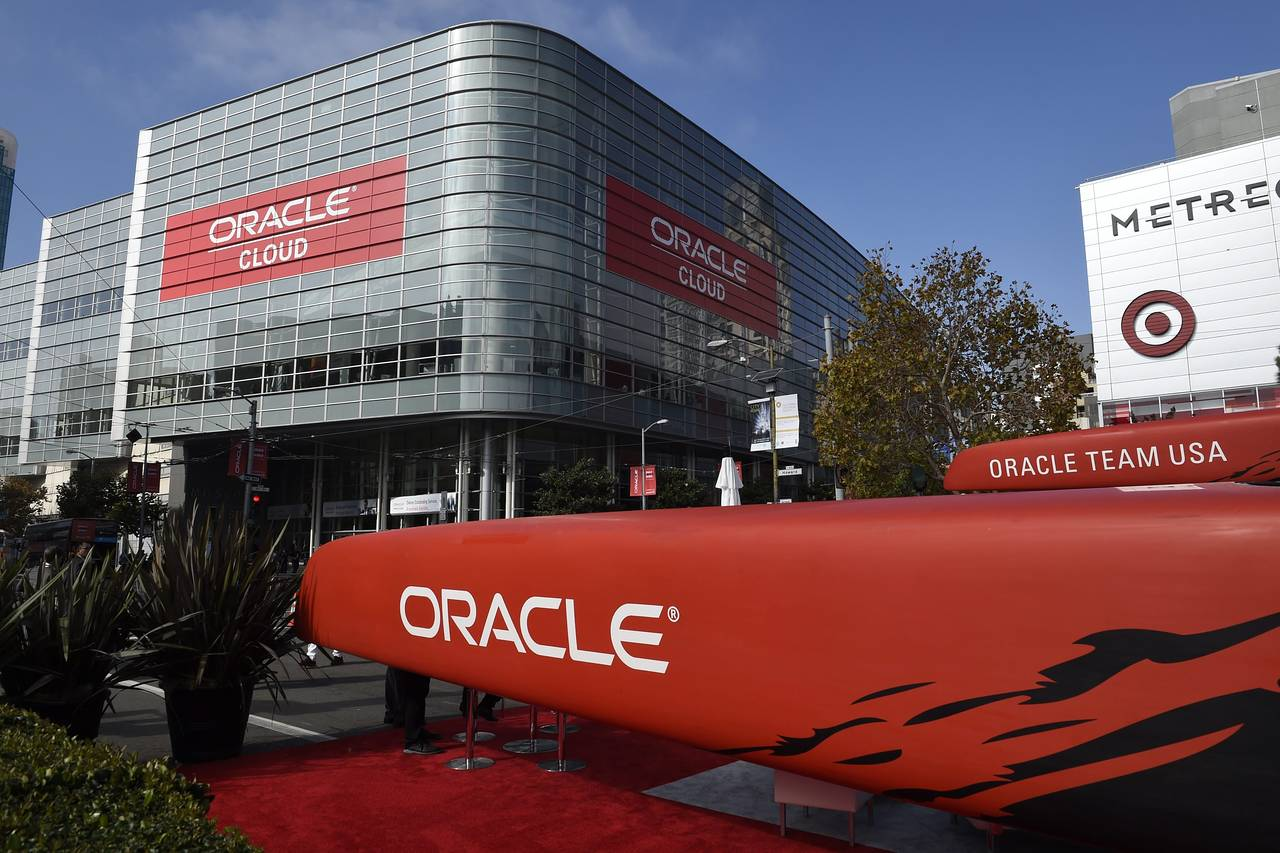
Wall Street’s AI-driven rally hit another milestone this week as Oracle’s shares soared 36%, pushing its market value to $922 billion and reinforcing artificial intelligence as the defining force behind 2025’s equity boom.

Oracle’s AI Catalyst

  • The surge followed Oracle’s disclosure of four multi-billion-dollar cloud contracts driven by demand from AI companies such as OpenAI and xAI.

  • The move places Oracle among the 10 most valuable U.S. companies, overtaking names like Eli Lilly, JPMorgan, and Walmart.

  • Oracle’s stock has nearly doubled in 2025, making it one of the top S&P 500 performers.

AI Trade in Context

  • Nvidia, Microsoft, Alphabet, Amazon, Palantir, Broadcom, Meta Platforms, and Oracle together have accounted for about half of the S&P 500’s 11% gain this year.

  • Nvidia remains the world’s most valuable company at $4.3 trillion, despite a minor pullback after its August sales forecast.

  • The technology sector overall is up 16% year-to-date, with forward P/E ratios at 28x earnings — well above the 10-year average of 22x.

Broader Market Impact

  • AI-linked stocks now dominate trading activity: 9 of the 10 most traded companies this week were AI-related (Apple being the lone exception).

  • The enthusiasm has spread beyond tech: utilities and industrials like GE Vernova, Constellation Energy, and Vistra are gaining on expectations of higher energy demand to fuel AI infrastructure.

  • This has lifted the S&P 500’s overall valuation to 22x forward earnings, near a four-year high.

Investor Sentiment

Despite concerns about overheating, analysts see Oracle’s surge as proof that capital continues flowing heavily into AI plays.

“I was very surprised by the magnitude of the (Oracle) jump and it shows there is still a lot of life left in the AI trade,” said Chuck Carlson of Horizon Investment Services.