Yazılar

Microsoft to Integrate Elon Musk’s xAI Models Into Azure Cloud Platform

Microsoft Expands Azure AI Marketplace With Elon Musk’s Grok 3 Models

Microsoft is bringing Elon Musk’s xAI models to its Azure cloud platform, expanding its artificial intelligence (AI) model marketplace with new capabilities. The company confirmed that Grok 3, the latest AI model developed by xAI and launched earlier this year, will be available to Azure customers. This addition is part of Microsoft’s broader effort to cement Azure as a leading platform for deploying and managing cutting-edge AI applications.

The tech giant is competing with other major cloud service providers like Amazon Web Services (AWS) and Google Cloud to become the primary destination for AI development. As the demand for diverse and powerful AI models grows, so does the competition among cloud providers to host them. With Grok 3 joining Azure’s marketplace, Microsoft now offers access to over 1,900 models, including those from OpenAI, Meta, and DeepSeek. However, notable absences remain, such as models from Google and the fast-rising startup Anthropic.

Microsoft also made a series of AI-focused announcements during the opening of Build 2025, its annual developer conference. Many of the updates highlighted the company’s efforts to enhance agent-based AI systems—intelligent tools designed to act on a user’s behalf. A key focus was on integrating industry standards like Anthropic’s Model Context Protocol (MCP), which helps AI agents interface more effectively with digital content and applications. Microsoft confirmed that Windows and other products will adopt MCP, ensuring broader compatibility with future AI tools.

In support of this initiative, Microsoft and its GitHub subsidiary have also joined the MCP steering committee, further reinforcing their commitment to open AI collaboration and interoperability. “In order for agents to be as useful as they could be, they need to be able to talk to everything in the world,” said Kevin Scott, Microsoft’s Chief Technology Officer, emphasizing the importance of cross-platform communication and AI accessibility in the future of computing.
Microsoft Unveils NLWeb Open Project to Bring AI-Powered Natural Language Interfaces to Websites

Microsoft has unveiled a new open project called NLWeb at its Build 2025 developer conference, aimed at transforming how users interact with websites. Short for Natural Language Web, NLWeb is designed to add AI-powered natural language interfaces to websites, enabling them to understand and respond to user queries just like a conversational assistant. Microsoft believes this innovation could be as foundational to the next era of the web as HTML was to the birth of websites. By embedding this AI layer, websites can evolve into more interactive and intelligent platforms.

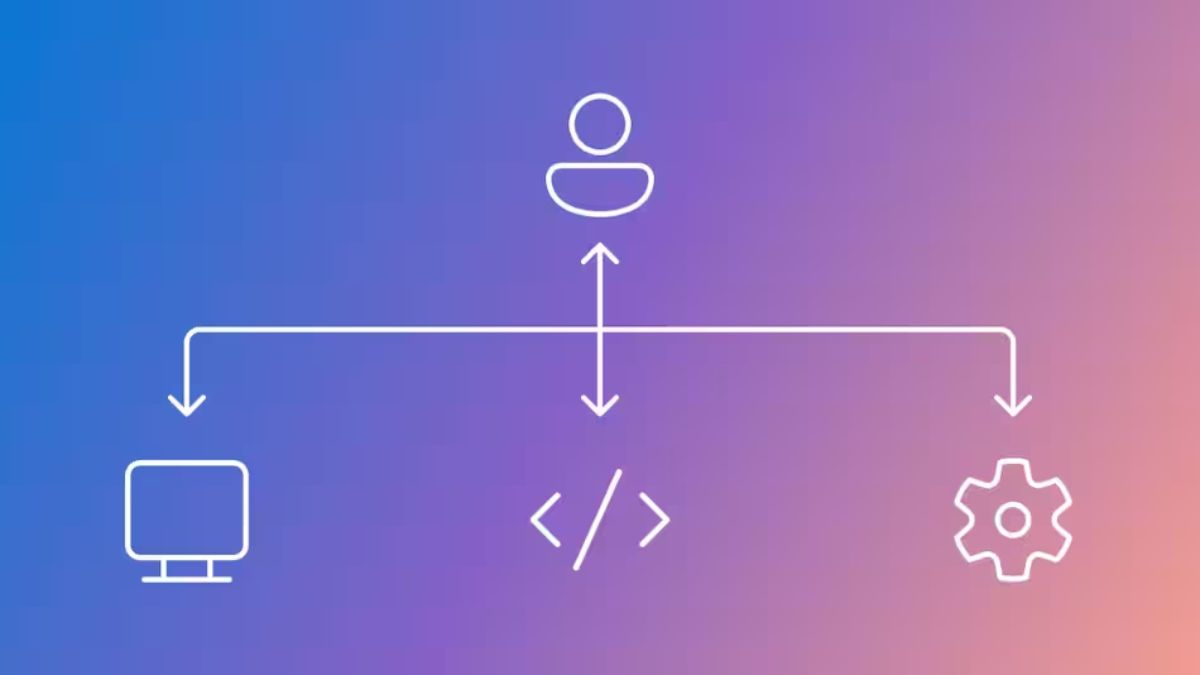
In its announcement, Microsoft explained that NLWeb would essentially allow websites to become AI applications. Instead of relying on traditional search bars or structured navigation, users will be able to ask questions or make requests in natural language—such as “Show me the latest pricing plans” or “Summarize this article”—and receive relevant, AI-generated responses. This capability can significantly enhance user engagement and streamline access to content.

Beyond just chat interfaces, NLWeb introduces a deeper integration into the broader AI ecosystem. Each NLWeb-enabled site also acts as a Model Context Protocol (MCP) server. MCP is an open standard, originally developed by Anthropic, that allows AI agents to access external data in a structured way. By supporting MCP, websites not only serve users directly but also make their content accessible to other AI agents and services, turning static web content into dynamic data sources.

Microsoft emphasized that NLWeb is fully open-source and available to developers starting today. Hosted on GitHub and integrated with the Azure AI Foundry Labs, the platform invites developers, researchers, and website owners to experiment, contribute, and help shape the future of AI-native web experiences. As more websites adopt NLWeb, it could lead to a more intelligent, agent-compatible internet where users interact naturally with the web—just like talking to an assistant.

Microsoft Launches Magnetic-UI, an Open-Source Agentic Web Interface for Performing Online Tasks

Microsoft Unveils Magentic-UI, an Open-Source Agentic Web Interface for Task Automation

Microsoft introduced a new agentic web interface called Magentic-UI during its Build 2025 conference on Monday. This innovative tool is designed as a “human-centred web agent” that collaborates closely with users to accomplish complex tasks online. Unlike typical autonomous agents, Magentic-UI provides full transparency by displaying the actions it takes in a dedicated side panel, allowing users to track progress in real time. As part of Microsoft’s commitment to openness, the tool is available as open-source software on GitHub and hosted on the Azure AI Foundry Labs platform.

Magentic-UI represents Microsoft’s first foray into a computer-use agent capable of navigating the web and performing intricate activities. In a detailed blog post, the company explained that the system functions as a network of specialized AI agents working together—similar in concept to OpenAI’s Operator or Anthropic’s Computer Use agents. These agents operate within a virtual machine environment, enabling them to browse websites, interact with web apps, and execute tasks such as booking restaurant reservations or making online purchases.

A standout feature of Magentic-UI is its “human-centric” design philosophy. Users can intervene at any time to adjust the AI’s plan, pause its actions, provide natural language feedback, or even take manual control of the web browser. Before executing any irreversible actions—like placing orders or adding items to a shopping cart—the system prompts the user for explicit approval, offering the option to modify commands. Additionally, the AI can learn from past interactions, using that knowledge to improve the efficiency and accuracy of future tasks.

Under the hood, Magentic-UI is powered by Microsoft’s Magentic-One agentic system, which orchestrates the collaboration of four distinct AI agents. The lead Orchestrator agent coordinates the overall task planning and communicates directly with the user to incorporate feedback. The WebSurfer agent controls a web browser, enabling it to perform clicks, typing, scrolling, and multi-step navigation required to complete assigned tasks. Together, these agents form a powerful, transparent, and adaptive tool designed to revolutionize how users interact with web-based environments.