Yazılar

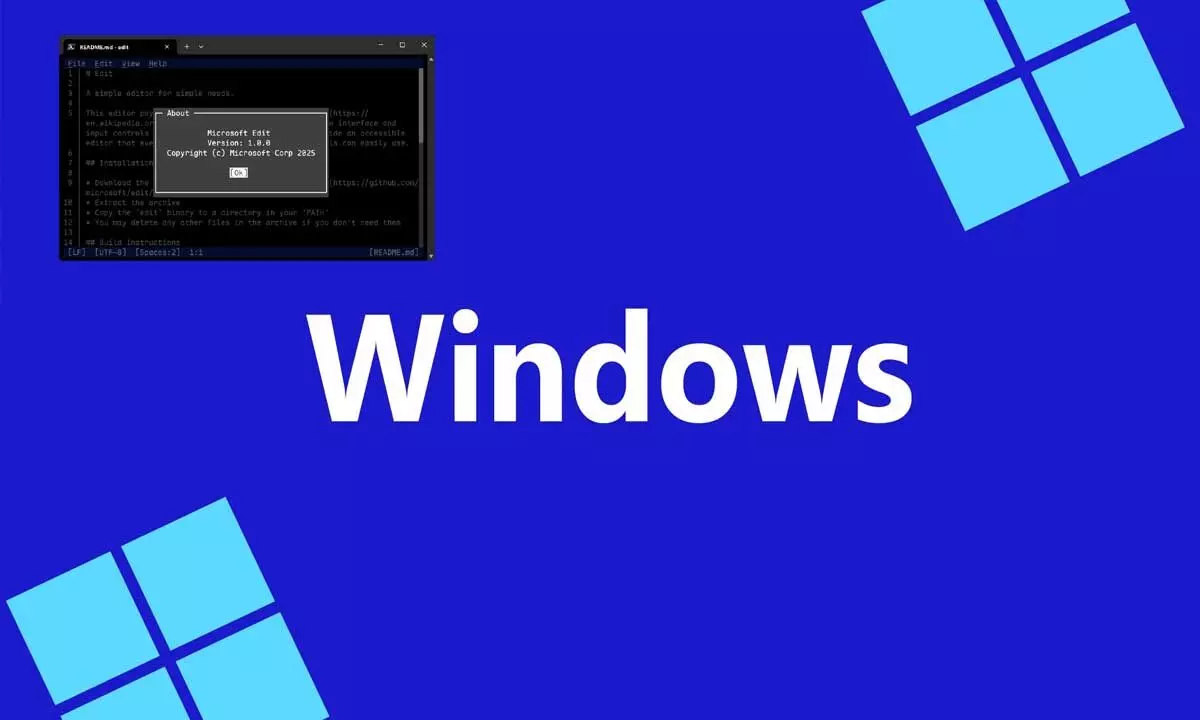
Microsoft Unveils Edit: A New Open-Source Command-Line Text Editor for Windows at Build 2025

At Microsoft’s Build 2025 developer conference, the company unveiled several important updates, with a major focus on advancements in artificial intelligence and agentic technologies. Alongside these AI innovations, Microsoft introduced a brand-new open-source command-line text editor for Windows named Edit. This lightweight yet powerful tool is designed to help developers and users easily edit files directly within the command line interface, offering a blend of simplicity and modern functionality.

Microsoft’s Edit editor is built as a modeless Text User Interface (TUI) editor, allowing users to navigate and modify text without having to switch modes, a feature that simplifies the editing experience. Paying tribute to the classic MS-DOS Editor many remember fondly, Edit modernizes the concept with an interface inspired by Visual Studio Code, making it more user-friendly and accessible to developers who may not be familiar with traditional terminal-based editors. The project is fully open source and available on GitHub, giving the community the chance to contribute, customize, or build the editor from scratch.

One of the key motivations behind creating Edit was to address a common frustration among developers: the difficulty in exiting some command-line editors like Vim, famously encapsulated in the “How do I exit vim?” meme. Christopher Nguyen, Microsoft’s Product Manager for Windows Terminal, explained that Edit aims to offer a straightforward alternative that eliminates such usability hurdles. The tool is specifically tailored for 64-bit Windows environments, filling a gap since MS-DOS Edit is only available on 32-bit Windows, leaving many users without a native CLI editor for modern systems.

Overall, Microsoft Edit represents an effort to modernize the command-line editing experience while maintaining familiarity for longtime users. Its release as open-source software encourages community involvement, ensuring the editor can evolve to meet developers’ needs. By combining ease of use with robust editing features, Edit could become a go-to tool for Windows users seeking a simple yet capable text editor in the terminal.

AI Takes Center Stage at Microsoft’s Developer Conference Amid Profit Push

Microsoft’s Developer Conference Highlights AI Strategy and Profit Goals

Microsoft kicked off its annual developer conference in Seattle on Monday, gathering thousands of software developers eager to transform the company’s extensive artificial intelligence investments into tangible, revenue-generating tools. The focus of this year’s event is squarely on monetizing AI—turning years of research and infrastructure development into products and services for both consumers and enterprises.

The tech giant, based in Redmond, Washington, has already invested a staggering $64 billion this year—much of it funneled into data centers that support AI-powered features like Copilot, which is integrated into Microsoft 365 applications. Its deep partnership with OpenAI, the creator of ChatGPT, remains central to its strategy, even as the dynamics of that relationship begin to shift.

There are growing indications that Microsoft is recalibrating its role in the AI ecosystem. Despite its close ties with OpenAI, Microsoft recently allowed the AI firm to collaborate with Oracle on the ambitious “Stargate” data center project in Texas. This move suggests Microsoft is positioning itself more as a platform provider—a “neutral arms dealer” in the intensifying AI race—rather than maintaining exclusive strategic control.

CEO Satya Nadella has also emphasized efficiency, stating that once an AI algorithm is refined, performance improvements can drive down computing costs significantly—up to tenfold. This efficiency is key as demand for AI services hosted on Microsoft’s Azure cloud continues to rise. According to Cantor Fitzgerald analyst Thomas Blakey, Microsoft is increasingly retaining AI services within its own data centers, giving it tighter control over cost, performance, and profitability.

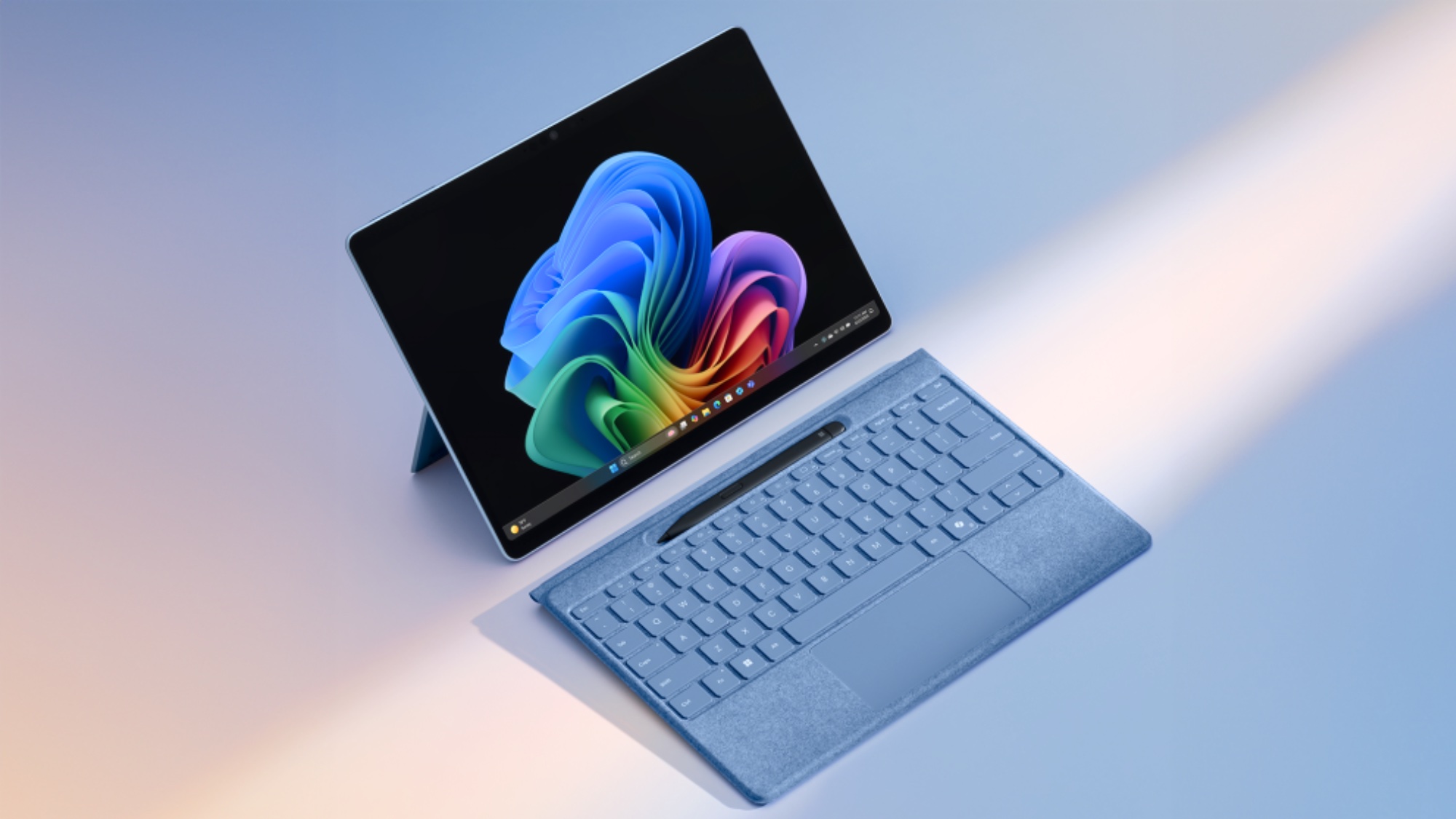
Microsoft Surface Pro and Surface Laptop Featuring ARM-Based Chips Expected to Arrive in 2026

Microsoft is reportedly planning to introduce Arm-based processors from AMD in its next-generation Surface devices, according to recent leaks. These new models are expected to succeed the Surface Laptop 7 and Surface Pro 11, potentially launching in 2026. This move would mark a shift for Microsoft, which currently offers Surface products powered by Qualcomm’s Snapdragon X series chips as well as Intel’s x86 processors. The upcoming Arm-powered devices could come at a more affordable price point, aiming to attract users looking for budget-friendly options with efficient performance.

Details shared on the NeoGAF forums suggest that AMD is developing a new Arm-based APU, codenamed Sound Wave, specifically for Microsoft’s Surface lineup. This chip is said to be manufactured using TSMC’s advanced 3nm fabrication process, promising improvements in power efficiency and performance. The Sound Wave processor is expected to feature two high-performance cores alongside four efficiency cores, along with a 128-bit LPDDRx-9600 RAM controller. Reports indicate that Surface laptops with this APU might come equipped with 16GB of RAM, targeting users who require a balance of power and efficiency.

If these rumors hold true, the addition of AMD’s Arm-based chips could significantly expand the range of Windows on Arm (WoA) devices available next year. While Microsoft has offered Snapdragon-powered Surface devices for several years, this would be the first time AMD chips appear in a Surface PC since the company’s previous use of AMD hardware. The new processors could help Microsoft diversify its portfolio by offering a mix of affordable, low-power laptops alongside its premium Intel-based lineup.

This development also reflects a broader industry trend towards Arm architectures, which provide improved battery life and energy efficiency compared to traditional x86 chips. By adopting AMD’s Sound Wave processors, Microsoft could better compete in the growing market for lightweight, portable devices designed for everyday productivity and casual use. For customers, this means more choice and potentially lower prices without sacrificing performance or battery life.