Yazılar

Iran Warns of ‘Irreversible’ Consequences as Israel-Hezbollah Conflict Escalates

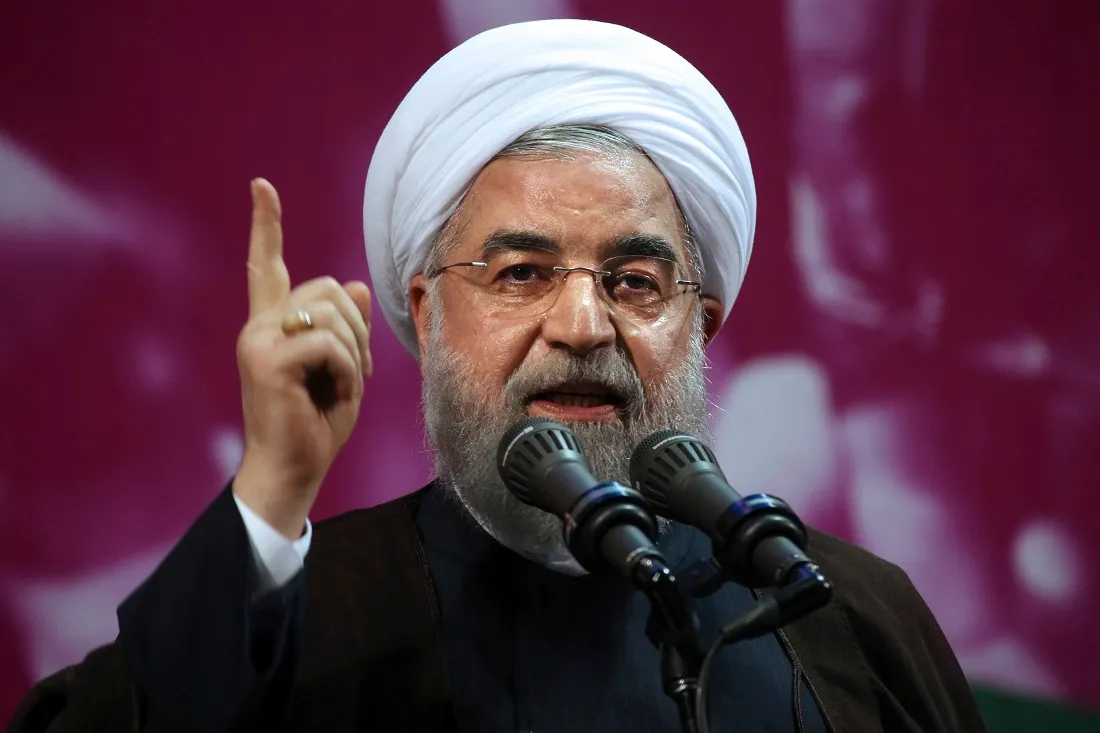
Iranian President Masoud Pezeshkian has issued a stark warning, accusing Israel of attempting to provoke Iran into joining the ongoing conflict between Israel and Hezbollah in Lebanon, which has lasted nearly a year. Speaking in New York at the United Nations General Assembly, Pezeshkian emphasized that Iran does not seek war but fears the “irreversible consequences” of a wider regional conflict.

Pezeshkian described Israel’s recent actions as pushing the Middle East towards full-scale war, particularly in response to Israeli airstrikes against Hezbollah, which made Monday the deadliest day in Lebanon in nearly a year. Accusing the international community of remaining silent in the face of what he called “Israel’s genocide” in Gaza, Pezeshkian reiterated Iran’s support for groups defending their rights, including Hezbollah, though he stopped short of declaring Iran’s direct involvement.

The tensions follow the assassination of Hamas leader Ismail Haniyeh in Tehran in July, an event for which Iran and Hamas have blamed Israel. While Tehran has vowed severe revenge, it has so far refrained from direct retaliation against Israel. Pezeshkian affirmed that Iran will respond “at the appropriate time and place.”

Efforts to broker a ceasefire between Israel and Iran-backed Hamas, mediated by Qatar, Egypt, and the United States, have stalled. Meanwhile, tens of thousands of people have been displaced from both sides of the Israeli-Lebanese border due to near-daily exchanges of fire between Israeli forces and Hezbollah. The situation has become critical, with EU foreign policy chief Josep Borrell warning that the conflict is nearing a full-blown war.

 

Hezbollah and Israel Exchange Heavy Fire Following Deadly Israeli Strike

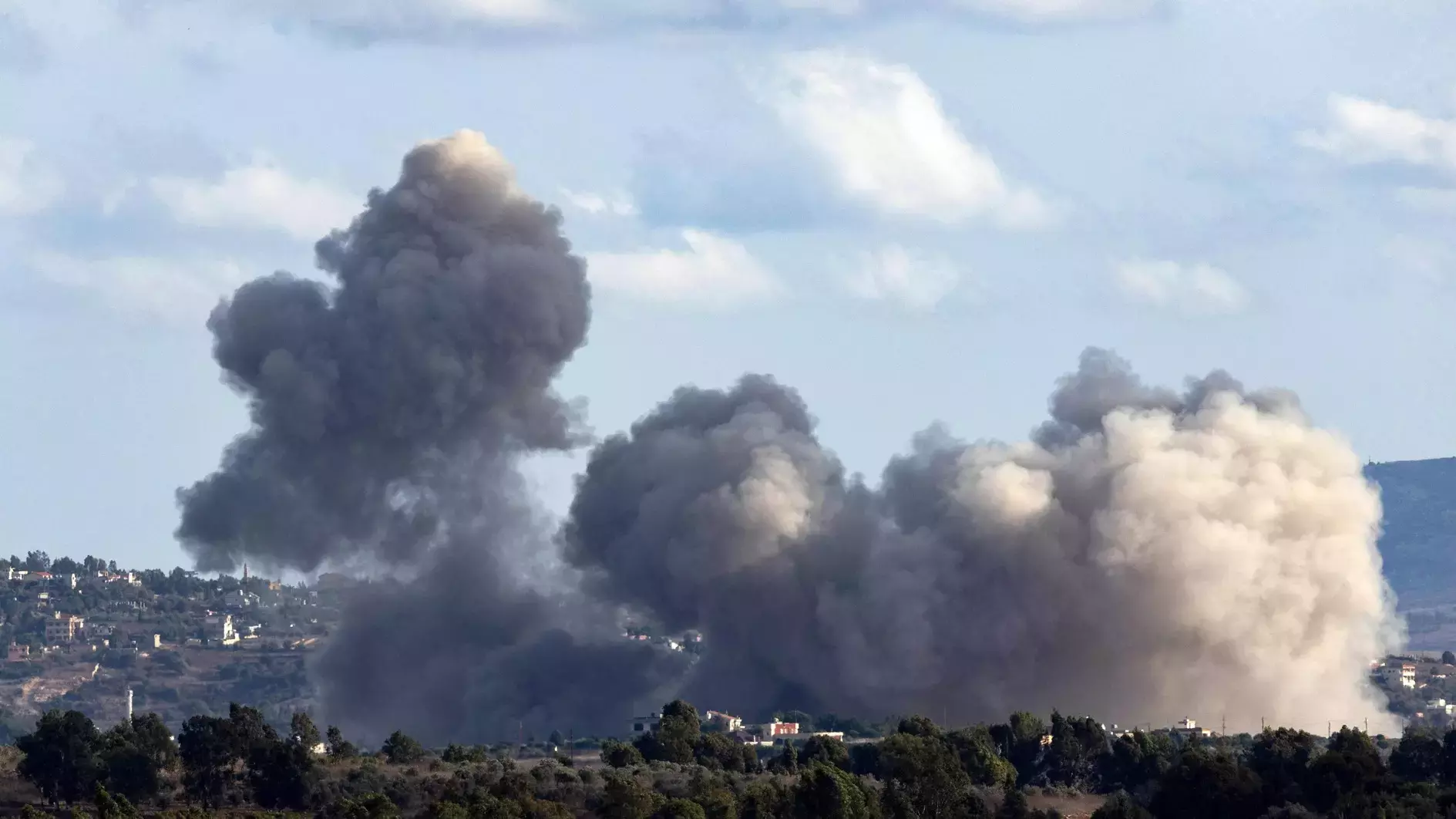
Hostilities between Hezbollah and Israel escalated on Sunday as both sides exchanged heavy fire across Lebanon’s southern border. Israeli airstrikes, some of the most intense in nearly a year, targeted Hezbollah positions, while the Iran-backed group launched rocket attacks on Israeli military targets in response. According to Israel’s military, approximately 290 Hezbollah targets were hit on Saturday, including rocket launchers.

Hezbollah claimed responsibility for striking Israel’s Ramat David Airbase with missiles, marking its deepest attack since hostilities began. In addition, Iran-backed Iraqi militants also claimed a drone strike on Israel early Sunday. Israeli air defenses intercepted most of the rockets and missiles, though some buildings were damaged, and a few people were treated for minor injuries.

This latest exchange follows an Israeli airstrike on Friday that killed 37 people, including senior Hezbollah figures, in a Lebanese suburb. Among the casualties were senior leaders Ibrahim Aqil and Ahmed Wahbi. Israel’s military said the strike targeted an underground meeting of Hezbollah commanders and nearly dismantled the group’s military chain of command.

Friday’s attack significantly escalated tensions, with Hezbollah retaliating by launching rockets at Israeli military facilities. Israeli Defense Minister Yoav Gallant announced the continuation of operations until the northern residents could safely return to their homes, signaling a protracted conflict.

U.S. officials, while expressing concern over the risk of further escalation, pointed out that the killing of Hezbollah’s leadership brought “justice” to the group. However, Hezbollah remains determined to fight until Israel agrees to a ceasefire in Gaza, where conflict with Hamas rages on.

Meanwhile, Lebanese Prime Minister Najib Mikati canceled his trip to the U.N. General Assembly in New York, as the situation worsened. Tensions remain high as both Hezbollah and Israel brace for further retaliation. Since the conflict between Hezbollah and Israel began in October, more than 740 people have died in Lebanon, marking the worst violence since the 2006 war.


Recent Explosions in Lebanon Linked to Israeli Covert Operations

In a series of deadly incidents, hundreds of pagers exploded simultaneously across Lebanon, resulting in multiple casualties and thousands of injuries. Reports indicate that these explosions were part of a coordinated operation involving Israel’s intelligence service, Mossad, and the Israeli military. Just a day later, additional walkie-talkies detonated, raising concerns about further attacks targeting the Iran-backed militant group Hezbollah.

Israel has a long history of conducting covert operations against perceived threats, particularly in its ongoing conflict with Hezbollah. Allegations of using explosives in telecommunication devices date back to 1972, following the Munich Olympics massacre, leading to “Operation Wrath of God,” a campaign aimed at tracking down those responsible for the attack.

One notable case involved Mahmoud Hamshari, a Palestine Liberation Organization (PLO) representative, whose home was infiltrated by operatives who planted a bomb in his phone. When Hamshari answered a call, the bomb was detonated remotely.

The recent pager explosions echo past high-profile assassinations, such as that of Yahya Ayyash, Hamas’ chief bombmaker, who was killed in 1996 when his cell phone detonated. This incident triggered a wave of retaliatory suicide bombings.

Since 2010, Israel has also targeted Iranian nuclear scientists, with several assassinations linked to covert operations. The 2010 Stuxnet cyberattack, which disrupted Iranian nuclear facilities, further illustrates Israel’s willingness to employ advanced technology in its intelligence efforts.

The assassination of Mohsen Fakhrizadeh, Iran’s chief nuclear scientist, exemplified the integration of cutting-edge technology and human intelligence, utilizing a remote-controlled machine gun in a carefully orchestrated attack.

In light of the recent explosions, speculation arose regarding potential cybersecurity breaches that could have caused the detonations. However, former NSA analyst David Kennedy suggested that the scale of the explosions indicates a more direct involvement, possibly involving human operatives embedded within Hezbollah’s supply chain to tamper with the devices.

The New York Times reported that Israel allegedly concealed explosives within pagers ordered from a Taiwanese manufacturer, designed to detonate remotely upon receiving a specific message. These incidents underscore the intricate interplay of intelligence operations and high-stakes geopolitics in the region.

While many of Israel’s covert operations rely on sophisticated technology, human intelligence remains crucial. Recent events highlight the complex landscape of security and counter-terrorism in the Middle East, where the lines between cyber warfare and traditional tactics blur.