Yazılar

Hong Kong Stocks Surge Over 5% for Sixth Consecutive Day Amid Stimulus Optimism

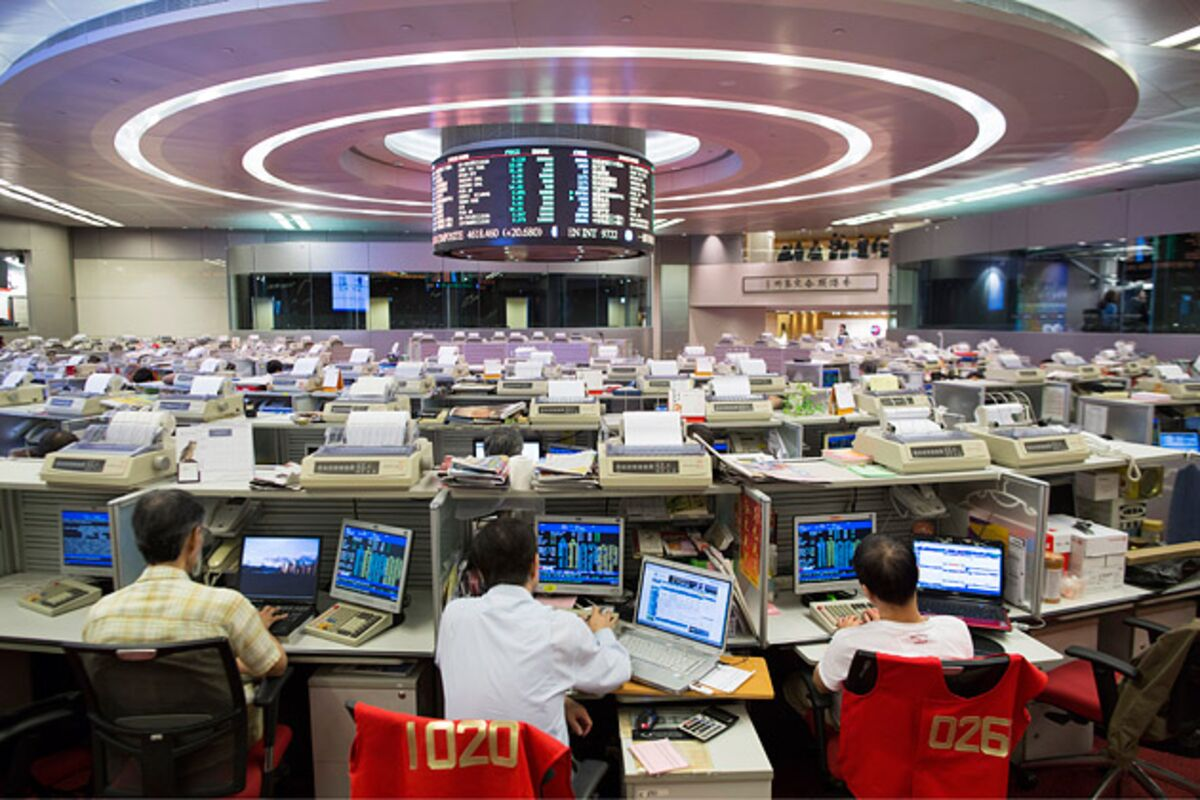
Hong Kong’s Hang Seng index surged more than 5% on Wednesday, reaching a 22-month high as optimism regarding Beijing’s latest stimulus measures continued to drive market momentum. This marks the sixth consecutive day of gains, largely fueled by significant advancements in the property sector.

Returning from a public holiday on Tuesday, traders witnessed property developers like China Vanke, Longfor Group, and Logan Group skyrocketing by over 40%, 32%, and 31%, respectively. This rally came after major cities in mainland China implemented easing measures aimed at boosting homebuyer confidence. Additionally, Chinese tech giants including Meituan, Baidu, and JD.com saw increases of over 10%.

With mainland Chinese markets closed for the Golden Week holiday, traders reflected on a strong Monday where Chinese stocks enjoyed their best performance in 16 years, following the announcement of various stimulus initiatives from Beijing. These measures included interest rate cuts, reduced reserve requirements for banks, and increased liquidity for investors.

However, James Sullivan of JPMorgan expressed caution regarding the sustainability of this market rally, pointing out that current stimulus measures seem to focus more on supply and investment rather than directly boosting consumer demand. “The million-dollar question in China right now is, does [the stimulus] only flow into the supply side of the equation, or does it ultimately flow through into consumer demand?” he remarked.

Mixed Performance Across Asia-Pacific Markets Despite Hong Kong’s rally, the broader Asia-Pacific markets exhibited mixed results on Wednesday. Australia’s S&P/ASX 200 dipped 0.13% to close at 8,198.2, while South Korea’s Kospi fell 1.22% to 2,561.69. Japan’s Nikkei 225 decreased by 2.18% to end at 37,808.76, with the Topix dropping 1.44% to 2,651.96.

The recent political developments in Japan, with Shigeru Ishiba taking over as Prime Minister, may influence the Bank of Japan’s monetary policies. Although Ishiba’s leadership might provide room for further interest rate hikes, newly appointed economy minister Ryosei Akazawa emphasized the need for cautious evaluation before making any adjustments.

South Korea Economic Data and Concerns In South Korea, traders were digesting consumer inflation data that indicated a rise of 1.6% in September, which was lower than economists’ expectations of 1.9%. Additionally, factory activity in South Korea contracted at its fastest pace in 15 months in September, highlighting concerns over slowing overseas demand.

Middle East Tensions Impacting Global Markets In U.S. markets, the Dow Jones Industrial Average fell by more than 173 points, while the S&P 500 and Nasdaq Composite declined by 0.93% and 1.53%, respectively, driven by rising tensions in the Middle East. Iran’s missile strikes on Israel and Israel’s ground operations in Lebanon have escalated conflict in the region.

Israeli Prime Minister Benjamin Netanyahu vowed retaliation, asserting that Iran would pay for its actions. Economist Stephen Roach warned that the ongoing conflict could lead to increased oil prices and inflation, prompting the U.S. Federal Reserve to reconsider its accommodative monetary policy amidst rising unemployment.

Investors are closely watching for the upcoming September jobs report, which will provide further insight into the U.S. labor market amid these turbulent conditions.
 

Israel Begins Ground Invasion of Lebanon with Targeted Raids on Hezbollah

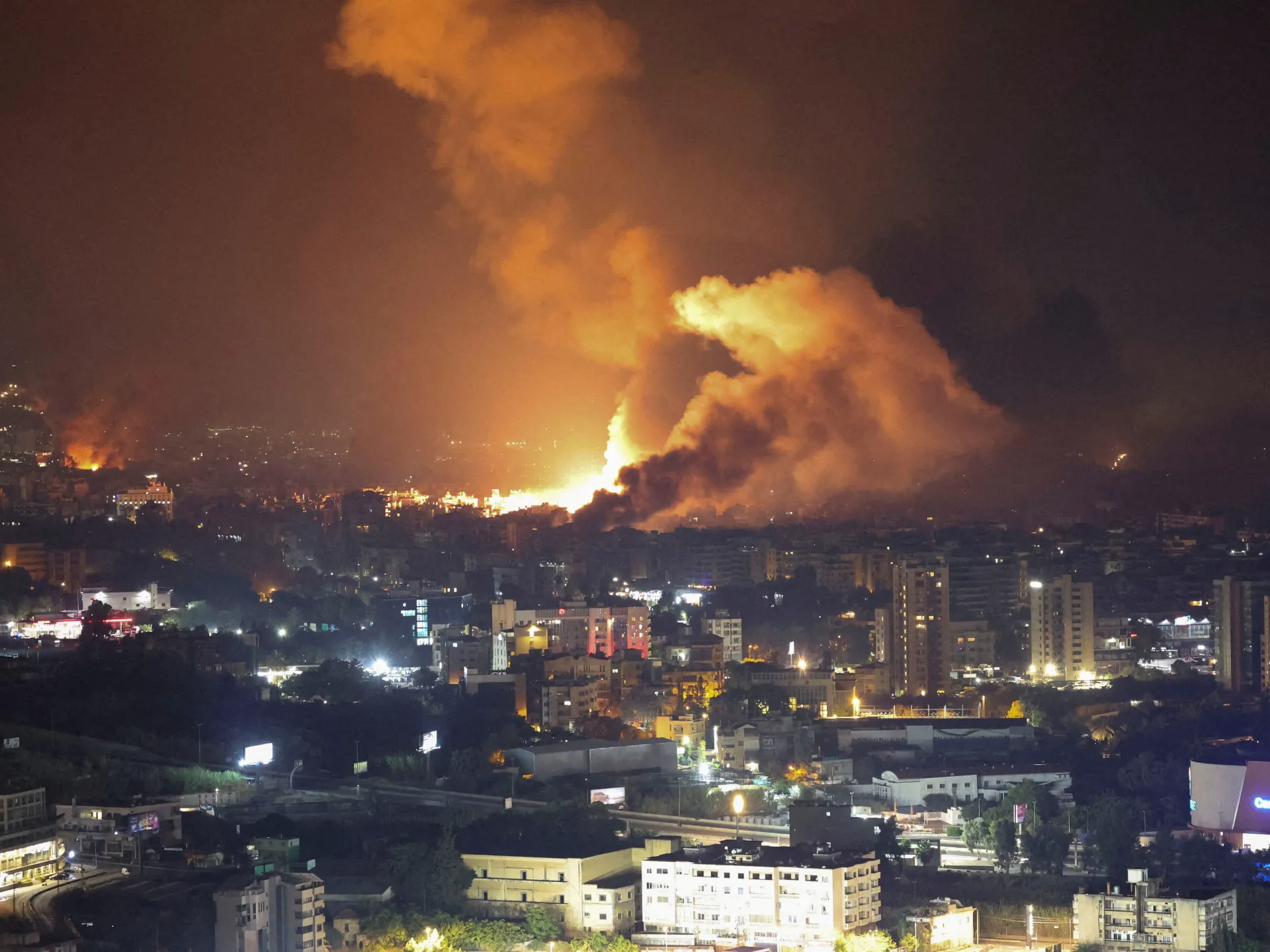
Israel initiated a ground invasion of Lebanon early Tuesday, conducting “limited, localized, and targeted” raids against Hezbollah positions near the border. The Israeli military stated these raids were aimed at Hezbollah forces that posed an “immediate threat” to northern Israeli communities. Supported by air force and artillery strikes, Israeli ground troops targeted southern Lebanese villages close to the border.

Heavy shelling and the presence of helicopters and drones were reported in the border towns of Aita al-Shaab and Rmeish, with flares lighting up the night sky. Local residents confirmed the intensity of the strikes. This invasion marks a significant escalation in the ongoing conflict between Israel and Iran-backed Hezbollah, with broader implications for the Middle East.

Israeli Defense Minister Yoav Gallant had earlier indicated the start of a new phase in the conflict along Lebanon’s southern border, aimed at restoring security to Israeli citizens displaced by nearly a year of Hezbollah rocket attacks. This conflict was initially triggered by an assault on Israel by Hamas on October 7, 2023, which has since drawn in Hezbollah and risks involving both the U.S. and Iran.

Strikes Expand Beyond Hezbollah The Israeli military also carried out a strike targeting Mounir Maqdah, commander of the Al-Aqsa Martyrs Brigade, in the Ain al-Hilweh Palestinian refugee camp. This was the first strike on the camp since hostilities began between Hezbollah and Israel nearly a year ago. The attack, which struck a building in the camp, left Maqdah’s fate unknown.

Meanwhile, in Syria, an Israeli airstrike killed three civilians in the capital Damascus, marking Israel’s intensified air raids on Iranian-linked targets in the region.

Death Toll Mounts As of Tuesday, Israeli airstrikes in Lebanon have killed approximately 1,000 civilians and forced one million people to flee, according to Lebanese government figures. Recent strikes have also targeted Beirut’s southern suburbs, killing 95 people and injuring 172 others within the past 24 hours, according to Lebanon’s health ministry.

Hezbollah has continued its rocket attacks, firing as deep as 150 km into Israeli territory. The group’s deputy leader, Naim Qassem, stated that Hezbollah forces are prepared for ground engagement and vowed to prevail, referencing their victory in the 2006 conflict.

U.S. Response and Ceasefire Proposals While the White House has yet to officially respond to Israel’s ground invasion, U.S. President Joe Biden called for a ceasefire on Monday, expressing concern over the intensifying conflict. Last week, Israel rejected a ceasefire proposal from the U.S. and France that aimed to provide a 21-day pause for diplomatic negotiations and to allow displaced civilians to return home.


Three Palestinian Leaders Killed in Israeli Strike in Beirut

On Monday, a Palestinian militant group reported that three of its senior leaders were killed in an Israeli airstrike targeting Beirut, marking the first attack within the city limits amid escalating tensions in the region. The Popular Front for the Liberation of Palestine (PFLP) confirmed that the strike occurred in the Kola district of Lebanon’s capital, hitting the upper floor of an apartment building. While Israel’s military did not immediately comment, witnesses described the destruction.

The incident is part of a wider escalation, with Israel launching a series of airstrikes against Hezbollah in Lebanon and the Houthi militia in Yemen. Israel’s actions have sparked fears of a broader regional conflict involving Iran and the United States, Israel’s main ally. Sunday saw intense airstrikes across Lebanon, with authorities reporting over 100 casualties from the strikes.

The conflict has already led to widespread displacement, with Lebanon’s Health Ministry reporting more than 1,000 deaths and 6,000 injuries in recent weeks. Displaced families are seeking refuge in various parts of Beirut, including its waterfront. The situation has drawn international concern, with U.S. President Joe Biden urging for diplomacy to avoid an all-out war in the Middle East, while reaffirming U.S. military presence in the region.