Yazılar

Lebanon Appeals to U.S. Amid Rising Israel-Hezbollah Conflict

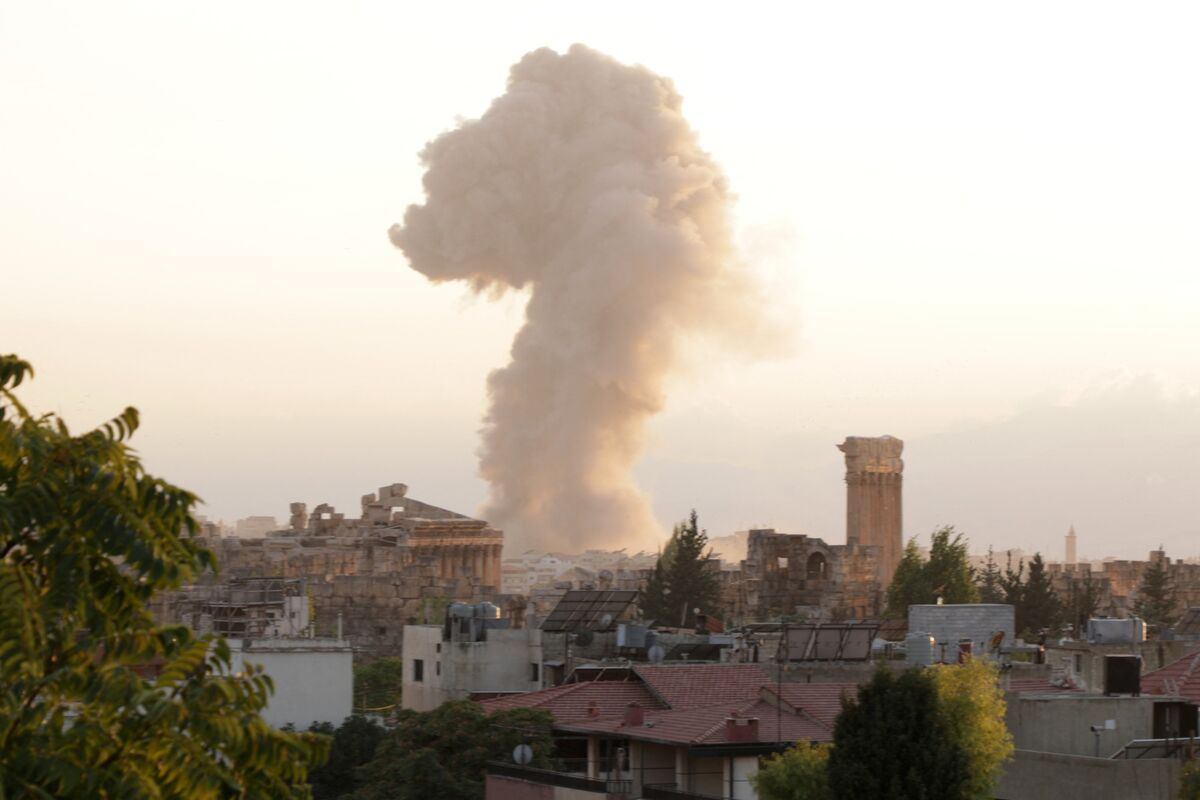
Amid escalating cross-border strikes between Israel and Hezbollah, Lebanon has called on the United States to intervene and stop the fighting, warning that the situation could spiral into full-scale war. On Tuesday, an Israeli airstrike in Beirut killed Hezbollah commander Ibrahim Qubaisi, heightening tensions and sparking fears of regional destabilization. Qubaisi, a key figure in Hezbollah’s missile and rocket force, was targeted amid an ongoing Israeli offensive that has killed over 569 people, including 50 children, and injured 1,835 in Lebanon, according to the Lebanese Health Minister.

The violence follows nearly a year of conflict between Israel and Hamas in Gaza, with fears growing that Hezbollah, an ally of Hamas, could further draw Lebanon into the conflict. The U.N. Security Council is set to meet on Wednesday to address the crisis. U.N. Secretary General Antonio Guterres warned that Lebanon was “at the brink,” stressing that a conflict in Lebanon could have catastrophic consequences similar to Gaza.

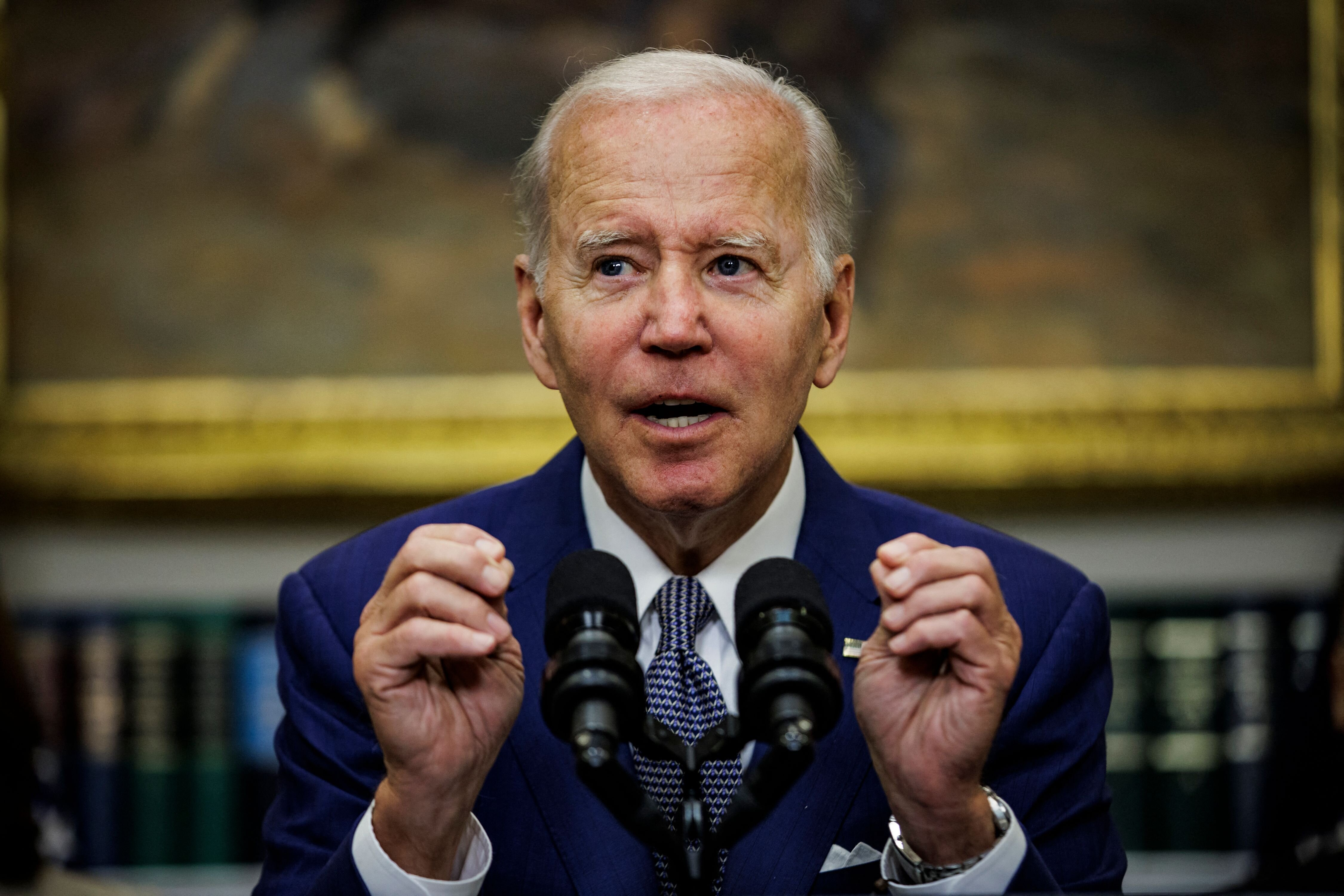
U.S. President Joe Biden, speaking at the U.N. General Assembly, called for restraint, noting that “full-scale war is not in anyone’s interest.” However, Lebanese Foreign Minister Abdallah Bou Habib criticized Biden’s remarks, urging stronger U.S. intervention and highlighting that Washington is key to halting the violence due to its close alliance with Israel.

Meanwhile, the humanitarian crisis in Lebanon is worsening. Displaced civilians from southern Lebanon are taking refuge in schools and shelters across Beirut. At a shelter in Bir Hassan, volunteers provided basic supplies for displaced families. Amid the growing toll, half a million people have been displaced, with many civilians struggling under extreme conditions.

Hezbollah and Israel continue to trade strikes. Israeli Defense Minister Yoav Gallant stated that Hezbollah had suffered significant losses, while Hezbollah claimed responsibility for attacks on Israeli military bases and launched drones at Israel’s Atlit naval base. The conflict shows no sign of abating, with diplomatic efforts from the U.S., Qatar, and Egypt failing to secure a ceasefire.

As international pressure mounts, Iranian President Masoud Pezeshkian called for a permanent ceasefire in Gaza and an end to what he described as Israeli “barbarism” in Lebanon. Israel, for its part, continues its air campaign, targeting Hezbollah and other Iranian-aligned groups in Syria. The situation remains volatile, with concerns that continued fighting could engulf the region in broader conflict.
Biden Administration Dismisses Prospects for Renewed Iran Nuclear Talks Amidst Tensions

The Biden administration has cast serious doubt on the likelihood of resuming nuclear negotiations with Iran, despite a recent signal from Iran’s supreme leader indicating a willingness to reengage in talks with the United States. The State Department has emphasized that any potential dialogue will be contingent on Iran demonstrating concrete actions rather than merely verbal assurances.

Ayatollah Ali Khamenei’s recent comments authorized Iran’s newly appointed president, Masoud Pezeshkian, to explore discussions with the U.S., but he cautioned against placing undue trust in Washington. The State Department responded by highlighting Iran’s ongoing nuclear escalations and its lack of cooperation with the International Atomic Energy Agency (IAEA) as significant barriers to effective diplomacy.

The administration remains committed to a negotiated solution as the preferred method to address Iran’s nuclear ambitions. However, officials acknowledge that the current lack of meaningful engagement from Tehran and the complexities of the upcoming U.S. presidential election are major obstacles to restarting negotiations. The political climate, particularly the potential impact on Vice President Kamala Harris’ and other Democrats’ election prospects, further complicates the situation.

Former President Donald Trump’s withdrawal from the 2015 Joint Comprehensive Plan of Action (JCPOA) and subsequent reimposition of sanctions on Iran has left the nuclear agreement in limbo. The current administration’s attempts to revive talks have faced significant setbacks, with initial optimism fading as discussions failed to advance.

In recent developments, Secretary of State Antony Blinken warned that Iran is nearing the capability to produce fissile material for a nuclear weapon. The administration continues to monitor the situation closely, amid broader regional tensions, including recent Israeli military actions in Lebanon.

The prospects for a new nuclear deal before President Biden’s term ends appear increasingly slim, casting doubt on his administration’s ability to fulfill its commitment to a “longer and stronger” agreement with Iran.


Israeli Strikes in the West Bank Kill at Least 10; Jenin Sealed Off Amid Ongoing Conflict

Israeli airstrikes in the West Bank have resulted in the deaths of at least 10 people, according to Palestinian officials. The Israel Defense Forces (IDF) have intensified their operations across the occupied West Bank, including a significant military presence in the city of Jenin, which has been completely sealed off. The city’s entry and exit points have been blocked, including access to hospitals, following a series of raids described by Israeli Foreign Minister Israel Katz as a “full-fledged war” against “Islamic-Iranian terrorist infrastructures.”

The IDF confirmed operations in Jenin and Tulkarm, and Palestinian sources report that seven people were killed in Tubas early Wednesday, with an additional two fatalities in Jenin. The victims in Jenin have been identified as Qassam Jabarin, 25, and Asem Balout, 39.

In response to the escalating conflict, armed factions of Hamas, Islamic Jihad, and Fatah have announced their engagement with Israeli forces. Clashes in the West Bank have intensified since the 7 October attacks and the subsequent invasion of Gaza, leading to frequent vigilante-style attacks by Israeli settlers on Palestinian communities.

In a separate development, the IDF announced the elimination of five individuals in Nur Shams on Monday, describing them as terrorists. This includes Jibril Jasan Ismail, who was reportedly released in a November 2023 agreement, as well as Mohanad Qarawi, Muhammad Yussef, and Adnan Jaber.

The violence has resulted in significant casualties on both sides. The Palestinian Health Ministry reports at least 637 deaths in the West Bank since early October, including armed fighters, stone-throwing youths, and civilians. In contrast, Israeli reports indicate at least 30 Israeli fatalities in Jerusalem and the West Bank during the same period.

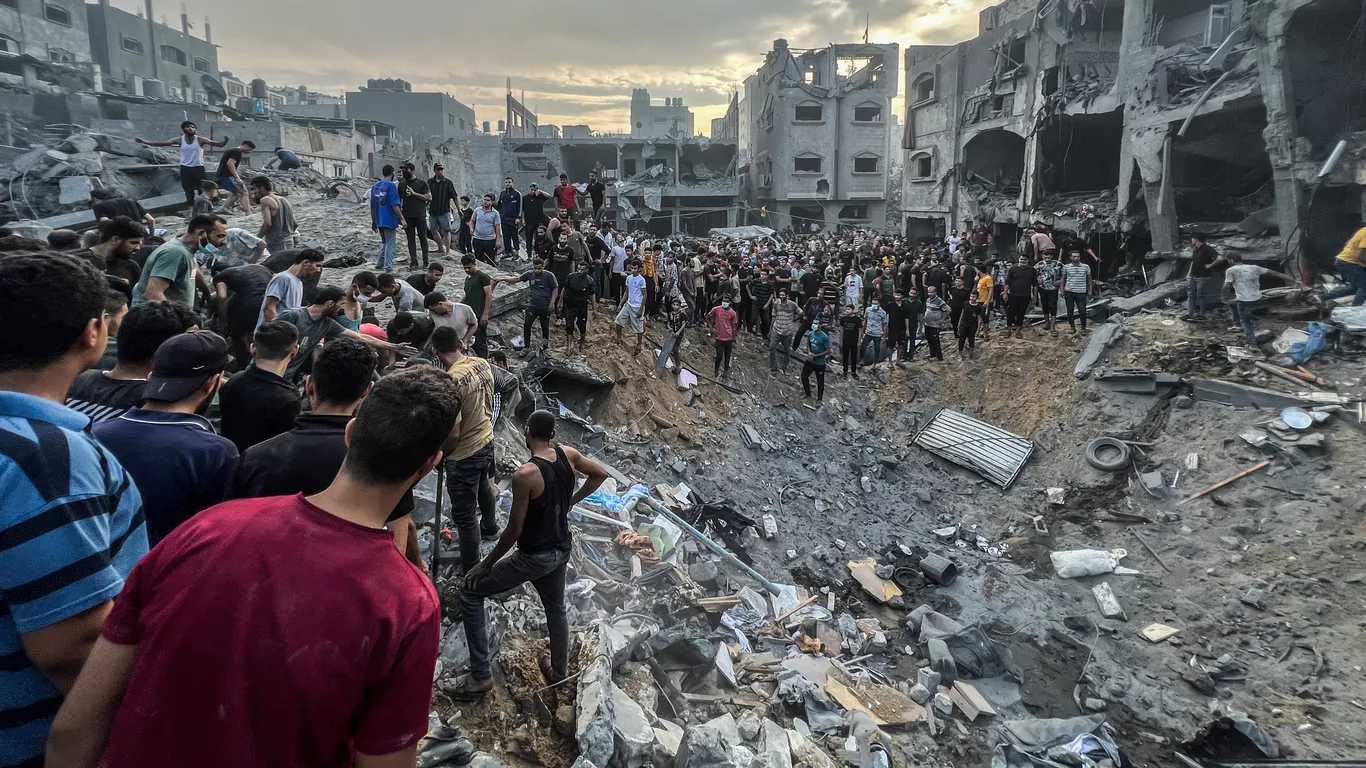
In Gaza, Israeli strikes have also claimed at least 16 lives in Khan Younis, including five women and three children. The fatalities include a brother and sister, and their relative, who died in their home. Additionally, a late-night airstrike in central Gaza resulted in the deaths of local journalist Mohamed Abdrabu and his sister.