Taylor Swift Endorses Kamala Harris for President, Encourages Fans to Get Involved
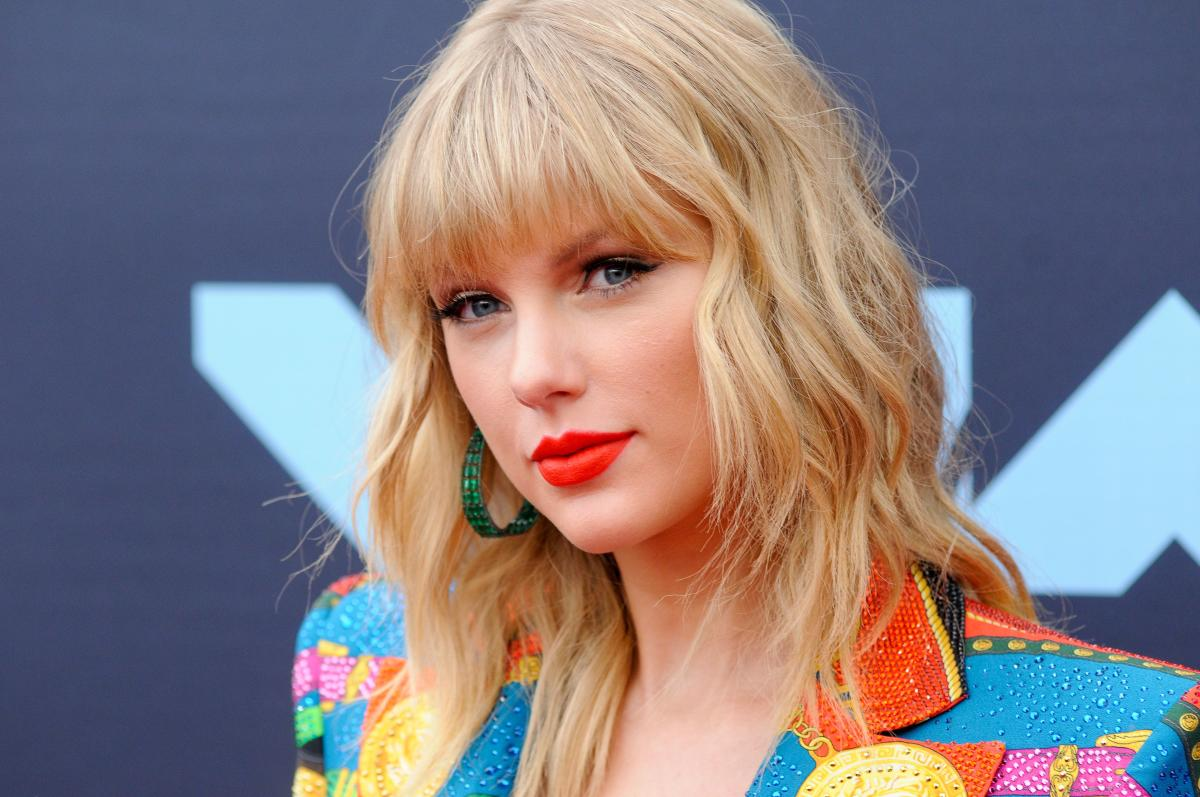
On Tuesday, pop superstar Taylor Swift publicly endorsed Vice President Kamala Harris for president in the 2024 election. This move ended speculation about Swift’s political stance leading up to the November election, marking her continued involvement in political advocacy.
After watching the recent debate between Harris and former President Donald Trump, Swift took to Instagram to share her support. “Like many of you, I watched the debate tonight,” she wrote. “It’s a great time to do your research on the candidates. I’ve done mine, and I’ll be voting for Kamala Harris and Tim Walz in the 2024 Presidential Election.”
Swift addressed a recent AI-generated video falsely depicting her endorsing Trump, a moment that she said highlighted her fears about misinformation. “The best way to fight misinformation is with the truth. I will be casting my vote for Kamala Harris,” she said, directly clearing up any confusion.
Harris became the Democratic nominee in August after President Joe Biden exited the race, naming Minnesota Governor Tim Walz as her running mate. In her endorsement, Swift praised Harris and Walz for their leadership and commitment to issues she cares deeply about, such as LGBTQ+ rights and reproductive freedoms.
“I’m voting for @kamalaharris because she fights for the rights and causes I believe need a warrior to champion them,” Swift stated. “Her choice of Tim Walz as running mate reassures me that they’re the team who will keep fighting for progress.”
Swift, who had previously backed Joe Biden and Harris in 2020, has been increasingly vocal about political issues since her endorsement of Democratic candidates in 2018. Known for advocating for women’s rights and LGBTQ+ issues, she also emphasized the importance of voter registration and early voting, especially encouraging first-time voters.
Swifties, as her dedicated fan base is known, have already mobilized in support of Harris. An online group, Swifties for Kamala, has raised over $122,000 for Harris’ campaign since its formation in August. Though Swift is not directly affiliated with the group, her influence on young voters remains a powerful force in the 2024 election cycle.