Yazılar

Pennsylvania Nuns Falsely Accused of Voter Fraud Speak Out

In Pennsylvania, a Republican canvasser’s claims of widespread voter fraud sparked controversy after he alleged that 53 voters were registered at an address linked to a local Catholic church, yet no one lived there. The truth? Those voters are actually 55 nuns residing at the Benedictine Sisters of Erie.

A Misunderstanding Turns Viral

Cliff Maloney, founder of The Pennsylvania Chase, shared his findings on X, suggesting a scandal of electoral fraud. However, the nuns’ bustling monastery, which has been a community staple since the 1850s, paints a very different picture. Sister Annette Marshall reflected on the absurdity of the situation, stating, “We’ve always been very vocal about peace and justice… But I’ve never heard us accused of fraud.”

The Benedictine Sisters have deep roots in Erie, moving to their current facility in 1969, partly funded by their own musical group reminiscent of “Sister Act.” Their dedication to community service has earned them a respected place in Erie.

Combating Misinformation

Maloney leads a conservative initiative to encourage mail-in voting among Republicans, while also spreading baseless allegations about election security. Local officials are actively countering the misinformation that runs rampant on social media, including Maloney’s accusations. Pennsylvania Secretary of State Al Schmidt publicly commended Sister Stephanie Schmidt for standing up against disinformation.

Maloney did not respond to requests for comment from CNN.

Navigating Election Season

As Pennsylvania approaches another critical election cycle, the eyes of the nation are fixed on Erie County, which has swung between Democratic and Republican candidates in recent elections. Sister Stephanie emphasized that while they encourage voting, the Benedictine Sisters maintain a nonpartisan stance, allowing each sister to vote according to her conscience.

Many sisters have already submitted their ballots, while others plan to vote in person on Election Day. Despite their busy lives—often filled with social work and community involvement—they remain dedicated to participating in the democratic process.

Responding to Accusations

Following Maloney’s claims, the sisters strongly refuted the assertion that they are non-existent. Sister Diane Cook recounted how they would have readily provided a list of residents had the canvasser made an effort to engage with them. “We’re not a group that’s just going to let them walk all over us like that,” she declared.

With rising tensions surrounding mail-in voting and electoral integrity, accusations of fraud can have serious implications. Maloney’s narrative gained traction when retweeted by America PAC, further amplifying the false claims.

A Call for Accountability

The Benedictine Sisters understand the ramifications of social media and have publicly called for Maloney to retract his statement. They expressed that a simple apology could resolve the matter, but Sister Cook remains skeptical of his willingness to acknowledge the error.

“I’d like to get him out here and show him the house and get him to understand what the community does,” she said, underscoring their commitment to transparency and community engagement.

Misinformation on Facebook Alarms Officials as 2024 Elections Near

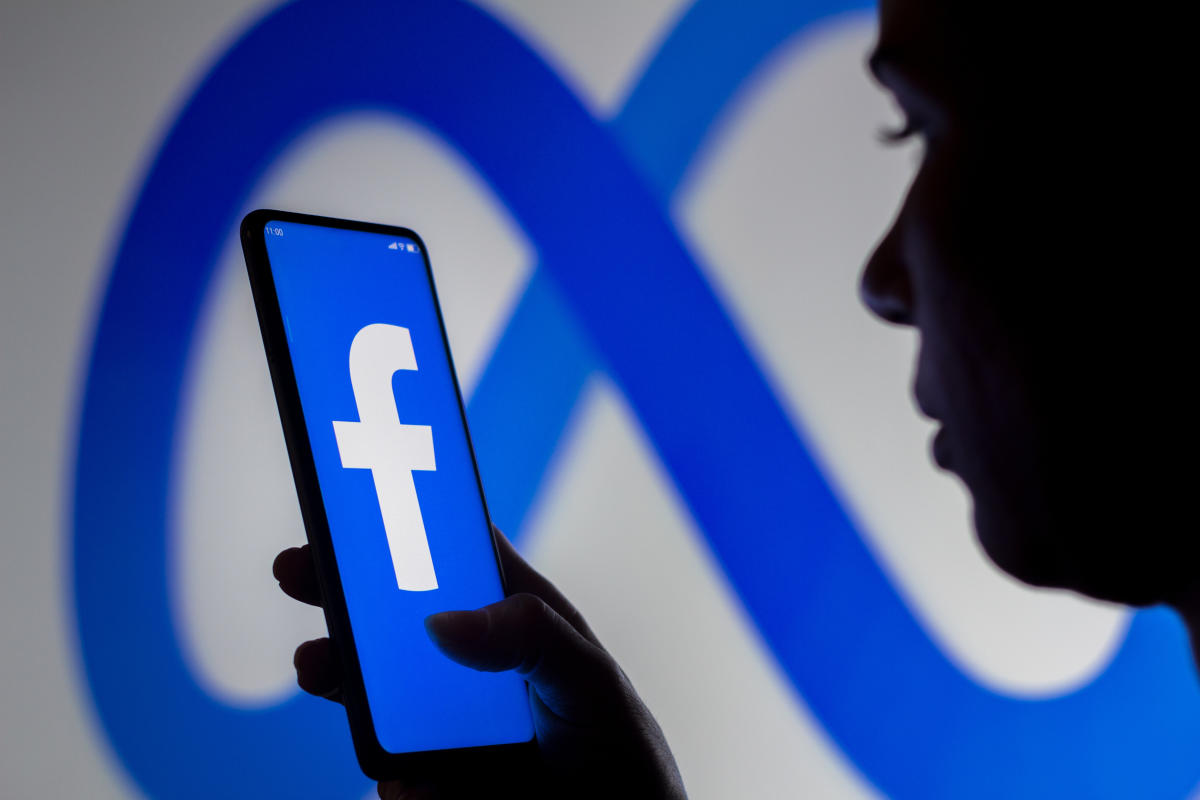
Election officials across the U.S. are increasingly concerned about the spread of misinformation on Facebook as the country heads into the critical 2024 presidential election. In Durham County, North Carolina, Derek Bowens, the director of elections, faced a crisis when viral posts falsely claimed that voters should request new ballots if a poll worker writes on them, rendering the ballots invalid. This misinformation, which also spread during the 2020 election, has resurfaced without fact-checking labels on Facebook.

Despite previous efforts to flag such content, Bowens and other officials have seen a lack of timely intervention from Meta, Facebook’s parent company. The North Carolina State Board of Elections had to issue a press release to counter the misinformation. However, many false posts continue to circulate in North Carolina and other states like Mississippi and New Jersey without warnings or corrections. Meta stated that it has sent flagged content to third-party fact-checkers, but election officials are still frustrated by the platform’s insufficient efforts to prevent the spread of false information.

Across the nation, with just 40 days until the November 5 elections, election officials are worried about how misinformation might disrupt the voting process. While Facebook scaled back the promotion of political content on its platform after the 2020 election, misleading posts still spread quickly, often outpacing official responses. Bowens and his colleagues, as well as officials in swing states like Arizona and Wisconsin, are finding it increasingly difficult to use social media effectively to provide accurate information.

In Maricopa County, Arizona, communication director Taylor Kinnerup noted that false claims about voter fraud from 2020 still plague the county’s social media feeds. Despite efforts to increase transparency and communication, Kinnerup’s team struggles with Meta’s limited engagement and unresponsive support systems. Many local election offices are also dealing with technical issues when using Meta’s apps, such as unlinked Facebook and Instagram accounts that prevent simultaneous posts.

Meta, which has cut back its trust and safety teams during multiple rounds of layoffs since 2021, continues to promote its integrity efforts and partnerships with fact-checking groups worldwide. However, state and local officials like Bowens and Kinnerup report little direct communication or assistance from Meta in addressing election misinformation.

Officials warn that the risks go beyond the presidential race, with down-ballot races also vulnerable to interference, as regional and local election systems often have less protection. Congressional representatives, including Sen. Susan Collins, have expressed concerns about foreign actors targeting these races with disinformation.

As the November elections approach, election officials across the country are working overtime to combat the spread of misinformation, but many feel under-supported by tech companies like Meta. With election integrity at stake, they urge greater collaboration and proactive measures to prevent further disruptions.


Taylor Swift Endorses Kamala Harris for President, Encourages Fans to Get Involved

On Tuesday, pop superstar Taylor Swift publicly endorsed Vice President Kamala Harris for president in the 2024 election. This move ended speculation about Swift’s political stance leading up to the November election, marking her continued involvement in political advocacy.

After watching the recent debate between Harris and former President Donald Trump, Swift took to Instagram to share her support. “Like many of you, I watched the debate tonight,” she wrote. “It’s a great time to do your research on the candidates. I’ve done mine, and I’ll be voting for Kamala Harris and Tim Walz in the 2024 Presidential Election.”

Swift addressed a recent AI-generated video falsely depicting her endorsing Trump, a moment that she said highlighted her fears about misinformation. “The best way to fight misinformation is with the truth. I will be casting my vote for Kamala Harris,” she said, directly clearing up any confusion.

Harris became the Democratic nominee in August after President Joe Biden exited the race, naming Minnesota Governor Tim Walz as her running mate. In her endorsement, Swift praised Harris and Walz for their leadership and commitment to issues she cares deeply about, such as LGBTQ+ rights and reproductive freedoms.

“I’m voting for @kamalaharris because she fights for the rights and causes I believe need a warrior to champion them,” Swift stated. “Her choice of Tim Walz as running mate reassures me that they’re the team who will keep fighting for progress.”

Swift, who had previously backed Joe Biden and Harris in 2020, has been increasingly vocal about political issues since her endorsement of Democratic candidates in 2018. Known for advocating for women’s rights and LGBTQ+ issues, she also emphasized the importance of voter registration and early voting, especially encouraging first-time voters.

Swifties, as her dedicated fan base is known, have already mobilized in support of Harris. An online group, Swifties for Kamala, has raised over $122,000 for Harris’ campaign since its formation in August. Though Swift is not directly affiliated with the group, her influence on young voters remains a powerful force in the 2024 election cycle.