Yazılar

China Unveils Broad Stimulus Measures to Revive Economy

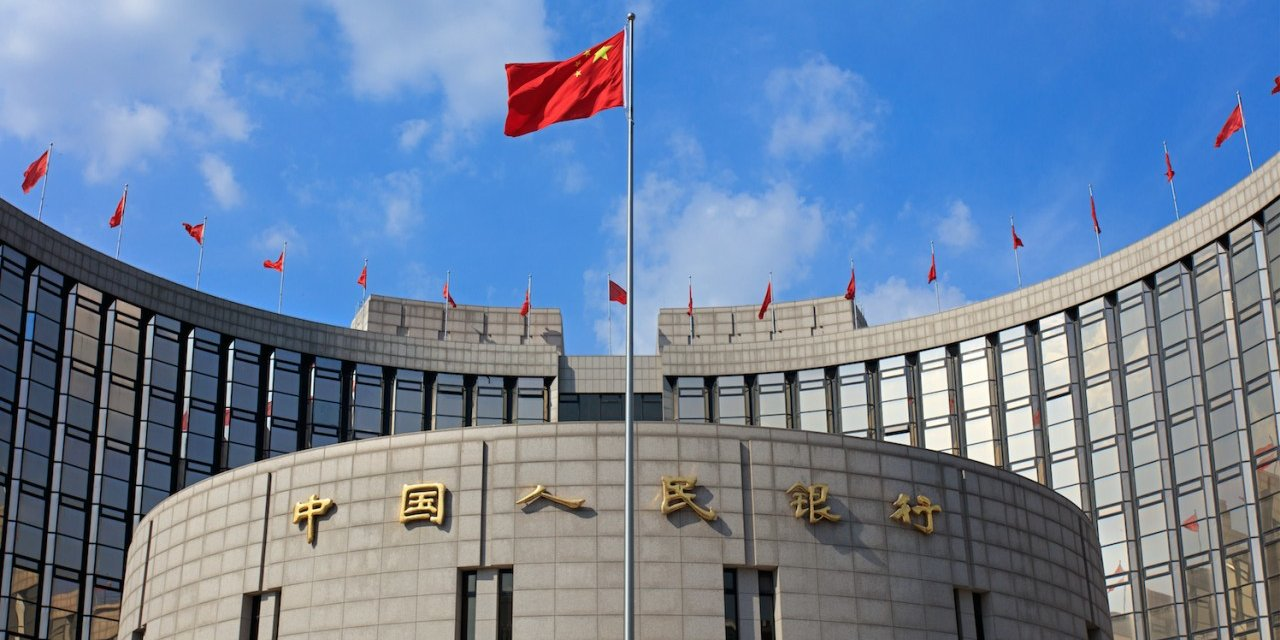
China’s central bank announced wide-ranging monetary stimulus and property market measures on Tuesday, aiming to revive an economy facing deflationary pressures and at risk of missing its growth target for the year. The People’s Bank of China (PBOC) revealed plans to lower borrowing costs, increase liquidity, and ease the burden of mortgage repayments for households, marking the latest attempt to restore confidence in the world’s second-largest economy after months of disappointing economic data.

Stocks and bonds in China rallied as Governor Pan Gongsheng outlined the measures, which include cutting banks’ reserve requirement ratios (RRR) by 50 basis points (bps). This move will free up around 1 trillion yuan ($141.93 billion) for new lending, though credit demand remains weak. The PBOC will also lower the seven-day repo rate by 0.2 percentage points to 1.5%, and reduce the medium-term lending facility rate by 30 basis points. Loan prime rates will also see a 20-25 bps cut.

The property market, a major driver of China’s economy, received further support with a 50 bps reduction in average interest rates for existing mortgages and a reduction in the minimum down payment to 15% for all types of homes. China’s property market has been in decline since its peak in 2021, and the crisis has heavily impacted consumer confidence, with 70% of household savings tied to real estate.

Despite earlier efforts to lower mortgage rates and downpayment requirements, demand for homes remains weak, and prices continue to fall. August’s economic data missed expectations, adding urgency to the stimulus package. Analysts warn, however, that these measures may not be sufficient to fully restore growth unless complemented by stronger fiscal policies.

Local governments have accelerated bond issuance to fund infrastructure projects, and analysts expect further support measures in the coming weeks as China aims to meet its roughly 5% growth target for the year. The recent U.S. Federal Reserve rate cut has provided room for the PBOC to ease its own monetary policies without putting too much pressure on the yuan.

Analysts, including those from investment banks such as Goldman Sachs and UBS, have already downgraded their growth forecasts for 2024, but they see Tuesday’s measures as a positive step towards economic recovery. ING’s Chief Economist for Greater China, Lynn Song, believes there is potential for further easing in the coming months, especially if global central banks continue cutting rates.

 

BOJ Keeps Interest Rates Steady, Upgrades View on Consumption Signaling Confidence in Economic Recovery

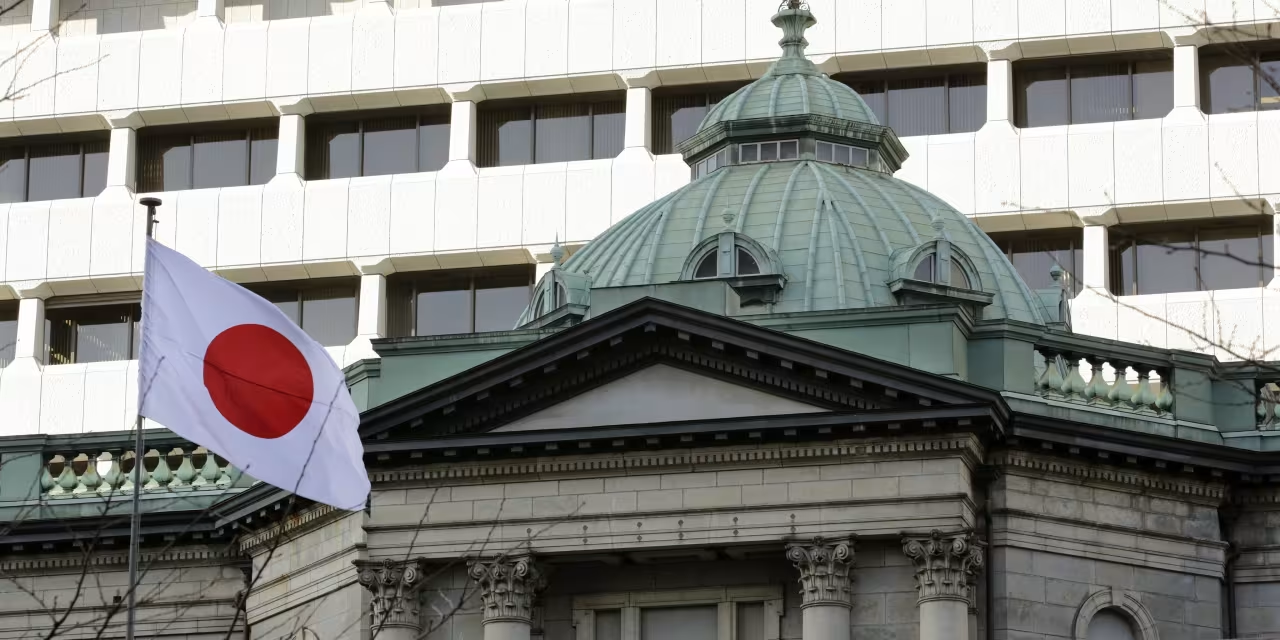
The Bank of Japan (BOJ) maintained its interest rates unchanged on Friday, while offering a more optimistic view on private consumption. This move reflects the central bank’s confidence that Japan’s economic recovery is progressing, potentially allowing for another interest rate hike in the near future. The decision, widely anticipated by market watchers, keeps short-term interest rates at 0.25%, marking the conclusion of the two-day meeting.

In its post-meeting statement, the BOJ noted that private consumption is “on a moderate increasing trend,” an upgraded assessment from previous reports that described consumption as resilient. This shift suggests that the central bank sees a stronger economic trajectory, despite headwinds from rising prices. The yen responded by paring losses, while the Nikkei average saw some gains shrink, as markets interpreted the central bank’s positive outlook as a sign of a possible rate hike soon.

Analysts believe this upgraded view reflects growing confidence that wage increases will support household spending, offsetting the impact of inflation. Naomi Muguruma, chief bond strategist at Mitsubishi UFJ Morgan Stanley Securities, stated, “If upcoming data further supports the BOJ’s optimistic outlook, we could see another rate hike as early as December.”

Japan has been dealing with accelerated inflation, with core consumer prices rising 2.8% in August, marking the fourth consecutive month of increases. This sustained inflation, alongside an annualized GDP growth of 2.9% in the second quarter and rising real wages, has fueled expectations of further interest rate hikes. The next opportunity for the BOJ to reassess its projections will come during its October 30-31 meeting, where the board will review its quarterly forecasts.

The BOJ’s decision to maintain its current rate stands in contrast to other major central banks, such as the U.S. Federal Reserve, which has recently shifted toward reducing borrowing costs. Governor Kazuo Ueda has maintained a hawkish stance, indicating that the BOJ is prepared to raise rates again if inflation continues to meet the bank’s 2% target.

Despite Japan’s domestic economic strength, external challenges loom, including weaker demand from China and slower growth in the U.S. Moreover, recent volatility in the yen and stock market fluctuations are key concerns for BOJ policymakers. However, the central bank has reiterated its readiness to implement further rate hikes, with some members advocating for a gradual increase in short-term rates to around 1% over time.


UK Inflation Holds Steady in August, Meeting Expectations

Inflation in the U.K. remained stable in August, according to data released by the Office for National Statistics (ONS) on Wednesday, aligning with predictions from analysts. The headline consumer price index (CPI) remained at 2.2%, the same as July’s figure and in line with forecasts from a Reuters poll. This steady reading follows 2% CPI rates in both May and June, matching the Bank of England’s (BoE) target.

Following the news, the British pound rose slightly by 0.18%, trading at $1.3183 early Wednesday morning.

Services Inflation Rises:
One area of particular interest to the BoE is services inflation, which increased from 5.2% in July to 5.6% in August. The rise in this category is closely watched as it reflects domestic price pressures. Core inflation, which excludes volatile items like energy, food, alcohol, and tobacco, also rose, hitting 3.6%, up from 3.3% in July.

According to the ONS, the largest upward pressure on prices came from higher airfares, which increased significantly compared to last year. However, motor fuel prices, along with hotel and restaurant costs, saw notable declines.

Monetary Policy Outlook:
The BoE is scheduled to meet on Thursday for its next monetary policy decision. While there were earlier bets of a second consecutive 25 basis point rate cut, these predictions have since been revised downward, with traders now placing the probability at 28%.

Richard Carter, head of fixed interest research at Quilter Cheviot, noted that while recent economic data pointed to stagnation in the U.K.’s output and a slowdown in wage growth, the stickiness of core inflation complicates the BoE’s decision-making process. Carter suggested that the BoE might adopt a more cautious approach compared to the U.S. Federal Reserve, which has maintained a more aggressive stance.

Ruth Gregory, deputy chief U.K. economist at Capital Economics, shared similar concerns about the rise in services inflation, predicting that upward pressure on prices could persist, especially with potential increases in utility costs on the horizon. Gregory expects the BoE to hold off on further rate cuts until November, with additional cuts likely to be spaced out until mid-2025.

Economic Planning and Inflation Management:
Ahead of the U.K.’s Autumn Statement, set for October 30, the new Labour government will present its budget plans. Chief Secretary to the Treasury, Darren Jones, acknowledged that while inflation is becoming more manageable, substantial efforts are still needed to address deeper economic challenges.