Yazılar

European Central Bank Set to Slash Interest Rates Ahead of U.S. Federal Reserve’s Decision

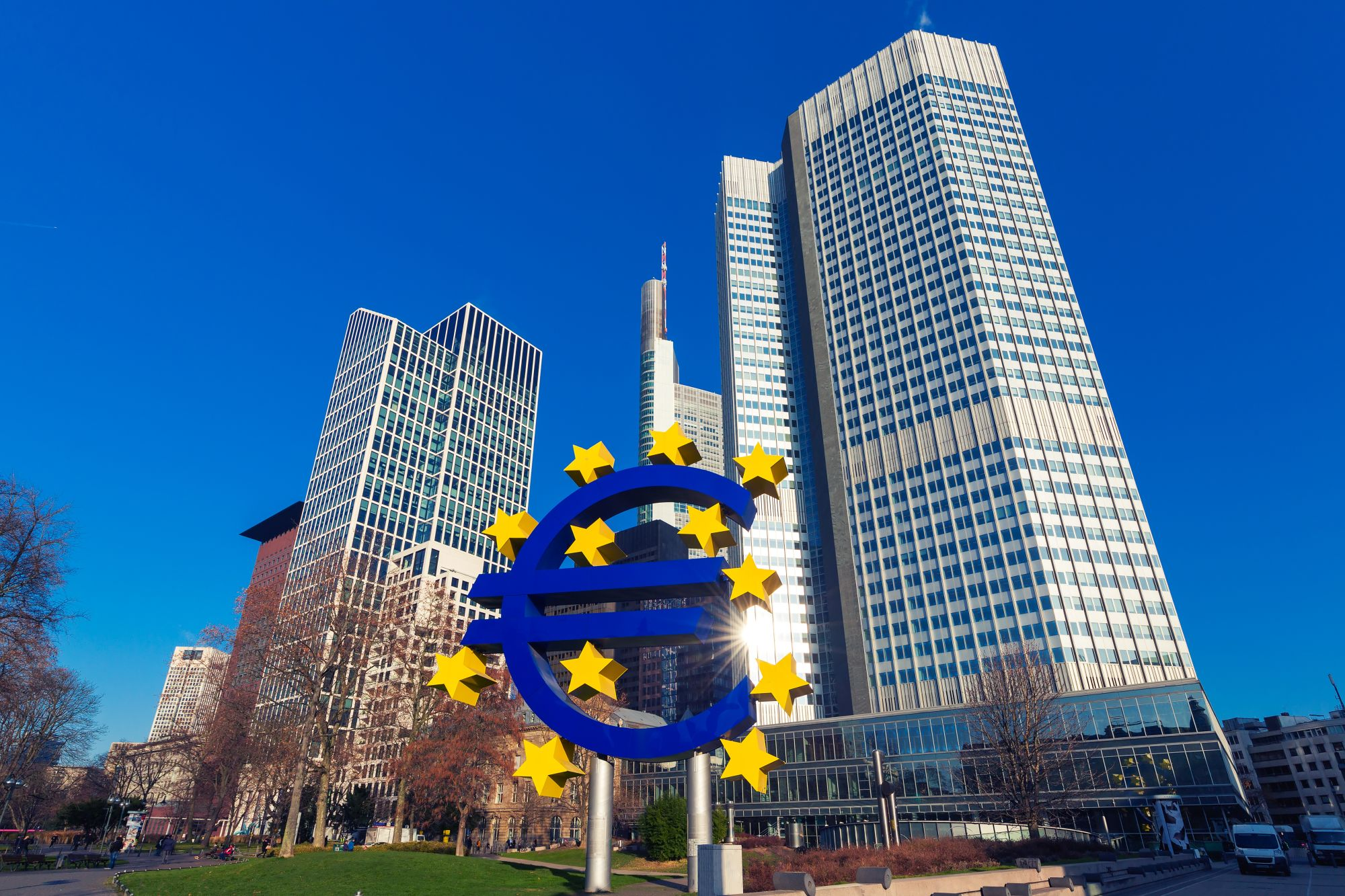
The European Central Bank (ECB) is expected to cut interest rates by 25 basis points this Thursday, just days before the U.S. Federal Reserve (Fed) begins its own rate-cutting cycle. This move follows a series of aggressive rate hikes in the euro area, as both central banks respond to shifting economic conditions and inflationary pressures.

According to market expectations, the Fed is likely to follow suit with its own rate cut during its upcoming meeting on September 17-18. While the ECB’s decision has been widely anticipated, the Fed’s move could mark the start of a broader trend of monetary easing in advanced economies.

Holger Schmieding, chief economist at Berenberg Bank, described the ECB’s decision as “largely uncontroversial,” noting that recent remarks from ECB officials, including Bundesbank President Joachim Nagel, have indicated broad support for a rate cut. The ECB’s current interest rate sits at 3.75%, following years of aggressive rate hikes aimed at controlling inflation, but with recent inflation data showing a decline, the central bank is ready to shift gears.

Inflation in the eurozone has softened, with headline figures in August reaching a three-year low of 2.2%. However, core inflation remains slightly elevated at 2.8%, driven by the services sector. The ECB’s rate cut is seen as a response to these mixed signals, as well as to concerns about weakening domestic demand and slowing confidence in key economic sectors.

The ECB is also expected to release updated staff projections this Thursday, but analysts don’t foresee major revisions to inflation or growth figures. However, some economists, such as Anatoli Annenkov from Société Générale, warn that the outlook for growth may be more pessimistic than it was in July, with weakening confidence and sluggish demand raising concerns about the broader economic landscape.

As the ECB prepares to act, attention will shift to what comes next. While the central bank is likely to pause rate cuts in October, there is an outside chance that further reductions could come sooner. ECB Chief Economist Philip Lane has hinted at the possibility of a faster rate-cutting cycle to avoid the risks of keeping rates too high for too long. He also stressed that the ECB needs to ensure inflation stays at its 2% target once it reaches that level, avoiding both over- and undershooting the mark.

With the ECB navigating these complexities, the central bank’s moves are being closely watched as it seeks to balance growth concerns with inflationary pressures across the euro area.


 

China’s Consumer Inflation Rises in August as Producer Price Deflation Deepens, Driven by Weather Disruptions

China’s consumer inflation rose in August to its highest rate in six months, primarily driven by rising food costs due to extreme weather conditions, including floods and heatwaves, rather than a recovery in domestic demand. The consumer price index (CPI) increased by 0.6% year-on-year in August, slightly up from July’s 0.5%, but fell short of economists’ forecasts of 0.7%. The spike in food prices, which surged 2.8% from the previous year, was attributed to weather-related disruptions affecting 1.46 million hectares of crops, according to the National Bureau of Statistics (NBS). Despite the increase in CPI, core inflation, which excludes volatile food and fuel prices, dropped to its lowest level in nearly three and a half years, signaling underlying deflationary concerns. The producer price index (PPI), a key gauge of industrial profitability, fell by 1.8% in August, marking the largest decline in four months and exacerbating concerns about deflationary pressures. Economists attribute this to a persistent production surplus and weak demand. China’s yuan weakened and stock markets fell as economic worries intensified. Calls for further fiscal and monetary easing are growing, as analysts warn that existing policies, including a $41 billion national campaign to boost consumer confidence, have so far been insufficient to stimulate demand.

The Peak Interest Rate Era Is Ending: What Investors Are Watching Next

Global central banks are entering a new phase, shifting from historically high interest rates towards easing monetary policy as inflation shows signs of cooling. The U.S. Federal Reserve, European Central Bank (ECB), Bank of England (BoE), and other major institutions are preparing to cut rates this fall, signaling an end to an era of elevated borrowing costs.

As markets anticipate multiple rate cuts by the Fed before year-end, analysts see central banks across Europe and beyond adopting similar moves, even as they grapple with sticky inflation in the services sector. For example, data suggest the ECB and BoE could each implement at least three 25 basis point cuts over the coming months.

For investors, this lower-rate environment points to potential stock market volatility and sector rotation, especially in tech, AI, and other high-growth industries. The U.S. labor market remains a focal point, with upcoming jobs reports key to shaping the Fed’s trajectory. The risk of a U.S. soft landing remains high, with investors eyeing inflation trends and potential shocks like U.S. tariff changes if political dynamics shift.

In currency markets, inflation and rate expectations will continue to drive moves, particularly for the euro and U.S. dollar. While global rate cuts may support growth in equities, particularly through 2025, economic data and geopolitical events will influence both volatility and market positioning.

Investors are watching closely as central banks navigate this delicate balance between rate cuts and inflationary pressures while gauging the implications for long-term growth.