
Yazılar

Firefly Aerospace Teams Up with Blue Origin’s Honeybee Robotics for 2028 Lunar Mission

Firefly Aerospace announced on Monday that it has partnered with Honeybee Robotics, a unit of Jeff Bezos’ Blue Origin, to supply a rover for its third lunar mission set for 2028. This mission will focus on studying the Gruithuisen Domes, a unique volcanic formation on the moon’s near side, to uncover insights into the moon’s geological history and resources.

The Gruithuisen Domes are believed to be rich in silica, a rare composition on the lunar surface. Investigating these formations could provide crucial data for future human exploration and resource extraction on the moon.

The collaboration between Firefly and Honeybee Robotics highlights the growing trend of using established space technologies to enhance lunar exploration efforts, especially within a competitive space exploration market.

Firefly’s first lunar lander mission, Blue Ghost Mission 1, made a successful landing on the moon earlier this month, marking the first commercial lunar mission to operate for two weeks, surpassing previous commercial mission durations. This mission delivered 10 NASA instruments and operated until March 16. The upcoming 2028 mission will build upon this success by using Firefly’s Blue Ghost lander and Elytra Dark orbital vehicle, along with the Honeybee Robotics rover, as part of NASA’s Commercial Lunar Payload Services initiative.
NASA’s Lunar Trailblazer Faces Power and Communication Challenges

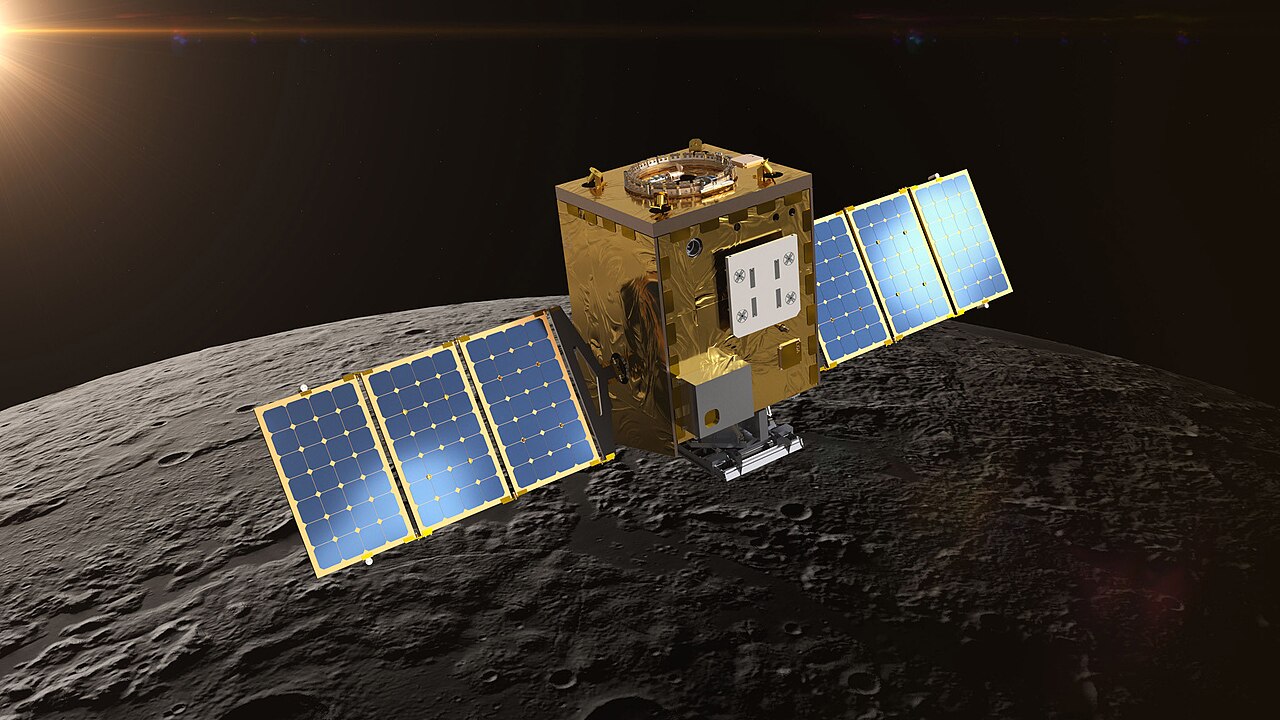
NASA’s Lunar Trailblazer, a small satellite designed to map water ice on the Moon, is facing significant technical challenges following its launch on February 26. The spacecraft, developed as part of a collaboration between NASA and Caltech, has lost contact with ground control and is experiencing power shortages. Prior to losing signal, engineering data indicated that the probe was slowly spinning in space, which has compromised its ability to generate enough power from its solar panels. Despite ongoing recovery efforts, no signal has been received in over a week.

NASA’s Jet Propulsion Laboratory (JPL) reported that ground-based radar data from March 2 suggests Lunar Trailblazer remains in a low-power state. Efforts to locate and reestablish communication with the spacecraft include utilizing NASA’s Deep Space Network and other observatories to track its position. The loss of contact has prevented the satellite from executing its post-launch trajectory correction maneuvers, which are crucial for reaching and maintaining a stable lunar orbit. Engineers are exploring alternative recovery strategies in hopes of salvaging the mission.

Lunar Trailblazer is part of NASA’s SIMPLEx (Small Innovative Missions for Planetary Exploration) program, which prioritizes cost-effective missions while accepting a higher level of operational risk. Built by Lockheed Martin, the 200-kilogram spacecraft was designed to detect and map lunar water ice by analyzing reflected light. Mission operations are managed by Caltech, with Lockheed Martin providing technical assistance. The first signs of trouble emerged shortly after deployment, when communication was initially lost on February 27. A brief signal was received later, but sustained contact has not been reestablished.

The ongoing difficulties with Lunar Trailblazer highlight the challenges of operating small satellites in deep space. While cost-effective, such missions can face significant risks, particularly when relying on limited power sources and autonomous systems. The situation remains uncertain, but recovery efforts continue in the hope of restoring communication and enabling the spacecraft to fulfill its mission objectives.

Athena Lunar Lander Achieves Successful Touchdown Near Moon’s South Pole on IM-2 Mission

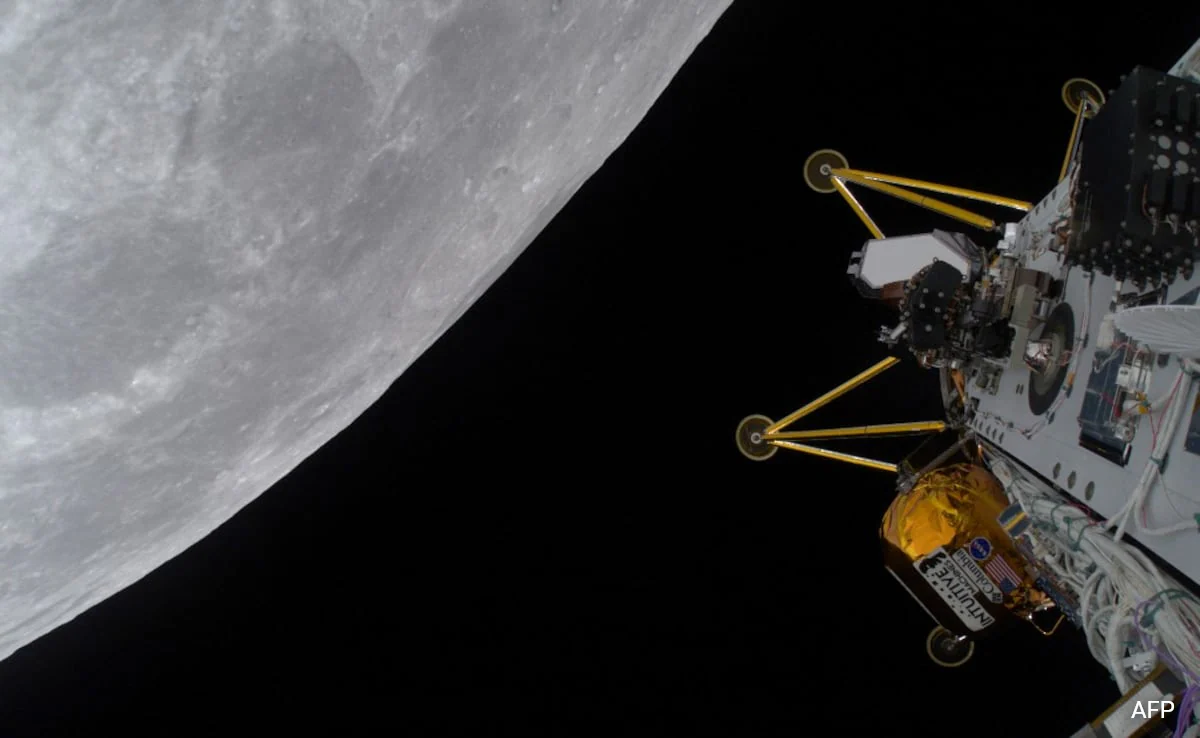
The Athena lunar lander, developed by Intuitive Machines, has successfully landed near the Moon’s south pole as part of the IM-2 mission. While the spacecraft has reached the lunar surface, mission controllers are still assessing its precise condition and orientation. The landing, which took place on March 6 at 12:32 p.m. EST, marks a significant milestone for NASA’s Commercial Lunar Payload Services (CLPS) initiative. The mission aims to deploy scientific instruments that will explore lunar resources and test new technologies for future exploration efforts. A post-landing press conference is scheduled to provide further updates on the lander’s status.

Mission and Landing Details

The IM-2 mission was launched on February 26 aboard a SpaceX Falcon 9 rocket from NASA’s Kennedy Space Center in Florida. Athena entered lunar orbit on March 3, and due to the precision of its approach, no additional course corrections were necessary. The lander’s descent involved automated maneuvers, including Terrain Relative Navigation and Hazard Detection and Avoidance, to ensure a safe landing at Mons Mouton, a region near the Moon’s south pole believed to contain ice deposits.

Scientific Objectives and Technology Demonstrations

Athena carries several payloads designed to analyze the lunar environment and potential resources. Among its key objectives is the study of water ice deposits that could support future lunar missions. The lander also includes technology demonstrations for autonomous landing systems and communication relays, which could benefit upcoming human and robotic missions to the Moon. If fully operational, Athena will provide crucial data that will help shape future exploration strategies.

Future Lunar Exploration Efforts

The success of Athena’s landing is an important step in advancing commercial lunar exploration. Intuitive Machines, along with other private companies, is playing a key role in NASA’s Artemis program, which aims to establish a sustained human presence on the Moon. As mission controllers assess Athena’s status, scientists and engineers are eager to begin analyzing the data collected from the lander’s instruments. If all systems are functioning as intended, Athena could contribute valuable insights into the Moon’s geology and its potential for supporting long-term exploration.