Yazılar

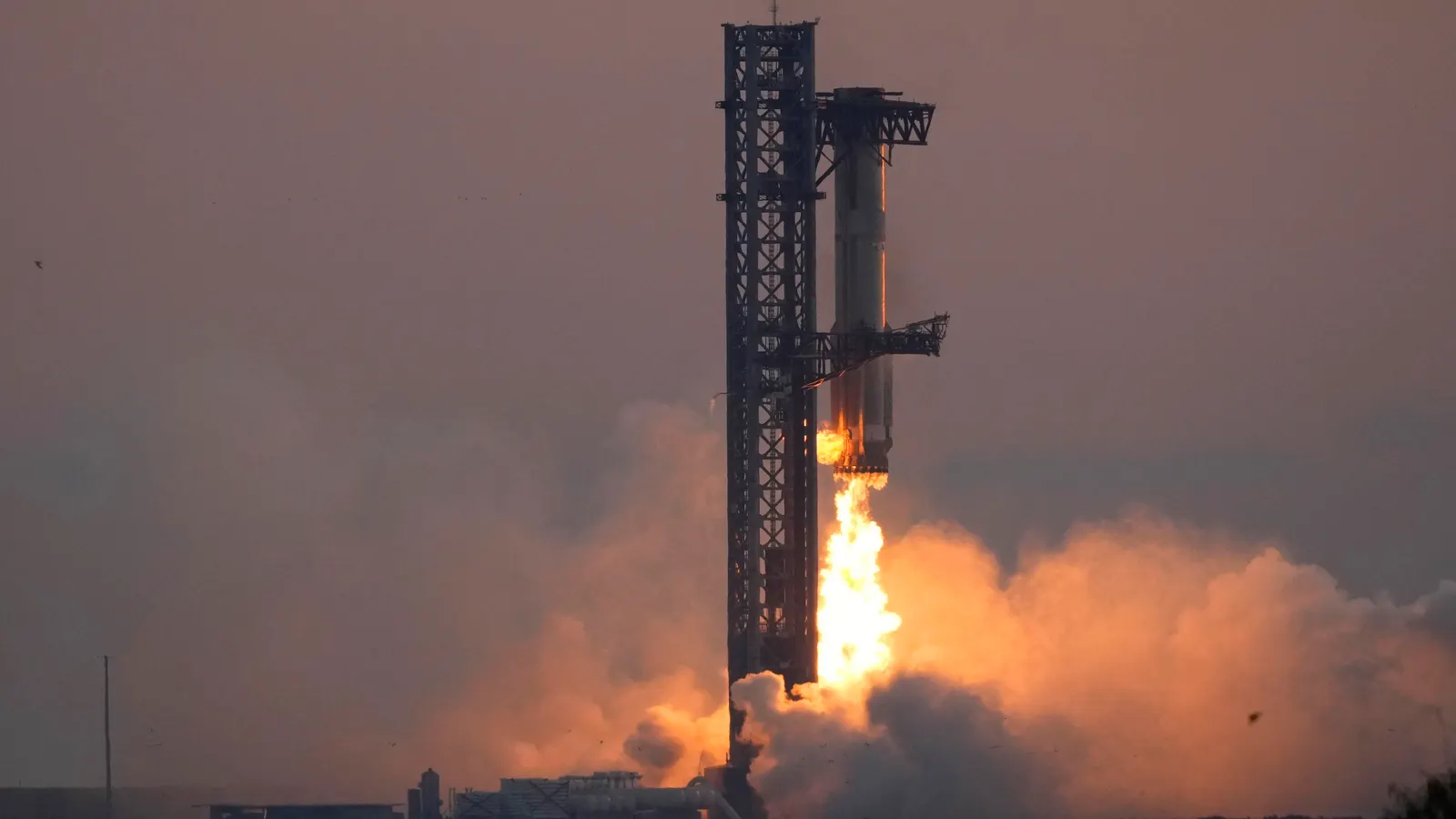
SpaceX Plans to Retry ‘Chopsticks’ Rocket Catch in Upcoming Starship Launch

SpaceX is preparing for the highly anticipated launch of its massive Starship rocket from South Texas, scheduled for Tuesday. This critical test mission, which marks the sixth major trial for the Starship program, is set to draw significant attention. One notable aspect of the launch is the expected visit from President-elect Donald Trump, signaling the importance of this event both for SpaceX and its political connections.

The launch comes at a time when SpaceX CEO Elon Musk is deeply involved in the transition planning for Trump’s second term. Musk has been an influential figure in Trump’s circle since the November 5 election, and his support for the Republican administration has been attributed to concerns over regulations, particularly those affecting the development of the Starship rocket. Musk has voiced concerns about excessive regulation and its impact on the advancement of cutting-edge technologies like Starship, which has been central to SpaceX’s vision for space exploration.

Scheduled for a 30-minute launch window beginning at 4 p.m. local time, the mission will see Starship attempt a bold flight, sending the rocket into space and partially orbiting the Earth. This mission is considered a crucial step in SpaceX’s plans to eventually make Starship a fully reusable spacecraft capable of missions to the Moon, Mars, and beyond. The test will assess various elements of the vehicle’s design and performance, providing invaluable data for future launches.

As SpaceX continues to push the boundaries of space exploration, the Starship launch is expected to be a pivotal moment for both the company and the broader aerospace industry. With political backing from the Trump administration and ongoing technical advancements, SpaceX aims to solidify its position as a leader in the quest for interplanetary travel. The outcome of this mission will likely play a key role in shaping the future of space exploration.
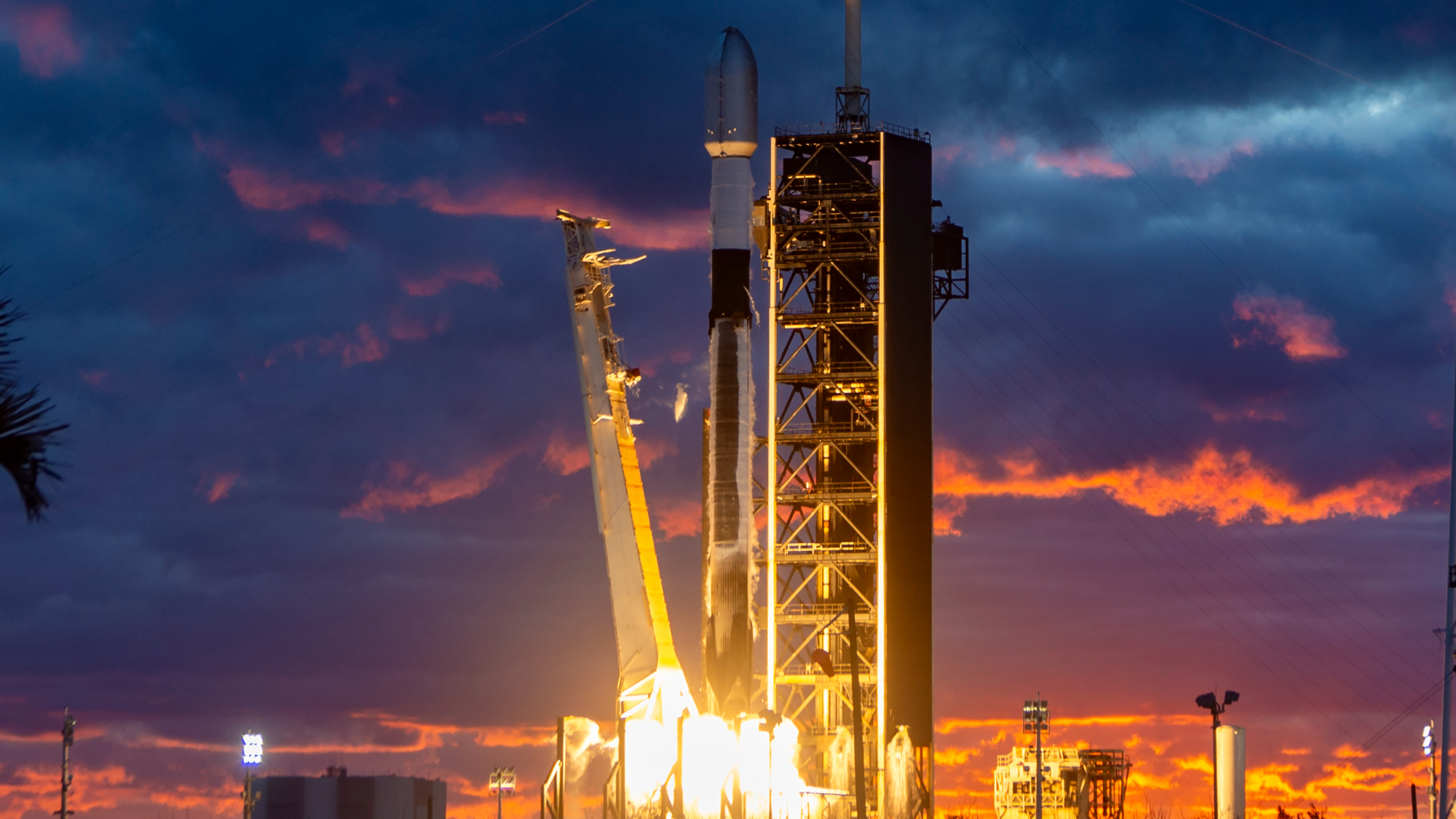

SpaceX Successfully Deploys Optus-X Telecom Satellite from Florida

SpaceX Falcon 9 rocket successfully launched the Optus-X telecommunications satellite from NASA’s Kennedy Space Center in Florida. The liftoff, which occurred at 5:28 PM EST, coincided with a stunning sunset, creating a visually spectacular event for onlookers. Commissioned by Australian telecom provider Optus, the satellite aims to enhance communication services once operational in geostationary orbit, a region critical for global telecommunications and broadcasting.

Following the launch, the Falcon 9’s reusable first stage executed a controlled landing on SpaceX’s autonomous droneship, A Shortfall of Gravitas, stationed in the Atlantic Ocean. This achievement marked the 16th successful flight and recovery for this particular booster, underlining SpaceX’s commitment to cost-effective and sustainable spaceflight. Of its 16 missions, nine have been dedicated to deploying Starlink satellites, SpaceX’s own constellation for global internet coverage.

The Optus-X satellite is set to travel to a geostationary orbit approximately 22,236 miles (35,786 kilometers) above the Earth’s equator. The Falcon 9 rocket delivered it to a geosynchronous transfer orbit, an intermediary step from which the satellite will use its onboard propulsion system to reach its final position. Geostationary orbit allows satellites to maintain a fixed position relative to the Earth’s surface, making it ideal for consistent telecommunications coverage.

This launch underscores SpaceX’s role as a leading provider of satellite deployment services for commercial clients around the world. For Optus, the deployment of Optus-X represents a significant step forward in enhancing its network capabilities, enabling improved connectivity for customers in Australia and beyond. With its successful launch and innovative booster recovery, SpaceX continues to push the boundaries of modern rocketry and satellite deployment.

NASA and German Satellites Show Global Freshwater Levels Have Been Dropping Since 2014

Global freshwater reserves have been on a steady decline since May 2014, according to a comprehensive study conducted by an international team using NASA and German satellites. Data from the Gravity Recovery and Climate Experiment (GRACE) mission revealed a marked reduction in the amount of freshwater stored on land, including in lakes, rivers, and underground aquifers. The findings, published in Surveys in Geophysics, suggest that this ongoing decrease may signal a shift towards drier conditions worldwide, affecting regions from Asia to North America.

The study quantified the loss of freshwater between 2015 and 2023, revealing a decrease of 290 cubic miles compared to the average levels recorded from 2002 to 2014. This loss is more than twice the volume of Lake Erie, a startling statistic that underscores the severity of the situation. Contributing factors to this freshwater reduction include prolonged droughts and the growing reliance on groundwater for agricultural and urban needs. The overuse of groundwater, particularly for irrigation and drinking water, depletes reserves faster than they can be naturally replenished. A 2024 United Nations report warned of the societal risks posed by these diminishing water supplies, including famine, poverty, and the increased reliance on unsafe water sources.

In addition to human activities, the effects of climate change are also playing a significant role in the depletion of freshwater. Rising global temperatures are exacerbating the loss of water by intensifying evaporation and increasing the atmosphere’s capacity to hold moisture. According to Michael Bosilovich, a meteorologist at NASA Goddard, this leads to more extreme rainfall events, but these are often interspersed with longer dry periods that reduce soil absorption. This cycle of extreme weather patterns results in more frequent and severe droughts, further aggravating water shortages.

The implications of these findings are profound, signaling not only a decrease in available freshwater but also potential consequences for agriculture, ecosystems, and human health. As the global population continues to grow and climate change accelerates, the management and conservation of freshwater resources will become ever more critical in ensuring a sustainable future.