Yazılar

U.S. Lawmakers Introduce Bipartisan Bill to Prevent AI Chip Smuggling to China

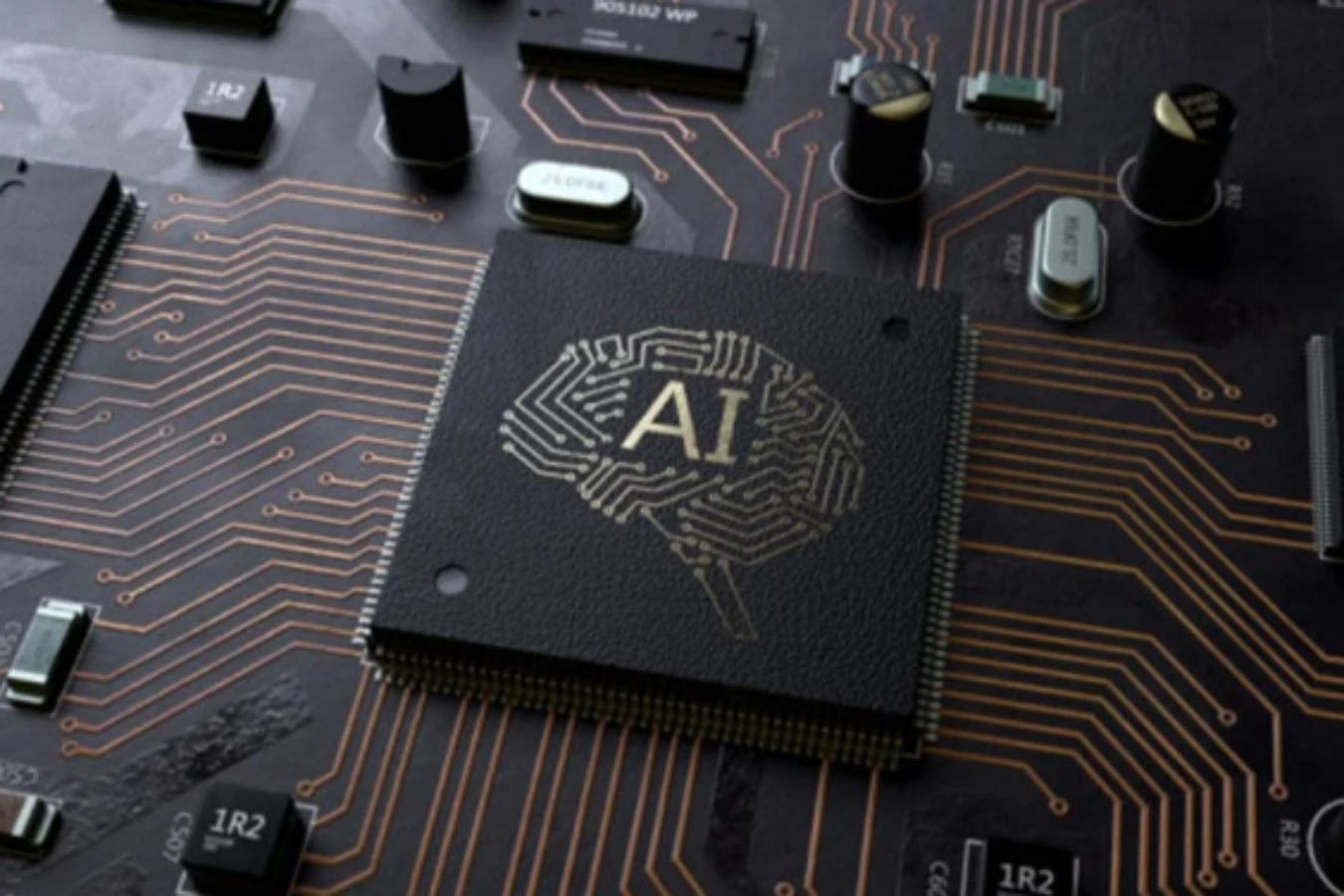
A bipartisan group of eight U.S. lawmakers has introduced the Chip Security Act, a bill that would require AI chipmakers like Nvidia to implement location verification technology in their hardware to help prevent export-controlled chips from being smuggled into China or reaching other restricted regions.

The legislation, introduced Thursday in the U.S. House of Representatives, is a response to growing evidence that U.S.-origin AI chips are still reaching China, despite existing export controls enacted under both the Biden and Trump administrations.

What the Bill Proposes:

  • Mandates AI chip manufacturers to embed technology that can verify the geographic location of each chip before or during operation.

  • Aims to close loopholes in enforcement of U.S. export restrictions on advanced AI chips.

  • Targets unauthorized resales or re-routing of chips through third-party countries.

Sponsors and Political Support:

  • Rep. Bill Huizenga (R-MI), lead sponsor, said the measure is key to protecting U.S. technological advantage and keeping chips away from “nefarious actors.”

  • Rep. Bill Foster (D-IL), a physicist and chip designer turned legislator, co-led the bill, noting that the U.S. has technical tools to prevent powerful AI technology from getting into the wrong hands.”

  • Other co-leads and sponsors include:

    • Rep. John Moolenaar (R-MI), Chair of the House Select Committee on China

    • Rep. Raja Krishnamoorthi (D-IL), Ranking Member

    • Rep. Ted Lieu (D-CA)

    • Rep. Rick Crawford (R-AR), Chair of the House Intelligence Committee

    • Rep. Josh Gottheimer (D-NJ)

    • Rep. Darin LaHood (R-IL)

A similar version of the bill was introduced last week in the Senate by Sen. Tom Cotton (R-AR).

Policy Context:

The proposal follows President Donald Trump’s decision to rescind a Biden-era rule designed to regulate global flows of advanced AI chips. Though the Trump administration has not issued a replacement framework, it has actively promoted AI chip deals in the Middle East, raising concerns among national security officials about oversight and end-use compliance.

The legislation is expected to rekindle debate in Washington over how best to enforce export restrictions in an era when hardware is easily resold or re-exported through global gray markets.

If passed, the Chip Security Act would represent one of the first legislative attempts to embed compliance into hardware design, rather than relying solely on export documentation and customs enforcement.
Rogue Communication Devices Found in Chinese Solar Inverters Spark Global Security Alarm

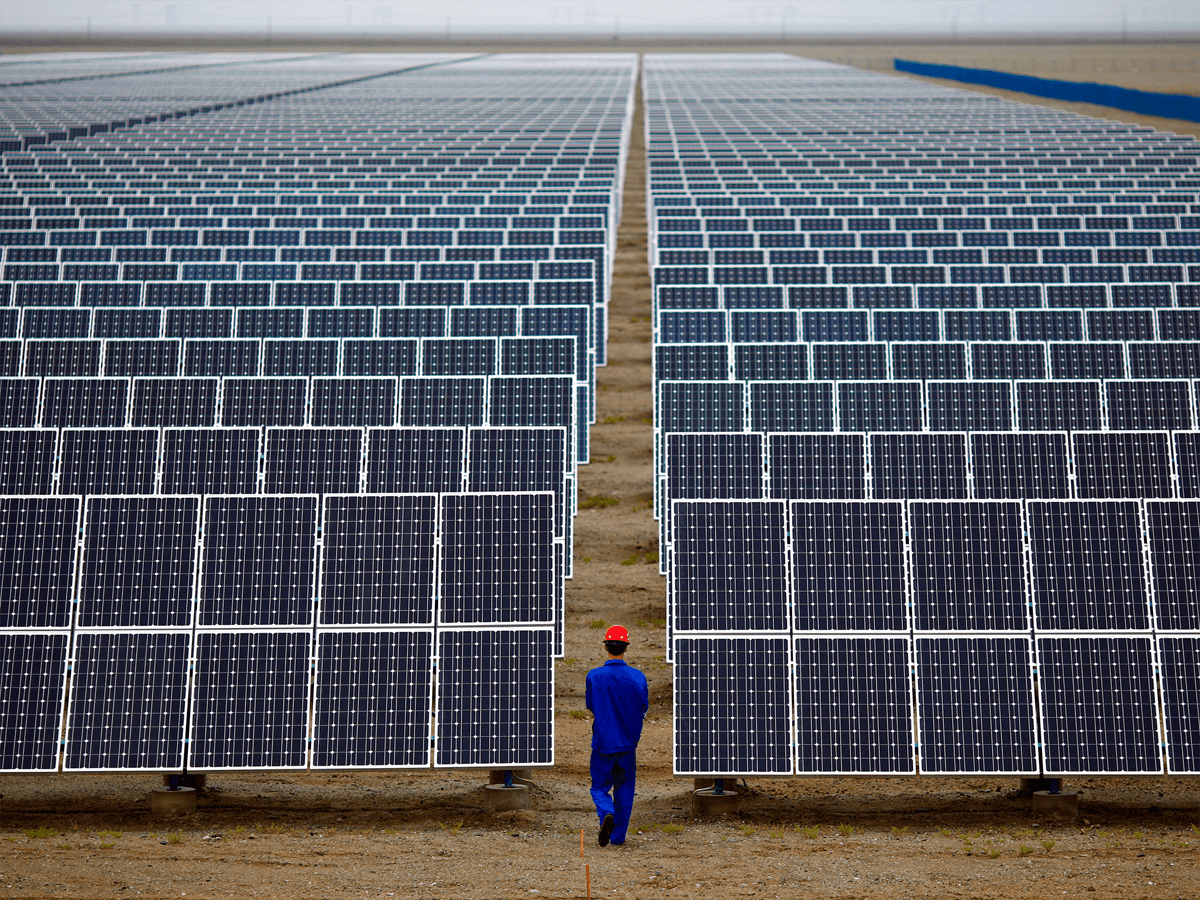
U.S. energy officials are reevaluating the national security risks posed by Chinese-made power inverters after uncovering unexplained communication components inside devices used in critical infrastructure across the U.S., according to multiple sources with knowledge of the matter.

These undocumented modules, such as cellular radios, were discovered in inverters and batteries produced by Chinese manufacturers, raising concerns that firewalls could be bypassed, allowing remote manipulation or shutdowns of energy systems — with potentially catastrophic consequences for power grids.

That effectively means there is a built-in way to physically destroy the grid,” one expert warned.

What Are Inverters and Why This Matters

Inverters are vital for connecting solar panels, batteries, heat pumps, and EV chargers to the power grid. Most are produced in China and designed to allow remote updates, but are expected to be firewalled from foreign access. The recent discovery, however, suggests that some Chinese models include hidden communications hardware, not disclosed in product documentation.

Implications for National Security and Grid Stability

  • Disruption risk: Experts warn that coordinated manipulation of these devices could trigger blackouts, grid damage, or widespread energy instability.

  • Huawei, the world’s leading inverter manufacturer, left the U.S. market in 2019 but dominates globally, especially in Europe.

  • Over 200 GW of European solar power is linked to Chinese inverters, equivalent to more than 200 nuclear plants.

If you remotely control a large enough number of home solar inverters… that could have catastrophic implications,” said Uri Sadot of SolarEdge.

Government and Industry Response

  • The U.S. Department of Energy (DOE) acknowledged the challenge of ensuring manufacturers disclose full functionality. It is working to enhance transparency via Software Bill of Materials (SBOM) policies and contractual safeguards.

  • The U.S. Senate is considering the Decoupling from Foreign Adversarial Battery Dependence Act, targeting Chinese firms like CATL, BYD, Envision Energy, and others from 2027 onward.

  • Utilities such as Florida Power & Light are already seeking to reduce their reliance on Chinese inverter components.

  • Lithuania, Estonia, and Britain have also begun reassessing or restricting the use of Chinese inverters, with NATO warning that China’s influence over infrastructure is a growing threat.

The CCP stops at nothing to target our sensitive infrastructure,” said U.S. Representative August Pfluger.

Recent Incidents and Commercial Fallout

  • In November 2024, some inverters were reportedly disabled remotely from China, triggering internal industry disputes and heightened U.S. government scrutiny.

  • A commercial conflict between Sol-Ark and Deye ensued, with Sol-Ark confirming it had no control over affected devices not bearing its brand.

  • Chinese firms Huawei, Deye, and others declined to comment.

As the solar and renewable energy sector expands, experts are calling for urgent reforms to ensure hardware used in critical infrastructure is trusted, secure, and transparentechoing the regulatory efforts already in place in sectors like telecom and semiconductors.

AI Leaders Urge U.S. to Boost Exports and Infrastructure to Stay Ahead of China

Top executives from OpenAI, Microsoft, and AMD warned U.S. lawmakers on Thursday that the country risks losing its lead in artificial intelligence to China unless it expands infrastructure, loosens AI chip export restrictions, and strengthens workforce training. Their testimony before the U.S. Senate Commerce Committee, chaired by Senator Ted Cruz, emphasized the urgent need for pro-growth AI policies to counter China’s rapid advancements.

The call to action follows China’s DeepSeek AI breakthrough last year and Huawei’s rollout of advanced AI chips, both of which have shaken Washington’s confidence in maintaining AI dominance.

The number-one factor that will define whether the U.S. or China wins this race is whose technology is most broadly adopted in the rest of the world,” said Brad Smith, President of Microsoft. He added that Microsoft has banned internal use of DeepSeek due to data privacy and propaganda concerns.
The lesson from Huawei and 5G is that whoever gets there first will be difficult to supplant.”

Key Takeaways from the Senate Hearing:

  • OpenAI CEO Sam Altman emphasized the need for massive infrastructure investment, including data centers and power generation, to fuel AI’s growth.

  • AMD CEO Lisa Su highlighted the importance of maintaining competitiveness in AI chip design while also ensuring export flexibility.

  • Smith called for broader AI education, R&D funding, and skilled labor development, including more electricians for AI facilities.

The tech industry is pushing back against Biden-era AI export rules that aimed to limit China’s access to powerful AI chips. In response, the Trump administration is preparing to rescind those curbs and replace them with a new framework — a move praised by Cruz, Altman, and Su during the session.

The Biden administration’s misguided midnight AI diffusion rule on chips and model weights would have crippled American tech companies’ ability to sell AI to the world,” Cruz said.

China’s DeepSeek, based in Hangzhou, made waves by launching a powerful, cost-effective AI model competitive with OpenAI and Meta — a move that intensified pressure on U.S. lawmakers to act quickly.

Meanwhile, Huawei is preparing to mass-ship advanced AI chips to Chinese customers despite ongoing U.S. trade restrictions.

With national security, economic leadership, and technological supremacy at stake, AI executives stressed that global market penetrationnot just technical capability—will determine who wins the AI race.