Yazılar

Yageo Promises Technology Protection if Shibaura Acquisition Succeeds

Taiwanese chip component maker Yageo has pledged strict controls to prevent technology leaks if its bid to acquire Japan’s Shibaura Electronics succeeds, addressing Japanese national security concerns. Yageo’s Chairman Pierre Chen said the company will hold talks with Shibaura in mid-June in Tokyo to discuss cooperation plans.

Yageo, the world’s largest chip resistor producer, launched an unsolicited tender offer in February to gain full control of Shibaura, which specializes in thermistor technology. Yageo’s latest offer stands at 6,200 yen per share, valuing Shibaura at over 65 billion yen ($450 million), in a competitive bidding war against Japanese components supplier Minebea Mitsumi, which Shibaura selected as a “white knight.”

Chen emphasized that Yageo intends to invest heavily in research and development and expand Shibaura’s facilities in Japan. He assured regulators and the public that stringent safeguards would be in place to protect sensitive technology.

The acquisition aligns with Japan’s evolving approach to unsolicited takeovers, with 2023 M&A guidelines reducing resistance to such bids. Chen said discussions with Japan’s Ministry of Economy, Trade and Industry have progressed smoothly.

If successful, the deal would fill a gap in Yageo’s thermistor portfolio, enhancing product offerings for global customers. It would also ease supply chain management for major clients like Apple, Nvidia, and Tesla by providing a broader range of components from a single supplier.

Yageo is also a top global manufacturer of multilayer ceramic capacitors, crucial for devices such as Apple iPhones, Nvidia AI servers, and Tesla electric vehicles.
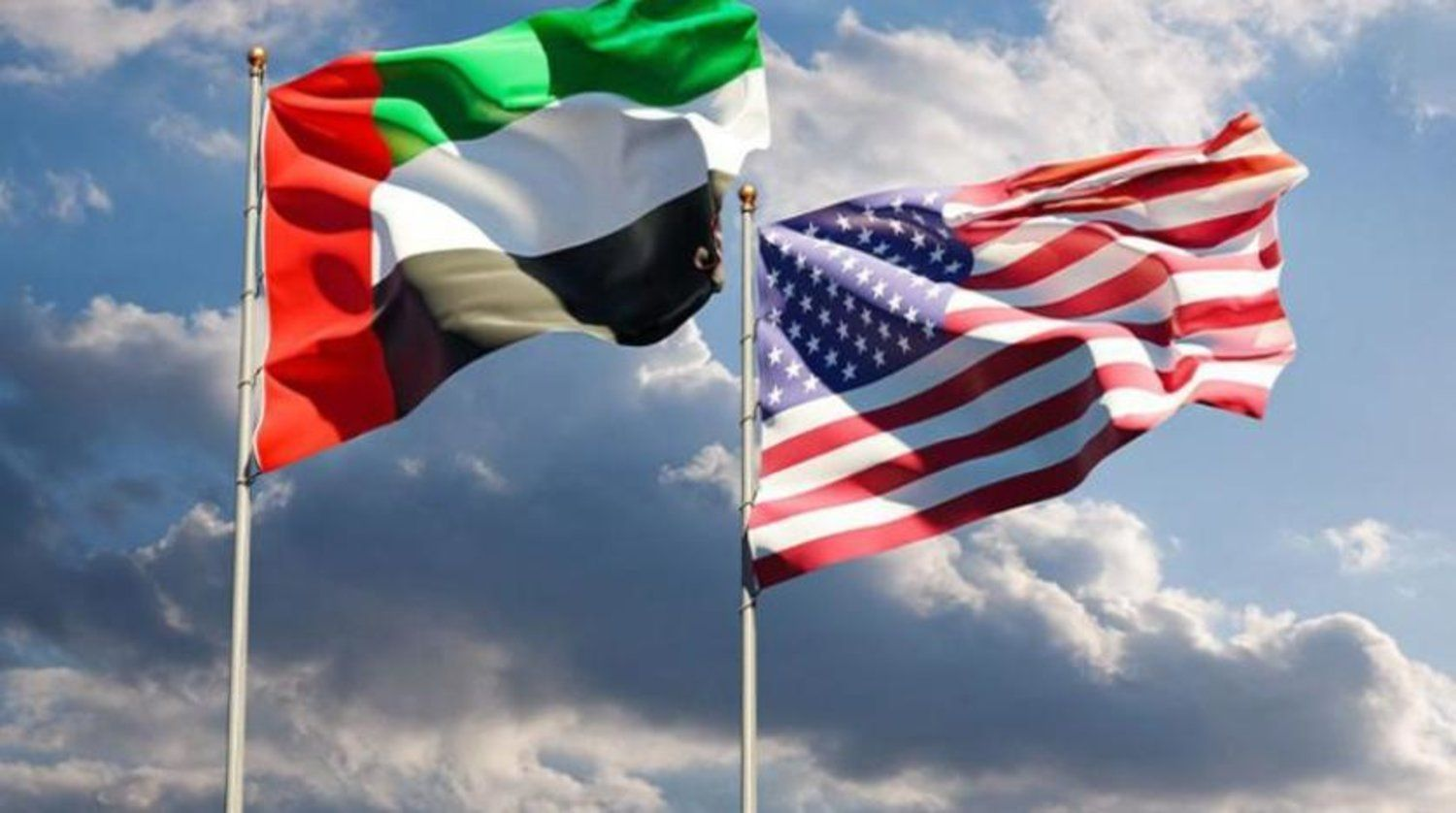
US-UAE AI Data Campus Deal Faces Delays Amid Security Concerns

A multi-billion dollar agreement to establish one of the world’s largest artificial intelligence data center hubs in the United Arab Emirates (UAE) remains far from finalized, according to sources familiar with the negotiations. Despite its high-profile announcement during President Donald Trump’s recent visit to Abu Dhabi, persistent U.S. security concerns continue to stall progress.

The planned 10-square-mile AI campus is being spearheaded by G42, an Emirati state-linked technology firm central to the UAE’s AI ambitions. Major U.S. technology firms including Nvidia, OpenAI, Cisco, Oracle, and Japan’s SoftBank have signed on to help develop the first phase, called Stargate UAE, which is scheduled to become operational in 2026.

The project’s backers have touted it as a significant step toward steering Gulf nations toward U.S. technology and away from Chinese alternatives. However, five sources involved in the discussions told Reuters that U.S. officials remain deeply concerned about potential technology transfers to China and the UAE’s ability to enforce strict export controls.

Although the UAE pledged during Trump’s visit to align its national security regulations with Washington — including measures to prevent diversion of U.S.-origin technology — American officials remain cautious. These concerns mirror those raised during both the Biden and Trump administrations, particularly over the UAE’s previous deployment of Huawei 5G infrastructure despite U.S. objections.

Sources indicated that the U.S. Commerce Department has yet to determine the security protocols required for exporting advanced Nvidia AI chips critical to the project. The absence of an agreed enforcement mechanism further complicates the deal, leaving it without a definitive timeline for completion.

Among the likely U.S. conditions are prohibitions on Chinese technology at the site and restrictions on employing Chinese nationals, given ongoing fears of AI chip smuggling and intellectual property leaks to adversaries. While the UAE has dismantled some Chinese partnerships—such as G42 removing Chinese hardware and divesting from certain Chinese holdings under Biden administration pressure—Chinese firms like Huawei and Alibaba Cloud still maintain a strong presence in the country.

Adding to U.S. unease is the UAE’s growing role as a hub for companies circumventing Western sanctions on Russia, further complicating Washington’s strategic calculus. Despite these challenges, both Trump administration officials and some in the current administration remain committed to pursuing the deal, though bipartisan skepticism remains strong in Congress.

Once operational, Stargate UAE is expected to house roughly 100,000 advanced Nvidia Grace Blackwell GB300 AI chips within a 1-gigawatt facility — potentially expanding to 5 gigawatts in the future. The Emirati government has so far not commented on the latest delays, and no final agreement has been reached on technology controls or operational oversight.

Trump Administration Renegotiates Biden-Era Chips Act Grants, Says Commerce Secretary Lutnick

The Trump administration is actively renegotiating semiconductor manufacturing grants originally awarded under the Biden-era CHIPS and Science Act, according to U.S. Commerce Secretary Howard Lutnick. Speaking before the Senate Appropriations Committee on Wednesday, Lutnick indicated that some of these awards may be significantly altered or even cancelled as part of efforts to secure better terms for U.S. taxpayers.

“Some of the Biden-era grants just seemed overly generous, and we’ve been able to renegotiate them,” Lutnick told lawmakers, emphasizing that the renegotiations aim to deliver greater value to the American public. “All the deals are getting better, and the only deals that are not getting done are deals that should have never been done in the first place.”

$52.7 Billion CHIPS Act Under Review

The $52.7 billion CHIPS and Science Act, signed by President Biden in 2022, was designed to bolster domestic semiconductor manufacturing and reduce reliance on Asia, particularly Taiwan and South Korea. Under the program, billions of dollars in grants were awarded to both U.S. and foreign chipmakers, including Taiwan’s TSMC, South Korea’s Samsung and SK Hynix, as well as U.S.-based Intel and Micron.

Though many of these awards were signed before Biden left office, most of the funds have yet to be fully disbursed. The grant payments are generally structured to be released as companies meet specific production and investment milestones tied to their U.S. plant expansions.

TSMC Award Revised Amid Expanding U.S. Investment

Lutnick cited Taiwan Semiconductor Manufacturing Co. (TSMC) as an example of successful renegotiation. Under the original agreement, TSMC was awarded $6 billion to support its U.S. manufacturing expansion. Lutnick revealed that TSMC subsequently increased its planned investment from $65 billion to $165 billion, while still receiving the same $6 billion in federal funds.

Although TSMC confirmed in March that it would invest an additional $100 billion in the U.S., the company has not commented on whether the new investment was directly tied to renegotiated CHIPS Act terms.

White House Seeking Delays and New Terms

The renegotiation efforts are not new. In February, Reuters reported that the White House was already seeking to renegotiate several awards and delay some upcoming disbursements to ensure better returns on government spending.

Lutnick’s comments suggest that the Trump administration intends to continue scrutinizing past agreements to maximize taxpayer value and may block deals it deems wasteful or excessive.

AI Computing Capacity Also a Focus

During the hearing, Lutnick also addressed concerns about the global race for artificial intelligence computing capacity. He emphasized the administration’s commitment to ensuring that over 50% of global AI compute power remains based in the United States. This statement comes amid criticism of a Trump administration deal allowing the United Arab Emirates to purchase advanced American AI chips, raising fears about exporting critical technology.