Yazılar

US Targets Chinese Companies Over AI Chips and Military Concerns

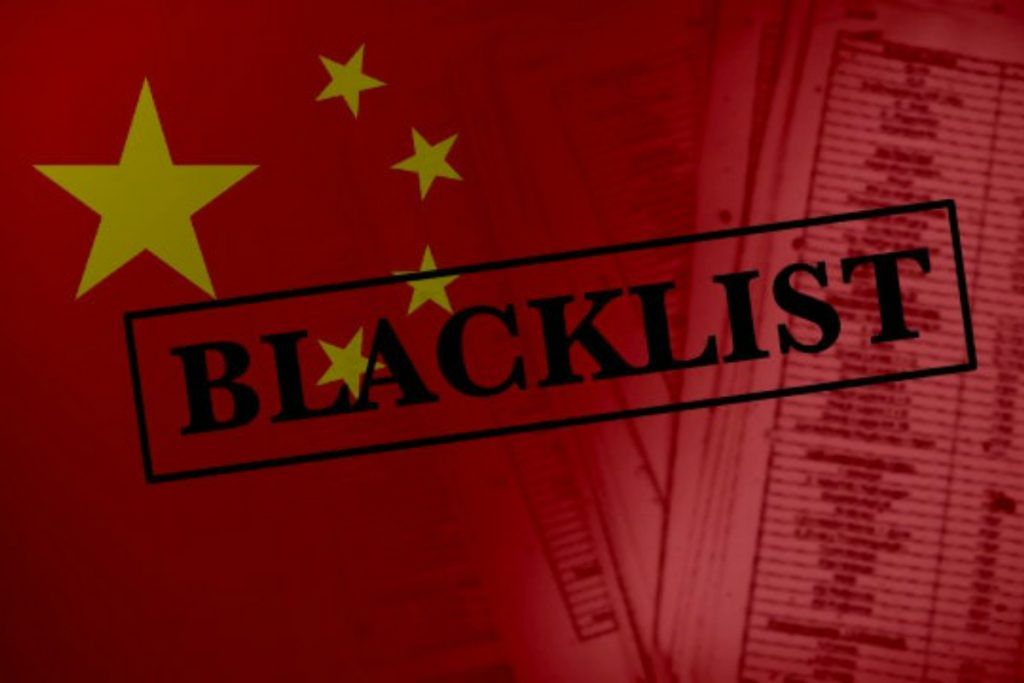
The Biden administration has blacklisted more than two dozen Chinese entities, including Zhipu AI, a prominent developer of large language models, and Sophgo, a company implicated in using Taiwan Semiconductor Manufacturing Company (TSMC) chips for Huawei’s AI processors. This move is part of the U.S.’s ongoing efforts to curb China’s access to advanced technology, particularly in the fields of artificial intelligence (AI) and military applications.

The U.S. Commerce Department added 25 Chinese companies, along with two Singapore-based companies, to its Entity List, effectively restricting their access to U.S. goods and technology without special licenses, which are typically denied. Zhipu AI, backed by major investors like Alibaba and Tencent, was blacklisted for its involvement in advancing China’s military AI capabilities. Sophgo, which supplied a chip found in Huawei’s Ascend 910B AI system, also came under scrutiny for its role in supporting Huawei’s AI ambitions, a company already restricted since 2019.

In response, Zhipu AI denied the allegations, claiming the decision lacked factual basis and wouldn’t significantly impact its operations. Similarly, Sophgo, an affiliate of Bitmain, a leading bitcoin mining equipment supplier, also rejected claims of any direct ties with Huawei.

The U.S. also implemented stricter rules for the export of semiconductors, specifically those used in AI applications, particularly targeting advanced chips at or below 14 or 16 nanometer nodes. The new regulations aim to prevent these chips from being used in military technologies or high-tech surveillance systems, further tightening restrictions on Chinese companies like Changxin Memory Technologies, a major DRAM producer.

The expanded controls also hold chipmakers accountable for ensuring that their products do not end up in the hands of restricted entities, including companies potentially linked to Huawei’s operations.

These moves are part of broader efforts by the U.S. to limit China’s access to critical technology, especially in areas like AI and advanced military systems, and to curtail the risk of sensitive technologies being diverted to entities like Huawei.


US Government Considers Options to Keep TikTok Operational Amid Imminent Ban

As a potential ban on TikTok looms, the Biden administration is reportedly exploring alternatives to keep the app operational in the United States, according to NBC News. With the ban set to take effect on Sunday, officials are discussing possible solutions to ensure the app remains accessible despite ongoing concerns about its Chinese ownership.

The White House and TikTok’s U.S. office did not respond immediately to requests for comment regarding the report. The administration is facing mounting pressure to address national security concerns linked to the app, which has over 170 million users in the U.S.


US TikTok Users React as ByteDance Signals App Shutdown

Disappointment, confusion, and frustration swept through TikTok’s U.S. user base on Wednesday after reports emerged that ByteDance, the app’s Chinese owner, is planning to shut down the platform for 170 million U.S. users by Sunday. The announcement seemingly marks a concession to U.S. lawmakers who imposed a deadline for ByteDance to divest its U.S. assets or face a ban, leading many users to express resignation after months of uncertainty.

TikTok users, who have built careers and substantial followings on the platform, had hoped that the app could escape a U.S. ban passed in 2023. However, as the January 19 deadline looms, some users are beginning to accept the impending shutdown. Joonsuk Shin, a 28-year-old research manager and content creator from New York, expressed his dismay, saying, “TikTok signaling that white flag is very discouraging and very sad.”

In response, some users have called for boycotts of rival platforms like Meta’s Instagram and Facebook, as well as X (formerly Twitter), predicting that advertisers who once relied heavily on TikTok will shift to those services. One user posted, “We all need to delete our Facebook, X, and Instagram accounts that same day.”

The shutdown follows U.S. lawmakers’ concerns about national security risks, with fears that China could potentially access or demand U.S. user data from TikTok. While the company has repeatedly denied any claims of sharing user data with the Chinese government, the threat of a ban has become imminent. TikTok and ByteDance have been fighting the law in court, arguing that the ban violates the First Amendment rights of free speech.

If the U.S. Supreme Court does not intervene, users trying to access TikTok on Sunday will be redirected to a shutdown website, confirming the app’s termination. Content creators like Amber Goode, a 28-year-old true crime influencer from Colorado Springs, expressed frustration over the prolonged uncertainty, remarking, “Why are they playing with us? I feel like the government is avoiding giving us the answer they already know.”

Although some users are now preparing for the worst, others remain hopeful. There were reports earlier this week that a 270-day extension of the shutdown deadline might be in the works, but this prospect was fading as the deadline approached. As TikTok’s fate hangs in the balance, many users have already begun migrating to alternatives, including China-based apps like RedNote, often using translation tools to navigate the platforms.

For others, the situation is deeply personal. One TikTok user shared a heartfelt post, saying, “My daughter passed away in 2023. I’ve been saving all her videos to my phone. I can’t lose those.” The impending shutdown is forcing many creators to scramble to preserve their content and maintain connections with their followers.

Ishpal Sidhu, a former attorney turned full-time creator with nearly 400,000 followers, voiced her concern about losing her platform and income, saying, “It’s pretty sad because I thought we were making progress.” Sidhu wondered if she would continue receiving payments for her content once the app shuts down.

Meanwhile, users outside the U.S. have begun to react more bluntly, with some expressing relief that the algorithm-driven chaos of American social media woes might now recede from their feeds. New Zealand content creator Luke Hopewell jokingly declared, “Say goodbye to the Americans.”