Yazılar

Senate Democrats Urge Biden to Delay TikTok Ban to Protect U.S. Creators and Businesses

As the deadline to ban TikTok looms, Senate Democrats are increasing pressure on President Joe Biden to delay the ban and prevent the popular app from going offline in the U.S. on Sunday. Lawmakers argue that millions of creators, businesses, and influencers who rely on TikTok could suffer significant harm if the app is banned prematurely.

Democratic Senator Ed Markey emphasized the need for more time to resolve the issue and avoid a hasty shutdown. “Let’s take a breath, try to step back, buy some time, try to figure this out,” Markey said in a statement on Thursday. Senate Democratic Leader Chuck Schumer has also expressed support for a delay, urging Biden to extend the deadline by 90 days to allow time for an American buyer to take over TikTok’s U.S. operations and avoid disrupting the lives of millions of Americans who depend on the platform.

The deadline was set by Congress in April, following national security concerns over the app’s ownership by Chinese company ByteDance. The Justice Department recently cited concerns about TikTok’s data collection practices, warning that the platform could be used for espionage purposes due to the vast amount of sensitive information it holds about U.S. users.

Despite these concerns, Schumer and other senators argue that additional time is necessary to secure a resolution. “It’s clear that more time is needed to find an American buyer and not disrupt the lives and livelihoods of millions of Americans,” Schumer said.

The White House has indicated that the decision to extend the deadline may fall to the next administration, with Biden’s team previously stating that an extension was not planned. However, with the Jan. 19 deadline quickly approaching, the potential impact of a TikTok shutdown remains a major point of debate among lawmakers.

Senators Markey, Cory Booker, and Chris Van Hollen have written to Biden urging him to grant an extension, warning that without action, TikTok could go dark on Sunday, with serious consequences for the 170 million American users and 7 million businesses reliant on the platform.

 

Billionaire McCourt Open to Keeping Original Investors in Any TikTok Deal

Business magnate Frank McCourt has expressed a willingness to include TikTok’s current investors, including its founder, in any potential deal to purchase the U.S. operations of the app, which is currently owned by the Chinese company ByteDance. McCourt confirmed in an interview with Reuters that his consortium, Project Liberty, has formally offered to buy TikTok from ByteDance, with a valuation of the app—excluding its algorithm—set at approximately $20 billion.

The bid, McCourt noted, is not contingent upon the involvement of major U.S. investment firms like General Atlantic, Susquehanna, and Sequoia Capital, who hold stakes in ByteDance. McCourt, however, indicated that his group is open to keeping existing investors, including ByteDance founder Zhang Yiming, involved in the deal, pending approval from the Committee on Foreign Investment in the United States (CFIUS).

ByteDance did not respond to a request for comment regarding the proposed deal. McCourt also stated that Project Liberty has developed a technological solution that addresses the national security concerns that led to U.S. legislation demanding ByteDance divest its ownership of TikTok by Sunday, or face a potential ban in the U.S.

In related developments, President-elect Donald Trump’s incoming national security adviser affirmed that the new administration will work to keep TikTok operating in the U.S. if a viable deal is reached.


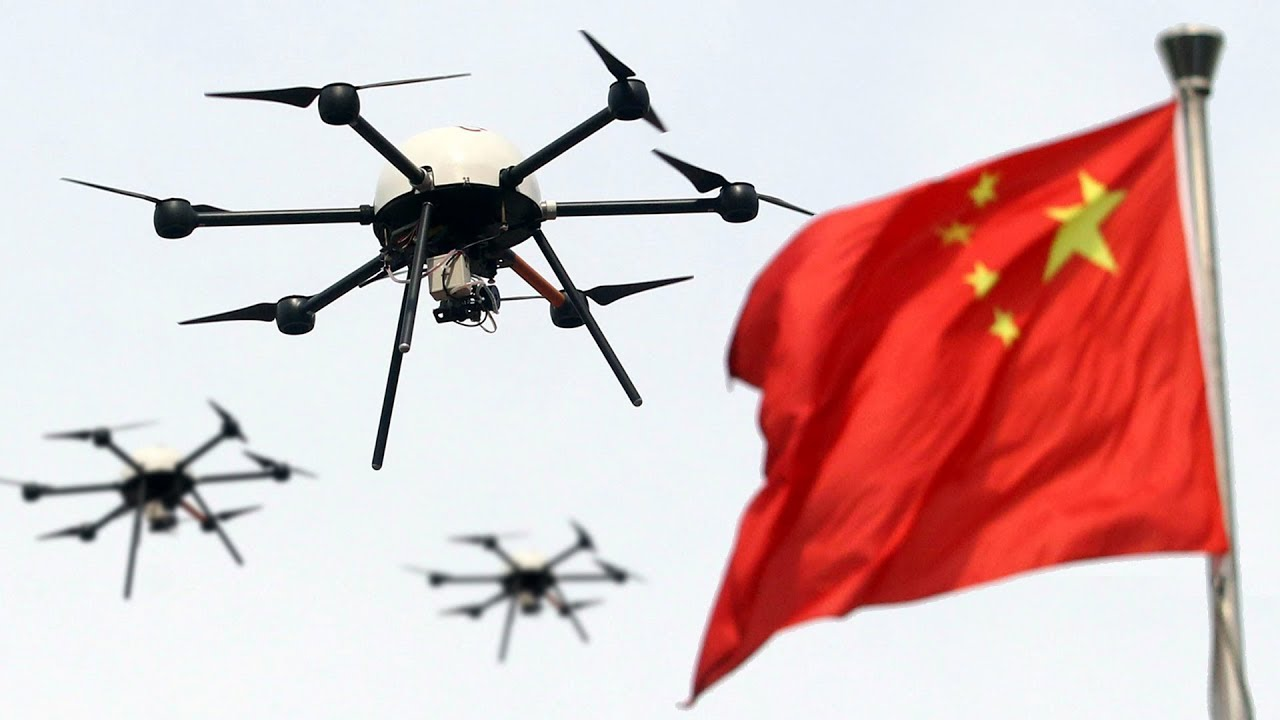
US Considers Potential Rules to Restrict or Bar Chinese Drones

The U.S. Commerce Department is exploring new rules that could restrict or ban Chinese-made drones in the United States, citing national security concerns. The department announced on Thursday that it is considering measures to safeguard the U.S. drone supply chain, emphasizing that threats from China and Russia could allow adversaries to remotely access and manipulate these devices, thereby compromising sensitive U.S. data.

China dominates the U.S. commercial drone market, accounting for the majority of sales. In response to these national security concerns, the Commerce Department is seeking public comments on potential rules, with a deadline set for March 4. The proposed regulations could mirror those applied to Chinese vehicles, which may face similar restrictions or bans due to concerns over foreign-made equipment, chips, and software embedded in drones.

Commerce Secretary Gina Raimondo previously indicated that the department could impose restrictions akin to those that would effectively bar Chinese vehicles from U.S. markets. The focus would primarily be on drones containing Chinese or Russian-made components. Raimondo hopes to finalize the regulations on Chinese vehicles by January 20, coinciding with the inauguration of President-elect Donald Trump.

This move follows a series of actions taken by the U.S. government over the past year to address concerns about Chinese drones. Last month, President Joe Biden signed a law that could result in a ban on new models from China-based DJI and Autel Robotics, two of the largest drone manufacturers. Under this law, a U.S. agency must assess whether drones from these companies pose national security risks within a year. If no decision is made, DJI and Autel could be prevented from launching new products in the U.S.

DJI, the world’s largest drone maker, which accounts for more than half of all commercial drones sold in the U.S., has responded by warning that an inability to launch new products would hurt its business. The company has also taken legal action, suing the U.S. Department of Defense for designating it as a company with ties to China’s military. DJI denies these claims and has asserted that its products do not involve forced labor, despite Customs and Border Protection halting some of its drone imports under the Uyghur Forced Labor Prevention Act.

U.S. lawmakers have repeatedly expressed concerns about the potential risks posed by Chinese-made drones, citing data transmission vulnerabilities and surveillance issues. In 2019, Congress passed a law banning the Pentagon from using drones or components manufactured in China.