Yazılar

Tesla Recalls Nearly All Cybertrucks Due to Detaching Trim Panel

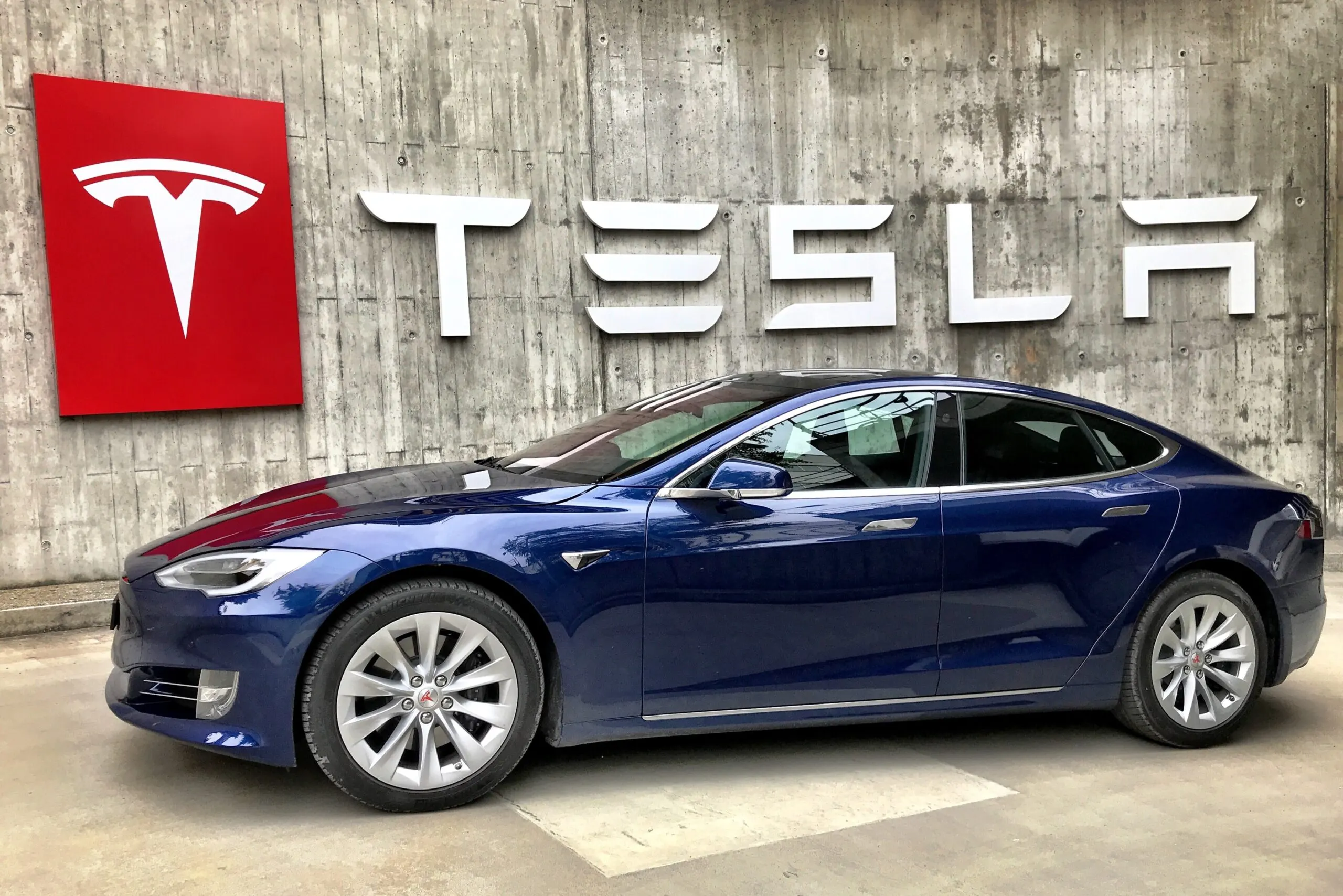
Tesla has issued a recall for over 46,000 Cybertrucks in the United States due to a potential safety issue involving the vehicle’s exterior trim panel. The recall affects vehicles built between November 2023 and February 27, 2024, marking the eighth recall for the Cybertruck since January 2024.

The issue arises from the stainless-steel trim panel, which could detach while driving, posing a road hazard and increasing the risk of a crash. Although Tesla has received 151 warranty claims potentially linked to this problem, no accidents or injuries have been reported. The company stated that the noise from the detached panel or its complete detachment could be noticed by drivers or passersby.

This recall affects a significant portion of Cybertruck vehicles on the road, with analyst estimates suggesting that the recalled units represent the vast majority of the truck’s current fleet. The recall could be a setback for Tesla, which has already faced challenges in 2024, including increasing competition, an aging vehicle lineup, and backlash against CEO Elon Musk’s influence over federal budget cuts.

Demand for the Cybertruck had already declined toward the end of 2023 following multiple delays, and sales of the vehicle remain a small fraction of Tesla’s overall deliveries. In 2024, Tesla’s total vehicle shipments reached 1.79 million.

Sam Fiorani, Vice President at AutoForecast Solutions, noted that the recall highlights ongoing quality issues for Tesla, which had previously avoided such setbacks. “Reputations take a long time to build and can be tarnished very quickly,” he added.

Despite the recall, Tesla’s stock showed a slight increase on Thursday. During a livestreamed “all hands” meeting, Musk did not address the recall but emphasized the Cybertruck’s “five-star safety rating,” suggesting that investors hold onto their shares.

Trump’s USDOT Nominee Confirms Continuation of Tesla Safety Investigations

President-elect Donald Trump’s nominee for the U.S. Department of Transportation (USDOT), Sean Duffy, confirmed that ongoing investigations into Tesla’s advanced driver assistance system will continue under his leadership. During a U.S. Senate hearing, Duffy expressed his commitment to allowing the National Highway Traffic Safety Administration (NHTSA) to complete its probe into Tesla’s Full Self-Driving (FSD) software, which is under investigation after four collisions, including a fatal crash in 2023.

The investigation involves 2.4 million Tesla vehicles equipped with the FSD software, and Duffy assured lawmakers that the probe would proceed without interference. Senator Ed Markey pressed Duffy to ensure that NHTSA would operate independently, regardless of political pressures, to which Duffy responded, “I will let NHTSA do their investigation.”

Tesla, which did not respond immediately to requests for comment, has faced increased scrutiny over its driver-assistance systems as the company transitions toward self-driving technology. In addition to the FSD investigation, NHTSA recently launched a separate inquiry into 2.6 million Tesla vehicles concerning a feature called Actually Smart Summon. This system, which allows users to remotely move their cars, has been linked to crashes due to failure to detect obstacles or parked vehicles, prompting further concern over Tesla’s safety protocols.

In December 2023, Tesla recalled over 2 million U.S. vehicles to address safety issues related to the Autopilot system. NHTSA is still investigating whether the recall measures sufficiently mitigate the risk of driver inattention.

Duffy also mentioned that he would review the Federal Aviation Administration’s proposed fine of $633,000 against Musk’s SpaceX for violations of launch license regulations.


GM Exits Loss-Making Cruise Robotaxi Business Amid Restructuring Efforts

General Motors (GM) has announced its decision to exit the development of robotaxi services at Cruise, its majority-owned autonomous driving unit, marking a significant pivot in the automaker’s strategic priorities. The Detroit-based company revealed on Tuesday that it will no longer fund Cruise’s robotaxi operations, citing the substantial time and financial investment required to scale the business in an increasingly competitive market.

Since 2016, GM has invested over $10 billion into Cruise, but the unit has yet to achieve profitability. Moving forward, Cruise will be integrated into GM’s driver-assistance technology group, signaling a shift away from fully autonomous vehicles. The decision follows GM’s broader strategy to focus on its more profitable lines of business, including gasoline-powered trucks and large vehicles, while scaling back on electric vehicle (EV) initiatives and restructuring its operations in China.

In 2023, GM CEO Mary Barra expressed optimism that Cruise could generate $50 billion in annual revenue by 2030. However, she described the unit as “expendable” on Tuesday, explaining that the high operational costs of running a robotaxi fleet did not align with GM’s core business. Barra emphasized the need for fiscal prudence, noting that the restructuring will cut annual spending on Cruise from $2 billion to $1 billion by June 2024.

While Barra did not specify how many Cruise employees might transition to other roles within GM, the decision reflects broader challenges in the autonomous vehicle (AV) industry.


COSTLY ROAD AHEAD FOR AUTONOMOUS VEHICLES

GM is not the first automaker to retreat from ambitious autonomous driving projects. In October 2022, Ford wound down its Argo AI unit, citing similar financial and technical hurdles. Although competitors like Tesla and Alphabet’s Waymo remain invested in AV technology, the market has proven to be both costly and complex.

Tesla CEO Elon Musk continues to champion the potential of robotaxis and expects regulatory support under President-elect Donald Trump’s administration to facilitate broader deployment. Meanwhile, Waymo is expanding its ride-hailing services in cities such as Los Angeles and Miami, bolstered by a $5.6 billion funding round led by Alphabet.


LEGAL AND OPERATIONAL HURDLES

Cruise’s recent legal challenges have further compounded GM’s decision to abandon its robotaxi ambitions. In October 2023, a Cruise vehicle in San Francisco struck and seriously injured a pedestrian. The company admitted to submitting a false report to federal regulators and agreed to pay a $500,000 fine as part of a deferred prosecution agreement. GM also faced significant financial penalties, including a settlement with the injured pedestrian, while U.S. safety regulators continued to scrutinize the company.

In July, GM shelved plans for a steering wheel- and pedal-free robotaxi, following layoffs of over 25% of Cruise employees and the dismissal of several top executives. GM also withdrew a petition to the National Highway Traffic Safety Administration (NHTSA) that sought approval to deploy up to 2,500 autonomous Origin vehicles annually without human controls.


SHIFTING FOCUS

As GM retreats from autonomous robotaxis, its focus appears to be realigning with its core business of producing conventional vehicles and advancing driver-assistance technologies. While the company once viewed Cruise as a cornerstone of its future mobility strategy, it now sees scaling such operations as a long-term endeavor that no longer aligns with its immediate priorities.

Despite the setbacks, GM shares rose 3.2% in extended trading on Tuesday, reflecting investor confidence in the automaker’s renewed focus on profitability.