Yazılar

UK Announces £1 Billion Deal for AESC EV Battery Gigafactory in Sunderland

The UK government on Friday unveiled a £1 billion ($1.33 billion) funding agreement to support the construction of a major AESC gigafactory in Sunderland, a move aimed at significantly scaling up the country’s electric vehicle (EV) battery production capacity.

The facility, to be built by Japanese battery maker AESC, will supply enough batteries for up to 100,000 EVs per year, marking a six-fold increase over current output. The project is expected to play a key role in accelerating Britain’s transition to greener transportation and boosting domestic manufacturing.

This investment in Sunderland will not only further innovation and accelerate our move to more sustainable transport, but it will also deliver much-needed high quality, well-paid jobs,” said Finance Minister Rachel Reeves in a government statement.

The gigafactory will be located near Nissan’s car manufacturing site, the largest in the UK. Nissan previously committed in 2023 to building electric versions of two of its car models at the Sunderland plant — a signal of deepening EV production in the region.

Funding Breakdown:

  • £680 million in financing unlocked via financial guarantees from the National Wealth Fund and UK Export Finance.

  • Backed by major banks including Standard Chartered, HSBC, SMBC Group, Société Générale, and BBVA.

  • The remaining £320 million will come from private sector financing and new equity provided by AESC itself.

AESC CEO Shoichi Matsumoto welcomed the announcement, stating:

This investment marks a key milestone in AESC’s ongoing efforts to support the UK’s path towards decarbonisation and the expansion of its EV market.”

The Sunderland gigafactory is part of Britain’s broader strategy to reshore critical EV supply chains, reduce reliance on overseas battery imports, and solidify the country’s position in the fast-growing global EV economy.
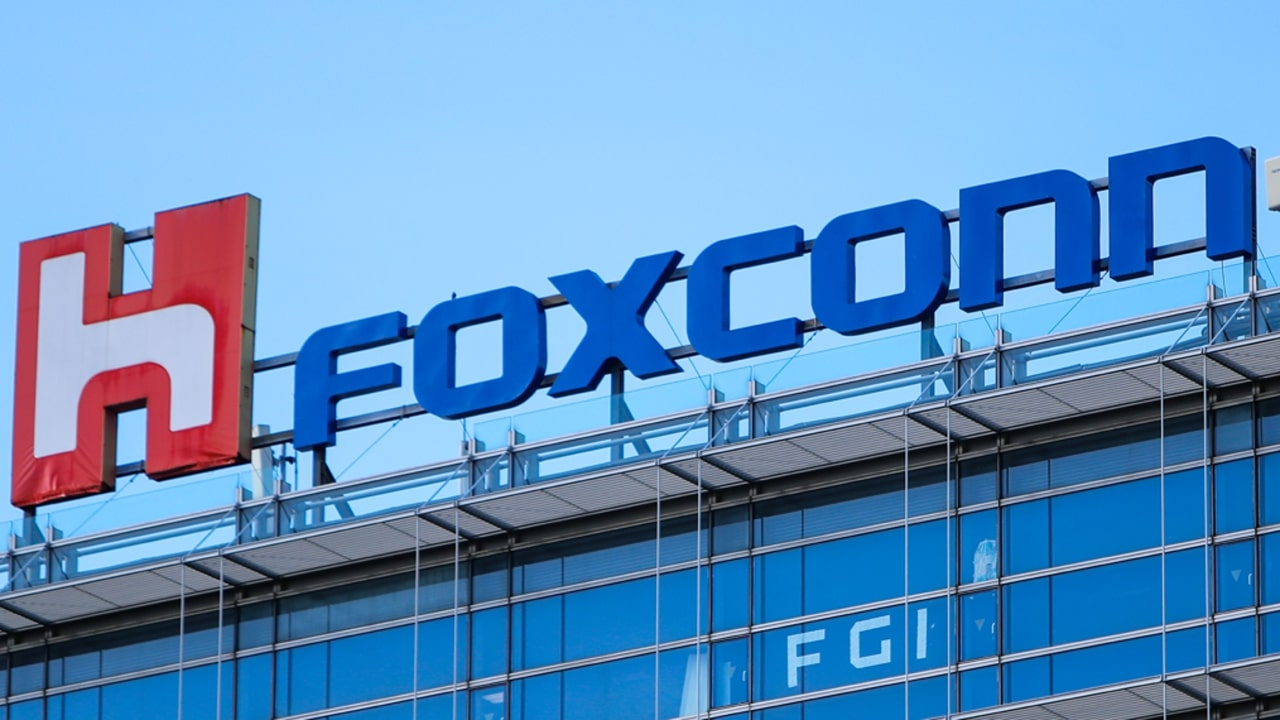
Foxconn Open to Buying Stake in Nissan for Potential Cooperation

Foxconn (2317.TW), Taiwan’s leading electronics manufacturer, has expressed interest in purchasing a stake in Nissan (7201.T), but emphasized that its primary goal is to collaborate rather than invest in the automaker. Chairman Young Liu stated on Wednesday that Foxconn would consider buying shares if cooperation with Nissan required it, but reiterated that acquiring shares was not their main focus.

Foxconn is in discussions with Renault (RENA.PA), Nissan’s largest shareholder, about potential collaboration. These comments come amid uncertainty surrounding Nissan’s future after it stepped away from merger talks with rival Honda (7267.T), which would have created the world’s fourth-largest automaker.

Sources have indicated that Nissan and Honda, who had been exploring a merger, are expected to announce the end of their talks on Thursday due to growing differences between the two companies. This deal would have been a significant shift in an automotive industry facing mounting pressure from electric vehicle (EV) manufacturers, particularly China’s BYD (002594.SZ).

In light of the changing landscape, Nissan is reportedly open to partnerships with new players, including Foxconn, which is best known for its role as Apple’s primary iPhone manufacturer. While Foxconn seeks to diversify its business, it is not looking to establish itself as an automotive brand. Instead, it intends to offer commissioned design and manufacturing services for electric vehicles.

Neither Nissan nor Renault has commented on Foxconn’s chairman’s statements regarding potential collaboration.

Hyundai Launches $18,000 EV in Japan to Target Market Dominated by Local Brands

Hyundai Motor has unveiled its plans to introduce the affordable Inster compact electric vehicle (EV) in Japan, priced at 2.85 million yen ($18,000). This marks the cheapest electric vehicle in Japan’s compact car market and is part of Hyundai’s strategy to penetrate a market long dominated by local giants like Toyota, Honda, and Nissan, who have well-established petrol and hybrid vehicle technologies.

The Inster, which debuted in Europe last year and was originally launched in South Korea as the Casper Electric, aims to appeal to Japanese consumers by offering an EV at a lower price point than competitors. For instance, BYD’s Dolphin, launched in 2023, is priced at 3.63 million yen, making Hyundai’s new model a more cost-effective alternative. Deliveries of the Inster in Japan are set to begin in May, as announced by Hyundai Mobility Japan CEO Toshiyuki Shimegi during the Tokyo Auto Salon.

The Japanese EV market has been slow to adopt electric vehicles, with the Nissan Sakura, the most popular EV in Japan, priced at 2.60 million yen, seeing a 40% sales drop last year, with fewer than 23,000 units sold. Despite this, Japan’s passenger car market remains sizable, with approximately 4 million vehicles sold annually.

Hyundai, which has set a goal to increase its sales in Japan by tenfold over the next five years, has faced stiff competition in the market. In 2024, Hyundai sold only 607 vehicles in Japan, while BYD sold 2,223 units. Hyundai’s return to Japan’s passenger car market in 2022, focusing exclusively on electric and fuel-cell vehicles, follows its exit in 2009 due to low sales. The Inster is expected to play a pivotal role in helping Hyundai gain recognition and grow its presence in the Japanese market, a sector largely dominated by Toyota and other local manufacturers.