Yazılar

Arm Shares Fall 11% After Weak Forecast and Cautious Outlook Amid Global Trade Tensions

Arm Holdings shares dropped 11% after the company issued lower-than-expected fiscal first-quarter guidance and withheld a full-year outlook, citing increasing uncertainty from global trade conditions and economic headwinds.

Key Developments:

  • Q1 Revenue Forecast: $1.00–$1.10 billion (midpoint falls below analyst estimates of $1.10 billion)

  • Q1 EPS Forecast: 30–38 cents per share vs. 42 cents expected

  • Q4 Revenue: $1.24 billion (beat expectations)

  • Q4 EPS (Adjusted): 55 cents (above 52-cent consensus)

Reasons Behind the Weak Forecast:

🔹 Licensing Revenue Caution
CEO Rene Haas cited uncertainty around a major licensing deal that may not close in Q1:

We just want to be prudent relative to some large deals we have visibility on.”

🔹 No Full-Year Guidance
CFO Jason Child explained the unprecedented visibility challenges:

We do not consider it prudent to issue full-year guidance.”

🔹 Tariff and Trade Uncertainty

  • U.S. President Donald Trump’s sweeping tariffs and tightened chip export rules to China are causing widespread unease across the semiconductor sector.

  • However, Haas noted tariffs haven’t significantly impacted Arm directly yet:

10% to 15% of our shipments end up in the U.S., so impact remains limited for now.”

Broader Industry Impact:

Arm joins Samsung and Qualcomm in issuing cautious guidance amid macro volatility.
The smartphone market, a key revenue driver for Arm’s royalty business, is facing cooling demand as global trade policies rattle consumer sentiment.

If consumers shift to cheaper phones, we lose out on royalties from our newest, higher-end technologies,” said tech analyst Ben Bajarin.

Still, Arm’s royalty revenue rose 30% in Q4, reflecting success in premium smartphone chips, and the company continues to push into data center and AI hardware markets, directly competing with Intel and AMD.
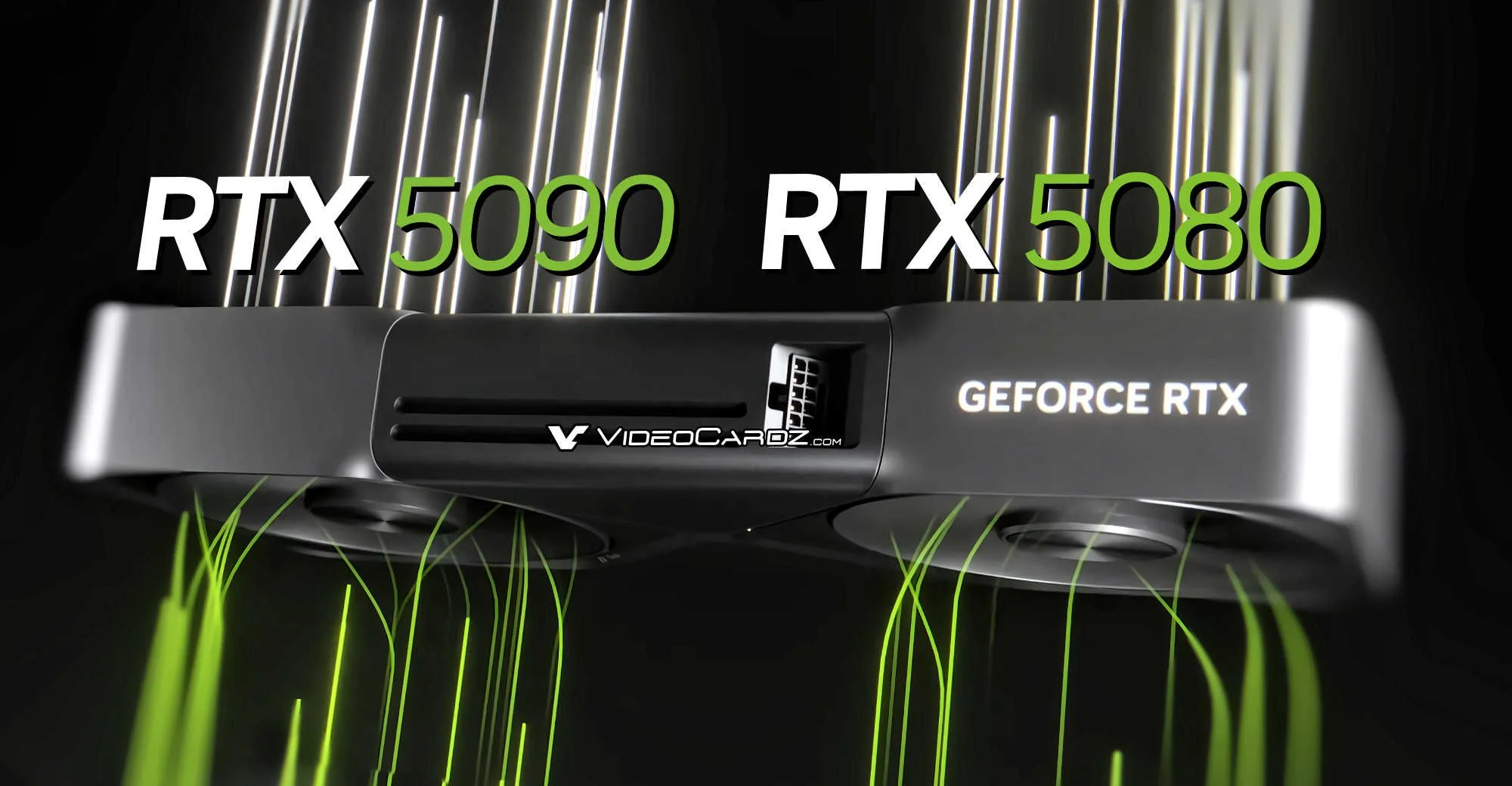
Nvidia GeForce RTX 5090 GPU Benchmarks Show Performance Boost of Up to 46 Percent

Nvidia GeForce RTX 5090 GPU Benchmarks Reveal Significant Performance Gains

At the Consumer Electronics Show (CES) 2025, Nvidia unveiled its latest 50-series Blackwell GPUs, including the highly anticipated RTX 5090 and RTX 5080 models. These GPUs are set to hit the market on January 30, and ahead of their release, early benchmark results have surfaced, offering a glimpse into their performance. According to reports, the GeForce RTX 5090 shows impressive improvements, with some tests indicating a performance boost of up to 46 percent over its predecessor, the RTX 4090.

Performance Improvements Across Different Benchmarks

A detailed report from VideoCardz compiled results from various synthetic benchmarks, revealing that the RTX 5090 could deliver around a 20 percent performance increase compared to the RTX 4090. However, the actual performance boost can vary depending on the specific platform, game, resolution, and settings used during testing. The data suggests that the RTX 5090 is poised to offer a noticeable upgrade for gamers, especially in more demanding applications and higher resolutions.

FireStrike and TimeSpy Benchmarks Show Strong Gains

One of the key benchmarks, FireStrike, which is commonly used to evaluate DirectX 11 gaming PCs, highlighted a 36 percent performance improvement for the RTX 5090 over the RTX 4090. This result was consistent across different testing scenarios, including Performance, Extreme, and Ultra settings. Meanwhile, the DirectX 12-based TimeSpy benchmark also showcased a 33 percent increase in performance on both the Performance and Extreme settings. These results suggest that the RTX 5090 excels in both older and newer gaming titles, offering a substantial boost in frame rates and overall performance.

Anticipation Builds Ahead of Market Release

With the official release of the Nvidia GeForce RTX 5090 just around the corner, these early benchmark results have stirred excitement among gamers and enthusiasts. While the final performance will depend on various factors, the reported improvements over the RTX 4090 suggest that Nvidia’s Blackwell architecture could push the boundaries of graphical performance, particularly in next-gen gaming and high-performance computing tasks. As the market eagerly awaits the arrival of the new GPUs, these benchmarks set the stage for what could be a major leap forward in GPU technology.