Yazılar

Nvidia CEO Highlights Need for Affordable Computing to Drive ‘Reasoning’ AI

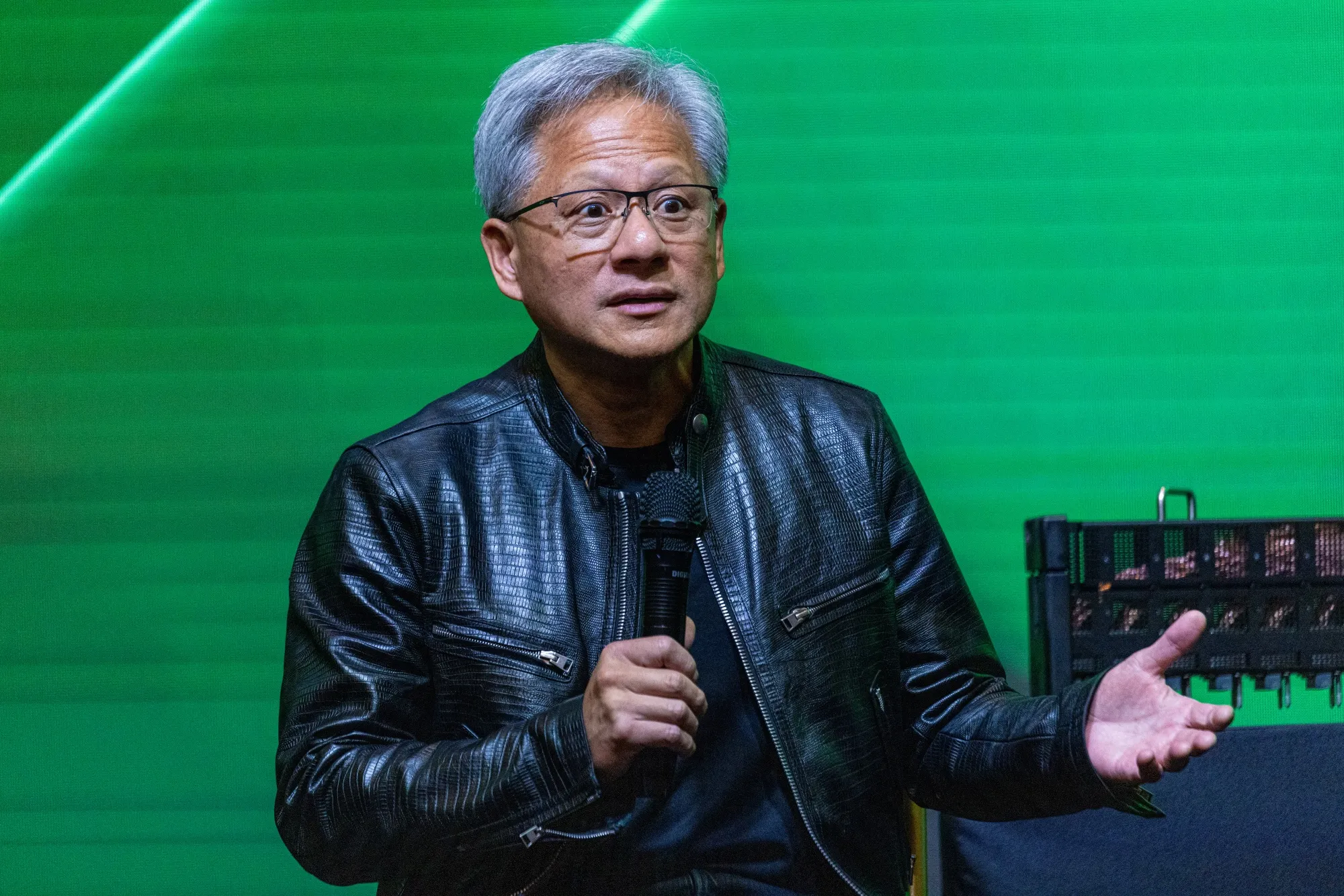
Nvidia CEO Jensen Huang has outlined a vision for the future of Artificial Intelligence (AI), where AI systems will be capable of “reasoning” rather than simply responding to inputs. Speaking during a podcast with Arm Holdings CEO Rene Haas, Huang emphasized that achieving this advanced level of AI will depend on making computing more affordable. Current AI tools, like OpenAI’s ChatGPT, which Huang personally uses daily, are powerful but still limited in their ability to carry out complex reasoning processes. To reach the next stage, AI will need to be able to analyze queries through hundreds or even thousands of steps, reflecting on its conclusions.

This capability would represent a significant leap forward from current AI models, which are highly efficient at generating responses but lack the depth of self-reflection and reasoning. Huang explained that future AI systems will differ by being able to process and interpret information with a much greater degree of complexity. This new form of AI will be more dynamic, capable of reasoning through multiple scenarios before arriving at conclusions, making it more adaptive and intelligent.

To make this vision a reality, Nvidia plans to continue enhancing its hardware capabilities. Huang stated that Nvidia will increase the performance of its chips by two to three times annually, while keeping the cost and energy consumption at current levels. This continuous improvement in chip technology is essential to lowering the cost of computing and making advanced AI systems more accessible. Huang believes that this will lay the foundation for AI models capable of handling inference, or the ability to spot patterns and draw conclusions, at a much more sophisticated level.

The transition to reasoning AI will be transformative, reshaping how AI systems operate and interact with the world. However, Huang noted that this leap will only be possible once the infrastructure required to support such advanced computation becomes affordable. With Nvidia at the forefront of this technological advancement, the company is positioning itself to play a pivotal role in making reasoning AI a mainstream reality.

TSMC Reports 54% Profit Surge Amid AI Boom, Beating Expectations

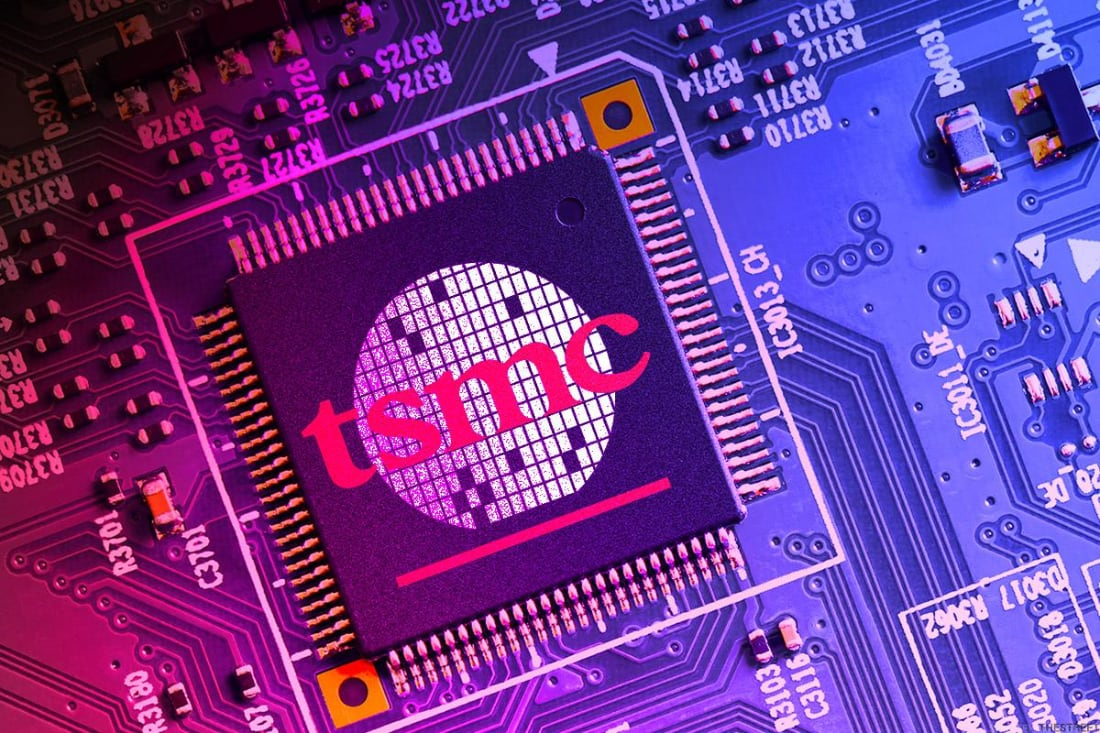
Taiwan Semiconductor Manufacturing Company (TSMC), the world’s largest contract chipmaker, announced on Thursday a significant 54% increase in net profit for the third quarter, largely driven by rising demand for AI-related applications. The company posted a net income of 352.3 billion Taiwanese dollars (approximately $10.1 billion) for the July-September period, surpassing an estimated 300.2 billion Taiwanese dollars, according to LSEG data.

TSMC, which counts major technology companies such as Apple and Nvidia among its clients, saw its net revenue climb to $23.5 billion in the third quarter, marking a 36% year-on-year increase. The company’s gross margin also improved, rising to 57.8%, compared to 54.3% in the same period the previous year.

“Our business was supported by strong smartphone and AI-related demand for our industry-leading 3nm and 5nm technologies,” TSMC stated, reflecting the growing global reliance on advanced semiconductors for AI and mobile applications.

In addition to its impressive profit, TSMC’s shares, listed on the Taipei Stock Exchange, have surged nearly 75% year-to-date, highlighting strong investor confidence in the company’s future growth prospects amid the AI-driven semiconductor boom.

Capital expenditure for TSMC edged slightly higher during the third quarter, reaching $6.4 billion, up from $6.36 billion in the previous three months. This increase reflects the company’s ongoing efforts to expand its production capabilities, especially to meet rising demand from the U.S. market.

In line with its global expansion strategy, TSMC is investing $40 billion to construct two chip plants in Arizona, part of its broader commitment to meet U.S. semiconductor needs. Additionally, the company opened its first manufacturing facility in Japan earlier this year.

TSMC’s positive results contrast with recent news from ASML, a key supplier of chip-making equipment to TSMC, which issued a lower-than-expected sales forecast, sending its shares down. Despite such concerns, the AI boom continues to fuel optimism, though some market watchers question the long-term sustainability of this growth. Notably, Foxconn’s CEO, Young Liu, commented last week that the AI frenzy “still has some time to go,” suggesting that advancements in AI models will continue to drive the demand for cutting-edge semiconductors.


Chip Stocks Decline as ASML’s Weak Outlook Sparks Concerns Over Non-AI Chip Demand

Semiconductor stocks in both the U.S. and Asia took a hit after ASML (ASML.AS), a prominent chip equipment maker, cut its annual sales forecast due to weak demand for non-AI chips. Despite strong demand for AI-related chips, such as those produced by industry giant Nvidia (NVDA.O), the broader semiconductor market is experiencing a slower recovery. This news sent ripples through the sector, dragging down major chip stocks.

Key Losses Across the Sector

Nvidia, which had recently surpassed Apple as the world’s most valuable company, saw a 4.5% drop in its stock price, wiping out approximately $158 billion from its market cap. This widened the gap with Apple, whose value sits at $3.56 trillion. Other major chip firms such as AMD (AMD.O), Intel (INTC.O), Arm, Broadcom (AVGO.O), and Micron (MU.O) fell between 3.2% and 5% by Tuesday’s close. The Philadelphia SE Semiconductor Index dropped nearly 5%, further weighing down the tech-heavy Nasdaq.

The sharp decline followed an apparent error by ASML, which prematurely released its quarterly results, revealing weak bookings and slower-than-expected recovery in chip demand, particularly outside the AI sector. This led to a 16% plunge in ASML’s U.S.-listed shares.

AI Demand vs. Broader Market Weakness

While the demand for AI chips continues to surge, fueled by growing interest in artificial intelligence and machine learning applications, other segments of the chip market remain tepid. Logic chip makers are delaying orders, and memory chip manufacturers are planning only limited new capacity expansions, which signals ongoing weakness in non-AI chip demand.

“ASML’s fat finger error isn’t cause for concern in itself, but the content of the release didn’t make comforting reading for investors,” noted Derren Nathan, head of equity research at Hargreaves Lansdown.

Asian Chipmakers Also Hit

Asian semiconductor companies, many of which are customers of ASML, also suffered losses. Taiwan Semiconductor Manufacturing Co (TSMC), Samsung Electronics, and SK Hynix all saw stock declines ranging from 2.2% to 2.5%. This further underscores concerns that the non-AI chip sector is slowing down, with chip factories having stabilized after racing to build extra capacity during the pandemic.

Samsung, which had earlier warned of disappointing third-quarter profits due to struggles in capitalizing on AI chip demand, continued to face pressure. On the other hand, TSMC, which supplies Nvidia, is expected to report a 40% jump in third-quarter profit, showcasing a more optimistic outlook for companies directly tied to AI chip production.

Geopolitical Tensions and Export Controls

Adding to market concerns, Bloomberg News reported that U.S. officials are considering placing a cap on AI chip export licenses to certain countries, particularly in the Persian Gulf. The move is driven by national security concerns that advanced American chips could be indirectly acquired by China, circumventing existing trade restrictions.

Danni Hewson, head of financial analysis at AJ Bell, remarked, “With the AI revolution expected to play such a huge part in upping productivity and enabling other technological advances, it’s not surprising the U.S. wants to do what it can to maintain its dominance.”

The combination of weak non-AI chip demand and increasing geopolitical tensions highlights the delicate balance chipmakers must navigate as they grapple with shifting market dynamics.