Yazılar

Nvidia to Replace Intel in Dow Jones Industrial Average Amid AI Boom

In a significant change to the Dow Jones Industrial Average, Nvidia will replace longtime rival Intel in the prestigious index, reflecting the rapid growth in artificial intelligence and shifting dynamics within the semiconductor sector. The switch will take effect on November 8. Additionally, Sherwin Williams will replace Dow Inc. in the index, according to S&P Dow Jones.

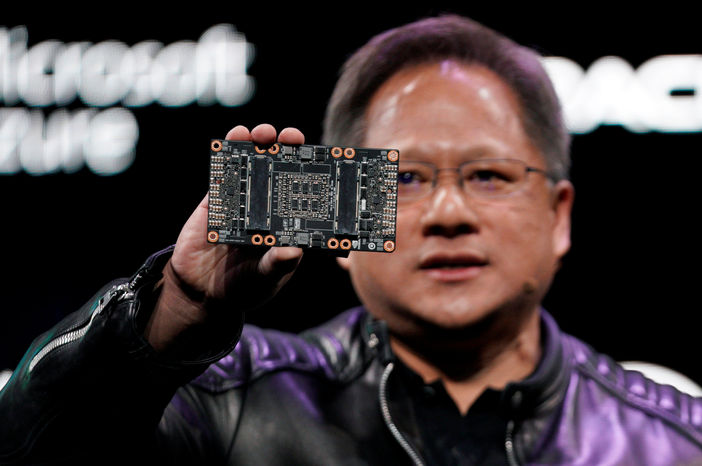
This change comes as Nvidia continues to see record-breaking gains in 2024, with its stock surging by over 170% following a 240% increase last year. The AI chipmaker’s market valuation has reached a staggering $3.3 trillion, trailing only Apple in terms of publicly traded company value. Nvidia’s advanced graphics processing units (GPUs) like the H100 have become essential components for tech giants including Microsoft, Meta, Google, and Amazon, which are purchasing these GPUs in bulk for AI and machine learning projects. Demand for Nvidia’s forthcoming AI GPU, Blackwell, has been described as “insane,” further emphasizing its dominance in the field.

Nvidia’s ascent brings four of the six trillion-dollar technology firms into the Dow, with Alphabet and Meta being the only exceptions. The company’s impressive stock rally was helped by a 10-for-1 stock split announced in May, which reduced its share price by 90%, facilitating its addition to the Dow without disproportionately influencing the index’s price-weighted structure.

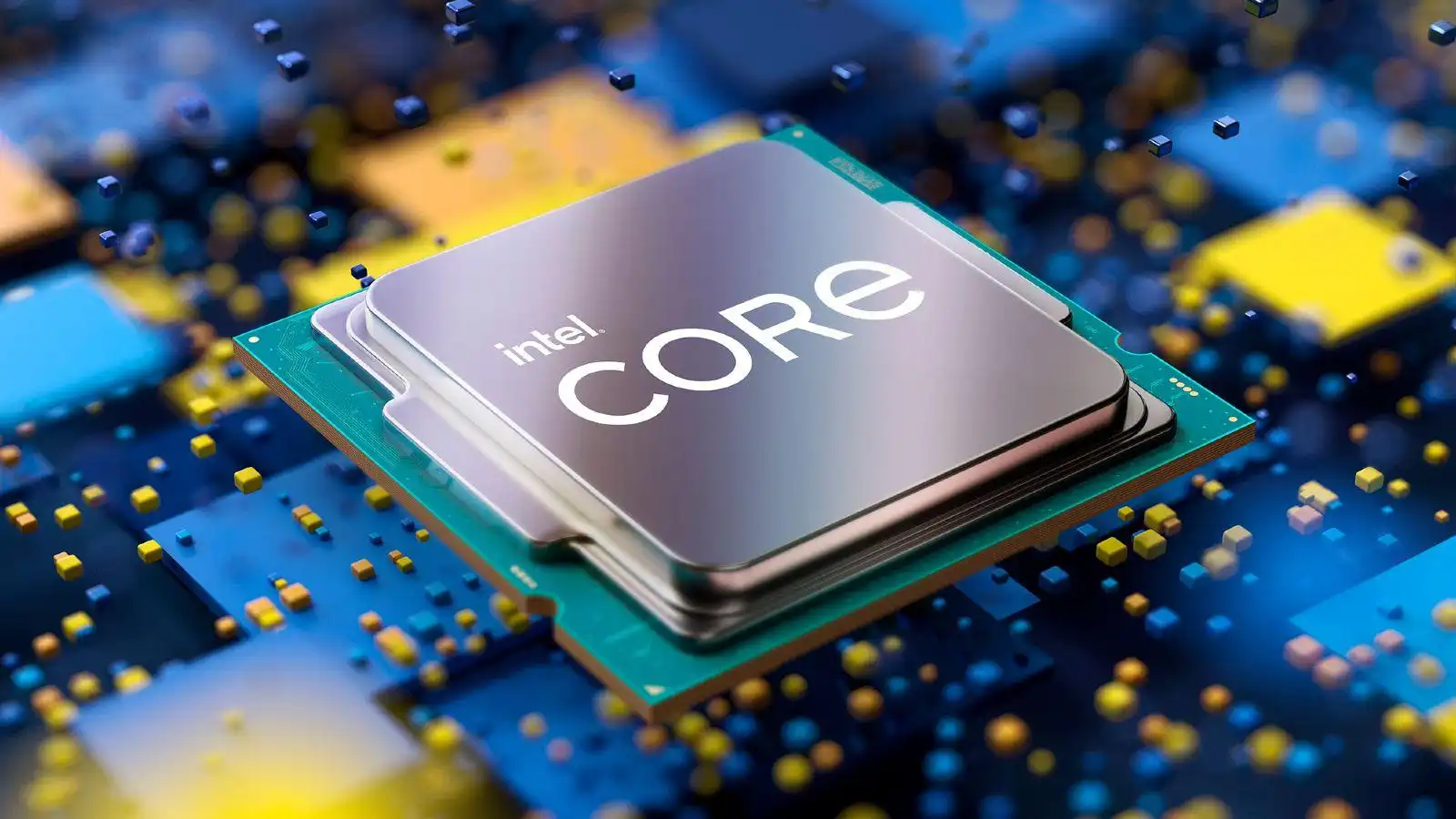
In contrast, Intel has faced significant setbacks, with its stock declining over 50% this year. Once a leader in PC chip production, Intel has lost considerable ground to competitors like AMD and struggled to penetrate the AI sector. These challenges have been compounded by manufacturing issues and increased competition. Intel recently revealed plans to cut 16,500 jobs and reduce its real estate holdings, a part of cost-saving measures approved by the board’s audit and finance committee.

This change marks the Dow’s first adjustment since Amazon replaced Walgreens Boots Alliance in February. Historically, the index has lagged in adding the largest technology firms, but the inclusion of Nvidia underscores its commitment to capturing the growing influence of the tech industry.


Intel’s AI Chip Sales Fail to Meet Projections Despite Optimistic Forecasts

Intel’s (INTC.O) revenue forecast exceeded market expectations on Thursday, but the results highlighted a weak spot for the tech giant: sales of its AI-focused Gaudi chips have significantly missed targets. Initially projecting sales of over $500 million for Gaudi AI accelerator chips in 2024, Intel has now abandoned that forecast. CEO Pat Gelsinger attributed the slow sales to issues with software compatibility and the ongoing transition from Gaudi’s second to third generation.

Despite Intel’s promising overall revenue, which boosted its stock by 5% in early trading on Friday, the company’s shares are still down by over 50% for the year. Intel continues to face challenges in capitalizing on the AI market, where its main competitor, Nvidia (NVDA.O), has consistently led. After the 2022 launch of the AI tool ChatGPT, powered by Nvidia’s GPUs, Intel hoped its AI offerings could capture more market share. Gelsinger had pushed for higher projections, advocating for a $1 billion revenue goal in 2023, as Nvidia’s sales soared in comparison.

Intel faced obstacles early on in its AI strategy. In July, Gelsinger announced a “pipeline of opportunities” worth over $1 billion for Gaudi, though Reuters sources indicate Intel did not secure adequate chip supplies from contract manufacturer TSMC (2330.TW) to fulfill this target. Intel defended its high projections, stating that not all pipeline opportunities translate into revenue but emphasizing its drive for ambitious internal goals.

In 2023, Intel assured investors it had the potential to secure over $2 billion in AI-chip deals, with an expectation of generating over $500 million in AI revenue for 2024. On Thursday, however, Gelsinger confirmed that this forecast had been withdrawn, shifting focus to longer-term opportunities in AI.

Analysts expressed skepticism regarding Intel’s future in AI. Vivek Arya of Bank of America asked Intel about its AI strategy in light of potentially losing CPU market share and lacking a competitive AI product. Gelsinger replied that CPUs were increasingly significant in AI data centers and that customer interest in Gaudi remained promising, especially with the improved benchmarks of the chip’s third generation.

In the broader picture, Intel reported $13.3 billion in third-quarter revenue, surpassing analysts’ expectations, although it posted a loss of $16.6 billion due to impairment and restructuring charges. According to Michael Ashley Schulman, Chief Investment Officer of Running Point Capital, Intel’s focus on cost-cutting and growth has potential, though he noted concerns over Gelsinger’s management approach, suggesting Intel’s leadership might be overestimating its progress and market position.


Nvidia Surpasses Apple to Become World’s Most Valuable Company Amid AI Chip Demand Surge

Nvidia briefly overtook Apple as the world’s most valuable company on Friday, fueled by a record-setting rally in its stock, largely driven by demand for its AI-focused chips. Nvidia’s market value briefly hit $3.53 trillion, slightly outpacing Apple’s $3.52 trillion before settling near Apple’s valuation. This is the second time this year that Nvidia has reached the top spot, previously contending with Apple and Microsoft for global market cap dominance.

The Silicon Valley chip giant’s stock has surged about 18% in October alone, spurred in part by OpenAI’s recent $6.6 billion funding announcement, which renewed optimism for AI technology. Nvidia, originally known for gaming processors, is now the preferred supplier of AI chips in a market led by Microsoft, Alphabet, Meta, and other tech titans. This week, further gains were prompted by Western Digital’s strong quarterly performance, indicating strong demand from data centers.

Amid these successes, Apple faces lukewarm iPhone sales, with a slight dip in China as Huawei’s sales grew 42%. Apple’s Q3 revenue is projected to rise 5.5% year over year to $94.5 billion, compared to Nvidia’s anticipated 82% jump to $32.9 billion, reflecting the rapid growth in AI adoption. Nvidia’s shares, now 190% higher this year, have gained significant traction in the options market, with bullish investors banking on sustained AI demand.