Yazılar

AI-driven data centre boom boosts ABB’s U.S. sales and orders

Swiss engineering giant ABB reported a strong third quarter as surging investment in data centres across the United States drives demand for its industrial robots, electrification products, and power solutions.

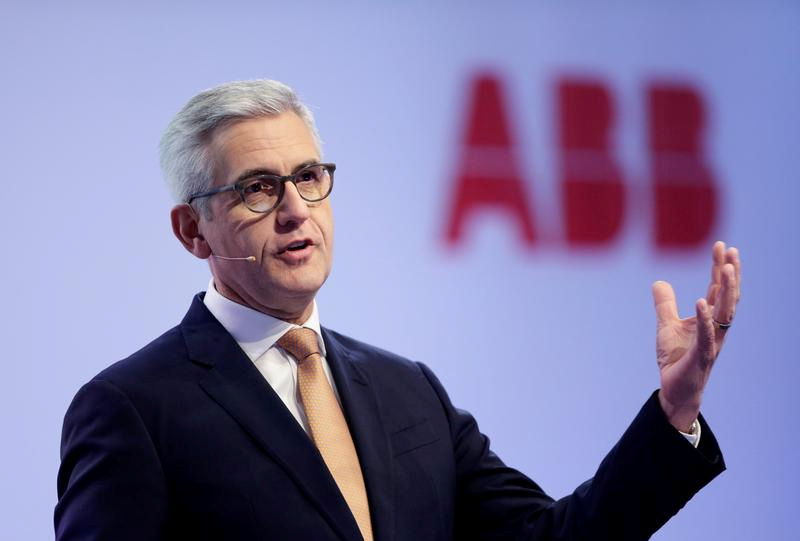
The company said new U.S. orders rose 27% in the third quarter, powered largely by the expansion of data centres needed to process artificial intelligence workloads. “It’s the normal standard business where there is strong demand,” said CEO Morten Wierod, noting the rise was not linked to U.S. import tariffs.

ABB generates about 7% of its revenue from data centres, up from 6% a year ago, and provides uninterruptible power supplies and electrification systems that keep critical servers online. Wierod said the AI boom is also driving broader electrification, forcing utilities and industrial sectors to increase investments.

Earlier this week, ABB announced a partnership with Nvidia to develop advanced infrastructure for next-generation data centres.

The company posted a 12% rise in operating EBITA to $1.74 billion, topping forecasts, while revenue grew 11% to $9.08 billion. Orders also climbed 12%. ABB’s shares initially rose 2.5% after the results before easing later in the session.

Chief Financial Officer Timo Ihamuotila, who will step down next year, said U.S. tariffs have had only a limited impact, costing “tens of millions” of dollars in profit, which the company has offset with price adjustments and efficiency gains. ABB currently manufactures about 75–80% of its U.S. products domestically, with plans to raise that to 90% through new factory investments.

Macquarie says $40 billion Aligned sale not a signal of AI or data centre peak

Macquarie Asset Management (MAM) chief Ben Way said the firm’s $40 billion sale of Aligned Data Centers does not signal an end to the global data centre boom or investor confidence in artificial intelligence infrastructure.

Aligned, one of the world’s largest data centre operators, was owned by Macquarie for seven years before being sold to a group including BlackRock, Microsoft, and Nvidia. The sale represents Macquarie’s largest private equity exit and values Aligned at 5 gigawatts of current and planned capacity.

“We don’t own businesses in perpetuity,” Way told Reuters. “It’s at a great spot to exit — and there’s clearly massive demand to enter. We’re at the beginning, not the end, of the AI and data centre journey.”

Despite industry chatter about a potential bubble, Way said AI-driven digitalization remains a powerful long-term growth driver. Global tech giants including Alphabet, Amazon, Meta, Microsoft, and CoreWeave are expected to spend $400 billion this year on AI infrastructure, according to Morgan Stanley.

Macquarie said it continues to expand its data centre portfolio, including investments in Bohao Internet Data Service, Hanam Data Centre, Netrality Data Centers, and VIRTUS, spanning the U.S., UK, China, and South Korea.

Earlier this month, MAM also announced plans to invest up to $5 billion in Applied Digital to fund two new high-performance computing centres.

“This isn’t a retreat,” Way emphasized. “The world still has a long way to digitalize — and we’re only at the precipice of AI endeavour.”

Macquarie Group shares jumped 5.13% to A$229 on Thursday, their highest since July, outpacing the 0.9% rise in Australia’s benchmark S&P/ASX200 index.

Chip stocks surge after TSMC boosts outlook on soaring AI demand

Global semiconductor stocks rose on Thursday after Taiwan Semiconductor Manufacturing Co (TSMC) issued a strong revenue forecast and reported record quarterly profits, underscoring surging demand for chips that power artificial intelligence systems.

TSMC — the world’s largest contract chipmaker and a key supplier to Nvidia and Apple — raised its full-year revenue guidance to mid-30% growth, up from around 30%, citing stronger-than-expected AI spending and data center expansion. Analysts say this marks a shift from a cyclical boom to a structural uptrend driven by AI infrastructure demand.

“This isn’t just a transient spike. TSMC’s blowout quarter tells a clear story — this is structural,” said Kate Leaman, chief market analyst at AvaTrade.

The upbeat forecast sent semiconductor stocks higher worldwide. Micron Technology gained about 4%, Broadcom climbed 2.4%, Marvell Technology added 1.3%, and Nvidia rose 1.2%. In Asia, Samsung Electronics advanced 2.8%.

The rally came amid a week of massive AI-related deals, including BlackRock’s $40 billion acquisition of data-center operator Aligned and a partnership between OpenAI and Broadcom to build 10 gigawatts of custom chips — enough to power more than eight million U.S. homes.

The developments reinforce Wall Street’s conviction that AI hardware remains the core driver of tech investment, nearly three years after ChatGPT’s debut. On Wednesday, Salesforce also projected revenue above $60 billion by 2030, driven by rapid AI integration across its cloud services.