Yazılar

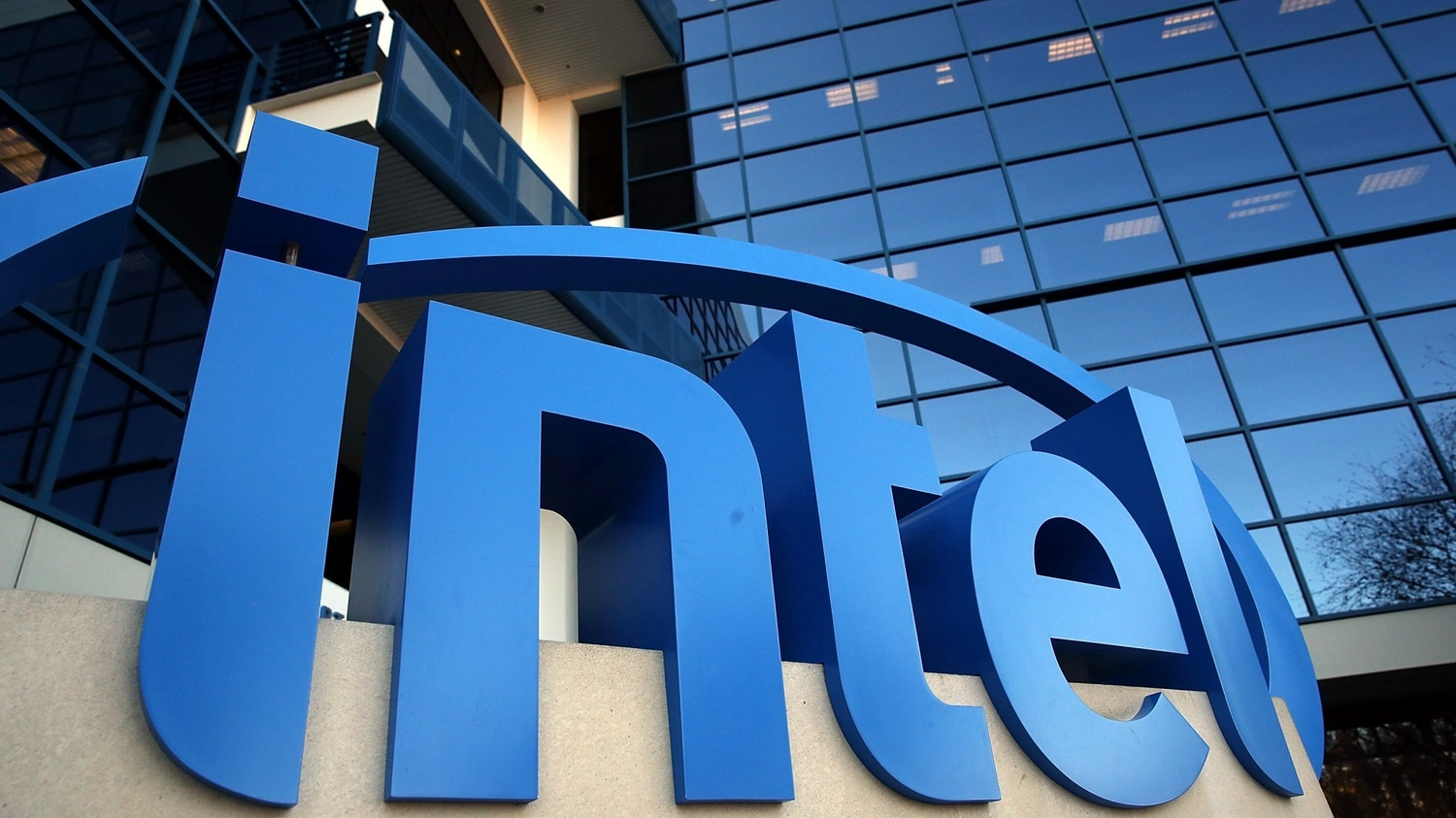
Intel to unveil Panther Lake chip details, its first built entirely on 18A process

Intel plans to reveal the technical architecture of its upcoming laptop chip, Panther Lake, on Thursday, according to sources cited by Reuters. The disclosure aims to reassure investors about Intel’s progress on its long-awaited 18A manufacturing process, the company’s next-generation technology platform developed after years of costly setbacks.

The Panther Lake chips will serve as Intel’s high-end mobile processors, featured in premium laptops. They are the first large-scale products built entirely using 18A — a key milestone as Intel seeks to reclaim market share lost to AMD and TSMC. The chipmaker conducted in-depth technical briefings and factory tours last week in Arizona, showcasing the redesigned architecture, including the AI engine, graphics cores, and media processing unit optimized for 18A.

According to those briefed, Panther Lake offers 30% better energy efficiency and up to 50% greater data processing power compared to its predecessor, Lunar Lake — a chip largely produced by TSMC. Intel executives said the new processors are expected to debut in early 2026.

The Arizona event underscored how vital Panther Lake is to Intel’s turnaround. The company reported a $2.9 billion loss in the second quarter and warned that future investments in its 14A process depend on finding new customers. Following political and financial turbulence — including President Trump’s call for CEO Lip-Bu Tan’s resignation and subsequent investments from SoftBank and Nvidia — Intel is under pressure to deliver results.

The Fab 52 facility in Arizona, built under former CEO Pat Gelsinger’s global expansion strategy, now houses the 18A process, featuring a new transistor design and more efficient power delivery. Intel did not disclose yield rates for Panther Lake, though previous reports indicate the success rate has improved from 5% to about 10% this year.

Elon Musk’s xAI closing in on $20 billion raise backed by Nvidia chips

Elon Musk’s artificial intelligence startup, xAI, is nearing a massive $20 billion capital raise tied to Nvidia’s cutting-edge GPU technology, according to Bloomberg News. The report says the financing will combine both equity and debt, with Nvidia investing up to $2 billion as part of the equity tranche.

The funds are linked to Nvidia’s graphics processing units (GPUs), which xAI plans to deploy in its upcoming Colossus 2 data center. The financing structure reportedly includes around $7.5 billion in equity and as much as $12.5 billion in debt, channeled through a special purpose vehicle (SPV) designed to purchase Nvidia chips.

Neither Nvidia nor xAI has commented publicly on the deal. However, the move signals a deepening relationship between the world’s leading AI hardware maker and one of its most ambitious software challengers.

In September, Musk dismissed reports claiming xAI was raising $10 billion at a $200 billion valuation, though he confirmed the company would seek capital “in the coming months.” Founded in July 2023, xAI aims to build an alternative to OpenAI’s ChatGPT, focusing on developing artificial general intelligence systems with tighter integration to Musk’s broader tech ecosystem.

Nvidia will continue sponsoring H-1B visas despite Trump’s new $100,000 fee

Nvidia CEO Jensen Huang has confirmed that the company will keep sponsoring H-1B visas and pay all associated fees, even after President Donald Trump’s recent executive order that added a $100,000 charge per new application, according to Business Insider.

Huang’s internal message sought to reassure foreign employees after confusion rippled through the tech sector, especially among Indian and Chinese professionals who form a large share of H-1B visa holders. The company employs many workers from abroad, and Huang has often noted that nearly half of the world’s AI researchers are Chinese.

“As one of many immigrants at Nvidia, I know the opportunities we’ve found in America have profoundly shaped our lives,” Huang wrote. “The miracle of Nvidia — built by all of you, and by brilliant colleagues around the world — would not be possible without immigration.”

Under Trump’s order, new H-1B applicants cannot enter the U.S. unless their employer pays an additional $100,000 fee. The rule does not affect current visa holders or those who applied before September 21.

H-1B visas enable U.S. firms to hire foreign specialists in technical fields. Lawmakers recently questioned major tech companies about their reliance on H-1B hiring while cutting other jobs.

Huang emphasized that legal immigration remains essential for America’s leadership in technology and innovation, saying the new policy changes reaffirm this principle. Data from USCIS shows that California — home to Nvidia and Silicon Valley — has led the nation in visa applications since 2018.