Yazılar

Nintendo Partners with Samsung to Boost Production of Switch 2 Chips

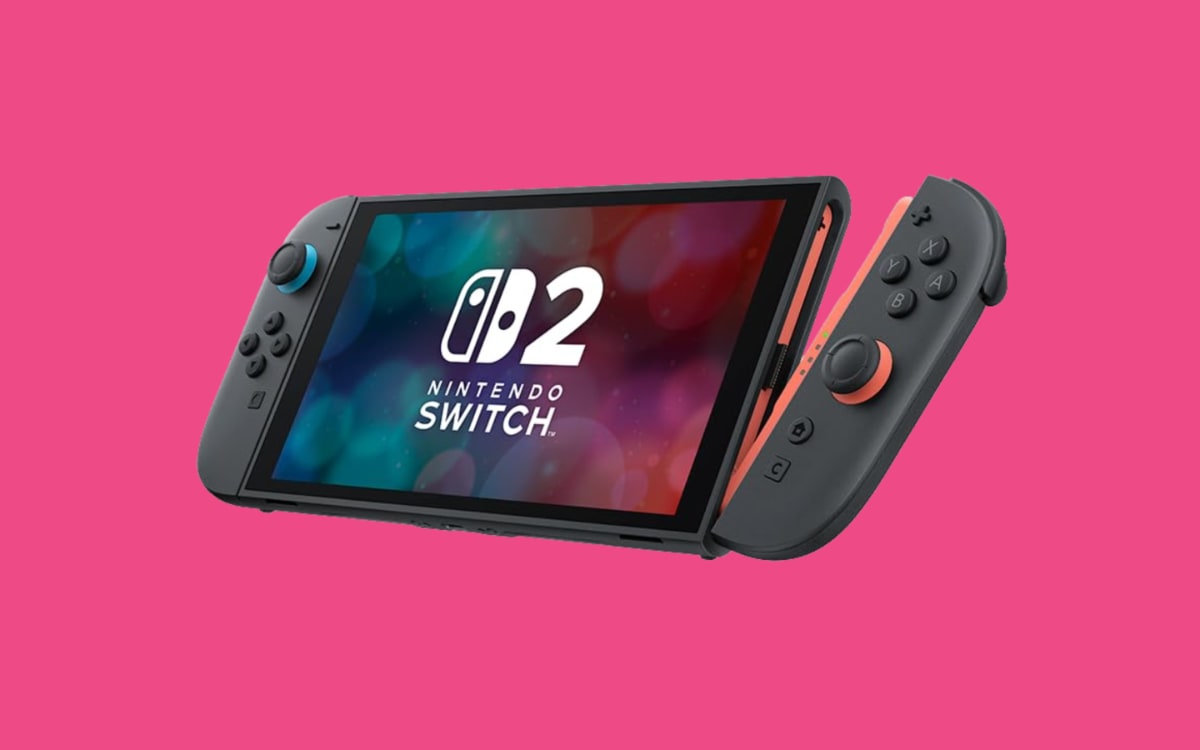
Nintendo has partnered with Samsung Electronics to manufacture the main chips for its upcoming Switch 2 gaming console. This strategic move aims to significantly boost production capacity, enabling Nintendo to surpass its earlier sales projection and potentially sell over 20 million units by March 2026. By collaborating with Samsung, Nintendo hopes to meet strong market demand and strengthen its position in the competitive gaming industry.

This deal marks an important win for Samsung as it continues to challenge Taiwan Semiconductor Manufacturing Co. (TSMC) in the global semiconductor market. Samsung is currently producing a customized chip designed by Nvidia for the Switch 2, using its 8-nanometer process technology. The partnership is expected to increase the utilization of Samsung’s chip foundries, bolstering its contract manufacturing business—a segment that has faced stiff competition from TSMC’s industry-leading production capabilities.

Samsung already supplies memory chips and displays to Nintendo, but breaking further into the contract chipmaking market has been challenging due to TSMC’s dominance. However, this collaboration with Nintendo and Nvidia signals growing confidence in Samsung’s ability to deliver high-quality chips at scale. With the ability to ramp up production as needed, Samsung is positioned to support Nintendo’s ambitious shipping targets, though actual output will also depend on assembly partners like Foxconn Technology Group.

Despite the excitement around this partnership, Nintendo remains discreet about its suppliers and production details. The company has maintained its official sales forecast of 15 million units, noting that this figure was set before factoring in any tariff impacts. While Samsung and Nvidia declined to comment, industry watchers see this deal as a clear endorsement of Samsung’s growing role in the contract semiconductor space and a strategic win in the ongoing race to supply next-generation electronics.

Kraken Launches Tokenized U.S. Equities for 24/7 Trading Outside U.S.

Kraken, the crypto exchange, announced Thursday it is launching tokenized versions of U.S. stocks, including Apple, Tesla, and Nvidia, allowing investors outside the U.S. to trade equities 24/7 — a step toward bridging traditional finance and blockchain.

The product, called xStocks, provides digital tokens that represent ownership of publicly traded U.S. equities. Investors won’t directly hold the underlying shares, but rather tokens that mirror the stocks’ value, offering flexibility and round-the-clock access typically unavailable in traditional stock markets.

Key Details:

  • Availability: Limited to select markets outside the U.S.

  • Trading hours: Available 24/7

  • Not offered to: U.S. customers

  • Underlying equities: Includes high-profile companies such as Apple, Tesla, and Nvidia

Kraken did not disclose which countries or jurisdictions will have access to xStocks, but the move reflects the growing interest in tokenizing real-world assets.

Why It Matters

Tokenization — issuing blockchain-based digital versions of real assets — is increasingly being seen as a tool to:

  • Expand market access globally

  • Enable fractional ownership and enhanced liquidity

  • Offer trading during non-market hours, especially useful for international investors

“Tokenized securities could radically reshape how retail and global investors access financial markets,” proponents argue.

Earlier this year, Robinhood CEO Vlad Tenev endorsed tokenization in a Washington Post op-ed, suggesting it could also open access to private markets.

Broader Context

The launch comes as enthusiasm for blockchain intensifies, partly fueled by:

  • Bitcoin’s strong performance

  • Expectations of lighter regulation under U.S. President Donald Trump

  • Growing demand to integrate traditional assets into decentralized finance (DeFi) systems

While tokenized securities are still in their early adoption phase, Kraken’s initiative places it at the forefront of hybrid finance innovation, offering a glimpse into the future of global capital markets.

Nvidia CEO Jensen Huang Backs Trump’s Plan to Ease AI Chip Export Curbs

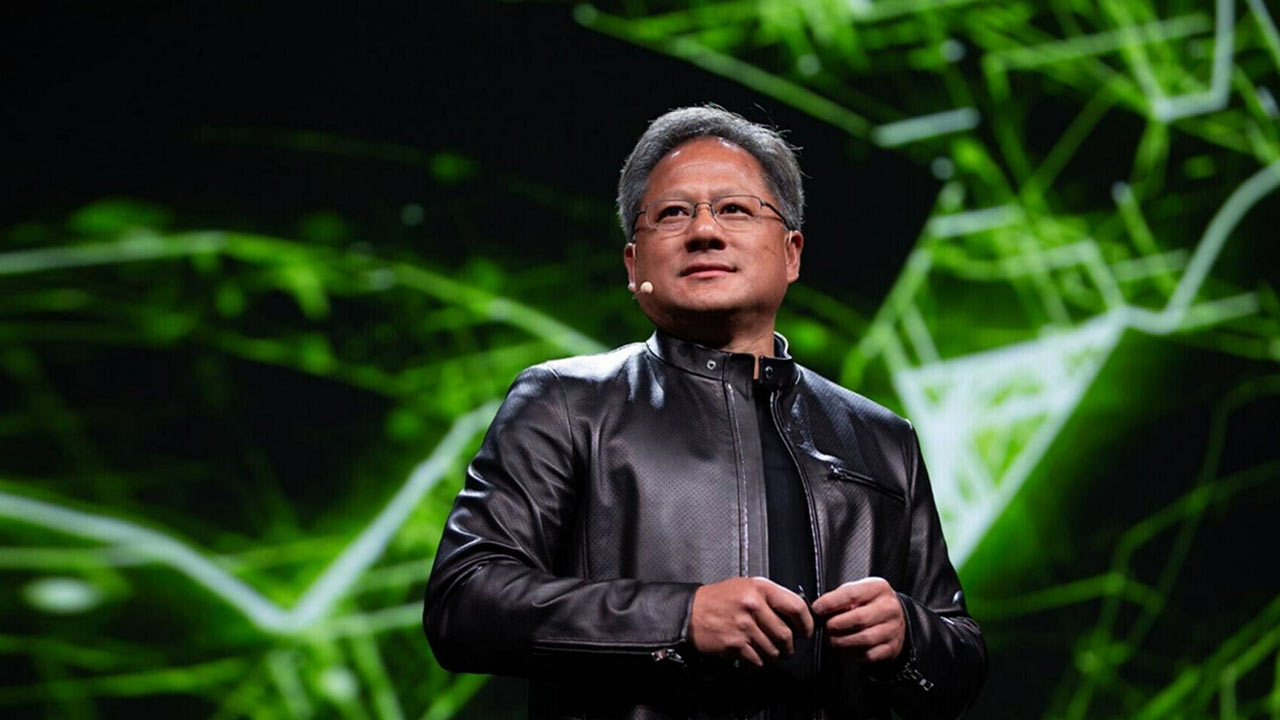
Nvidia CEO Jensen Huang has strongly criticized U.S. export restrictions on AI chips to China, calling them a “failure” that cost American firms billions in lost sales while accelerating China’s self-reliance in semiconductor development. Speaking at the Computex conference in Taipei, Huang welcomed the Trump administration’s decision to reverse some of the Biden-era controls, signaling a shift that could reshape global tech policy.

“The fundamental assumptions that led to the AI diffusion rule have been proven to be fundamentally flawed,” Huang said, referring to the Biden administration’s three-tiered export control regime, which entirely blocked sales of advanced chips to China.

Impact on Nvidia and U.S. Industry

Since the Biden administration’s controls came into effect, Nvidia’s market share in China fell from 95% to 50%, Huang revealed. Nvidia has been hit particularly hard, taking a $5.5 billion charge in April related to its blocked H20 chip, and Huang now estimates total revenue loss at $15 billion.

Despite these setbacks, Huang noted that AI research in China has continued unabated and is now being powered by local technologies, particularly chips from Huawei and other Chinese semiconductor designers. He estimated that China’s AI market will be worth $50 billion in 2025 and called the competition there “intense”.

“They would love for us never to go back to China,” he said.

Trump’s Strategy: A Shift in Direction

Huang praised the Trump administration’s plan to move away from rigid export tiers and toward a global licensing regime based on government-to-government agreements. The proposed shift could provide the U.S. more flexibility and leverage in trade negotiations while also easing pressure on U.S. tech firms.

“President Trump realises it’s exactly the wrong goal,” Huang said, arguing that isolating China from U.S. tech would not stop AI innovation and only encourage the growth of competitive alternatives.

Nvidia’s Workaround

Nvidia is now developing a new version of its Blackwell AI chip that includes slower memory, allowing it to comply with current U.S. restrictions while still serving key markets.

Rising Tensions

China responded sharply to recent U.S. moves that warned firms against using Chinese-made AI chips like Huawei’s Ascend, urging the U.S. to “immediately correct its wrongdoings.” Beijing warned that such measures violate trade agreements and undermine cooperation, threatening “resolute” countermeasures.

Industry Outlook

While the Biden administration had aimed to contain China’s semiconductor and military advancements, the unintended consequence appears to be a rapid buildup of China’s domestic AI and chipmaking capabilities. Huang’s remarks underscore the growing frustration within U.S. tech circles over policies they say are self-damaging.

Meanwhile, Nvidia continues to dominate the global AI infrastructure market, with new product announcements at Computex expected to further boost its $130.5 billion revenue base.