Yazılar

Nvidia CEO Predicts Humanoid Robot Revolution Within Five Years

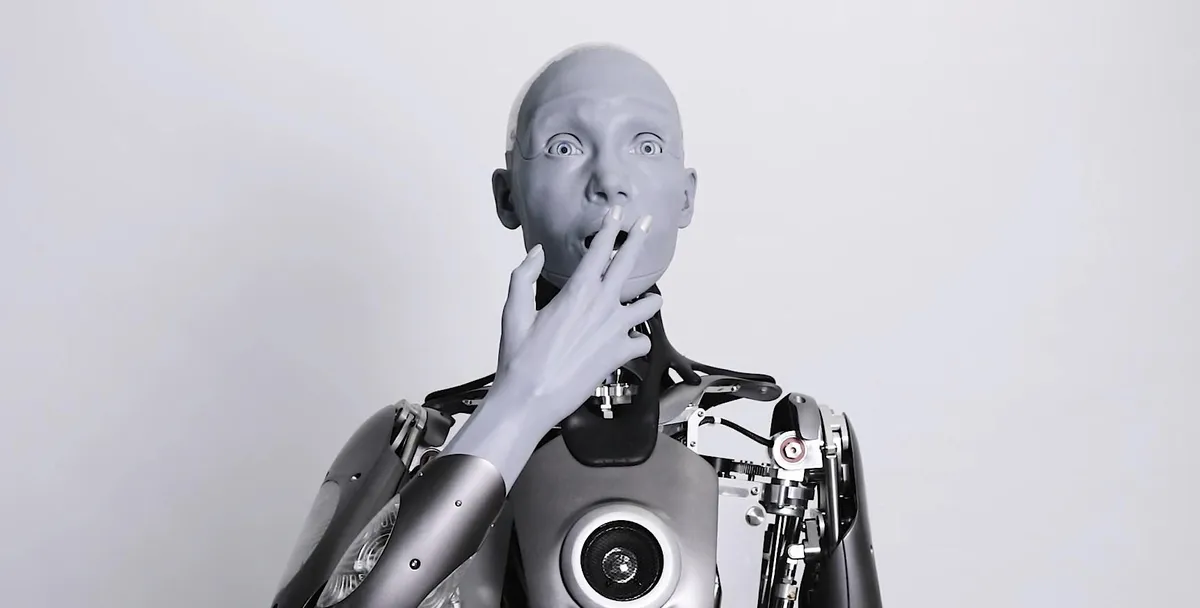
Nvidia CEO Jensen Huang has predicted that humanoid robots will become widely used in manufacturing within the next few years, much sooner than many expect. Speaking at the company’s annual developer conference in San Jose, California, Huang unveiled new software tools designed to help robots navigate real-world environments more effectively.

In a conversation with journalists after his keynote address, Huang emphasized that the widespread presence of humanoid robots is not a long-term vision but an imminent reality. He suggested that manufacturing will be the first industry to adopt these robots due to its structured environment and well-defined tasks, making automation more feasible.

Factories provide a controlled setting where humanoid robots can be integrated with minimal disruption, Huang explained. He also highlighted the economic advantages, noting that the cost of renting a humanoid robot could be around $100,000, making them a viable alternative to human labor in certain roles.

Nvidia’s advancements in AI and robotics continue to drive innovation in automation, with the company at the forefront of enabling next-generation robotic systems.

Nvidia to Invest Billions in U.S. Chip Production Over Four Years

Nvidia (NVDA.O) plans to invest hundreds of billions of dollars in U.S.-made chips and electronics over the next four years, CEO Jensen Huang told the Financial Times. The company expects to spend around $500 billion on electronics during this period, with a substantial portion allocated to domestic manufacturing.

Huang emphasized that the U.S. AI industry could expand more rapidly with support from government policies. His comments come as Nvidia seeks to address investor concerns about demand for its high-cost AI chips, especially following the emergence of China’s DeepSeek chatbot as a potential competitor.

While Nvidia declined to comment on the FT report, Huang stated that the company can now manufacture its latest systems in the U.S. through key suppliers like Taiwanese chipmakers TSMC (2330.TW) and Foxconn (2317.TW). He also noted an increasing competitive threat from China’s Huawei.

Huang highlighted that TSMC’s U.S. investments significantly strengthen Nvidia’s supply chain resilience. Earlier, at Nvidia’s developer conference in California, he told analysts that orders for 3.6 million Blackwell AI chips from four major cloud firms likely underestimate actual demand, as they do not account for customers such as Meta Platforms (META.O), smaller cloud providers, and startups.

UAE Seeks Easier Access to US Chip Technology, Bloomberg Reports

Sheikh Tahnoon bin Zayed Al Nahyan, the UAE’s national security adviser, is set to visit Washington next week to discuss easier access to U.S. technology and potential investment opportunities in the U.S., according to Bloomberg News. Sheikh Tahnoon, who is also the brother of the UAE’s president, is expected to meet with key officials from the Trump administration, including Commerce Secretary Howard Lutnick, Treasury Secretary Scott Bessent, and National Security Advisor Mike Waltz. The participation of President Trump is still uncertain.

The UAE’s push for greater access to American technology comes amid tighter restrictions on the export of artificial intelligence chips imposed by the U.S. government at the start of 2025. This includes Nvidia chips, essential for advanced AI development, with some countries, like Japan, Britain, South Korea, and the Netherlands, receiving exemptions from the new rules. However, countries like the UAE, Saudi Arabia, and Singapore will face some caps on access.

The UAE, seeking to develop its own advanced technology sector, is particularly eager to acquire cutting-edge American innovations. However, the U.S. concerns about the UAE’s close ties to China have raised obstacles to deeper cooperation. Sheikh Tahnoon’s visit is reportedly at the request of the Trump administration, as both nations continue to navigate their strategic technology and trade relations.