Yazılar

AI Revolutionizing Oil and Gas Industry, Boosting Efficiency and Reducing Costs

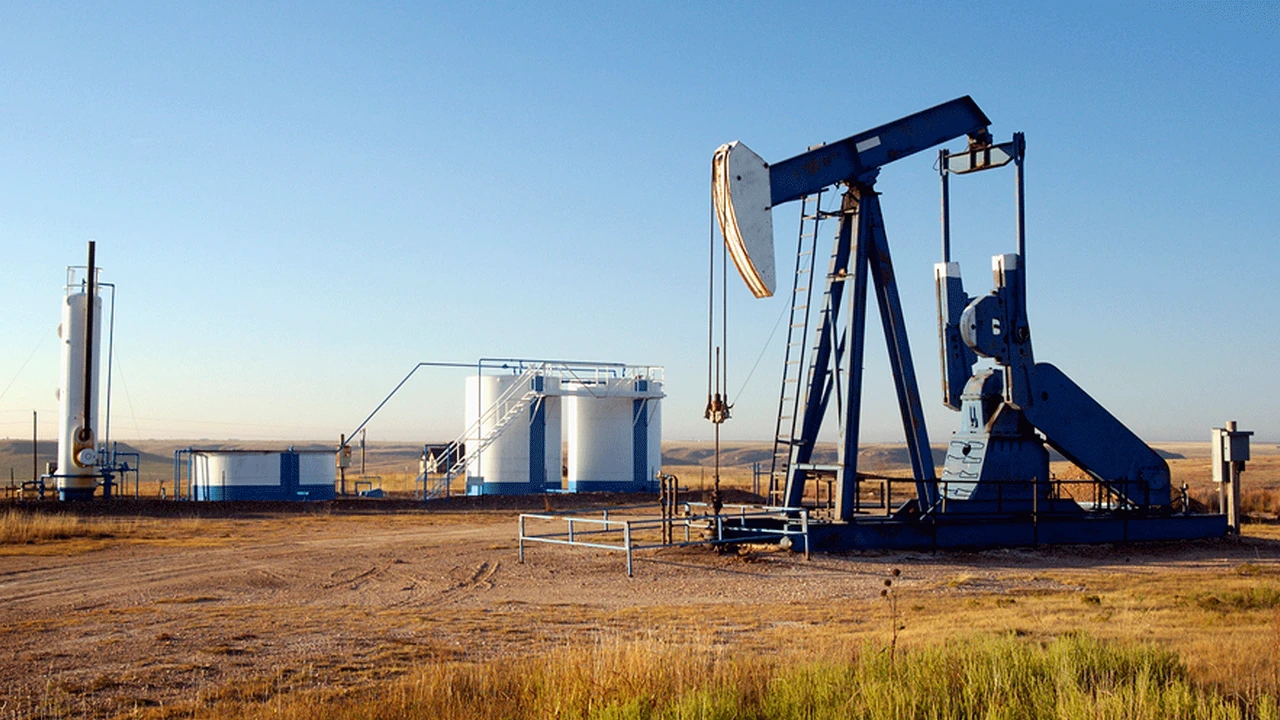
Artificial intelligence (AI) is transforming the oil and gas industry, speeding up drilling processes, reducing costs, and enabling companies to explore previously unfeasible sites, executives highlighted at the CERAWeek conference in Houston. As oil prices continue to fluctuate and global demand faces potential challenges, including U.S. President Donald Trump’s tariffs, oil producers are turning to AI to remain competitive.

Leading oil companies are increasingly deploying AI to optimize their operations. BP, for example, is using AI to steer drill bits and predict potential problems in wells, allowing them to drill more efficiently and improve capital allocation. Ann Davies, BP’s Senior Vice President of Wells, noted that AI has enabled the company to increase the number of wells drilled per year.

Devon Energy is also leveraging AI to drill in areas previously deemed unfeasible. Trey Lowe, Devon’s Chief Technology Officer, explained that AI helps the company gather critical data about geological faults, allowing them to drill on the other side to avoid complications.

Chevron has implemented AI-powered drones to monitor shale operations in Texas and Colorado. These drones help detect potential issues such as emissions leaks and alert field workers in real time. After using drones for three months in partnership with Percepto, Chevron reported a reduction in production downtime for repairs, which contributes to more efficient oil and gas production.

Additionally, Devon Energy has applied machine learning models to monitor oil rigs across the U.S., resulting in a 25% improvement in the productive life of its oil and gas wells. BP is also using AI to expedite offshore drilling, analyzing seismic data in the Gulf of Mexico in weeks instead of months, enabling quicker decision-making on where to drill.

AI’s ability to analyze large data sets quickly is revolutionizing the sector, according to Chicheng Xu, founder of OpenPetro AI. AI can create three-dimensional visualizations of underwater features in record time, offering insights that would otherwise take humans much longer to achieve.

These AI advancements not only improve operational efficiency but also give companies a competitive edge. As Trey Lowe of Devon Energy emphasized, companies that fail to adopt AI risk falling behind in the industry.
COP29 Chief Executive Caught Promoting Fossil Fuel Deals, Raising Concerns About the Conference’s Integrity

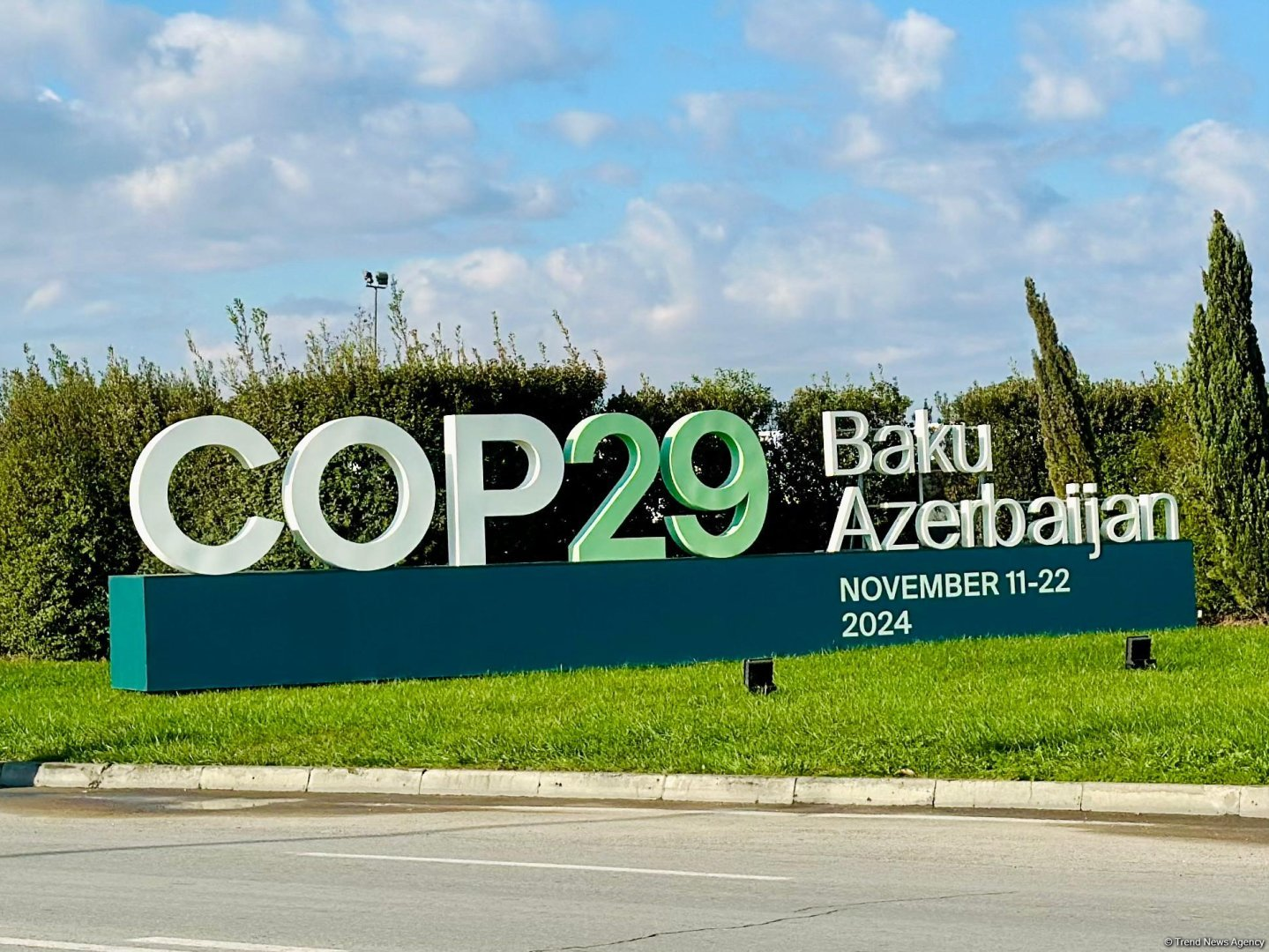
A senior official at the COP29 climate change conference, set to take place in Baku, Azerbaijan, has been caught in a covert video promoting fossil fuel deals while using his position. Elnur Soltanov, the CEO of Azerbaijan’s COP29 team and deputy energy minister, was filmed discussing investment opportunities in the state oil and gas company, Socar, with a man posing as a potential investor. In the recording, Soltanov highlights the country’s many untapped gas fields and the potential for joint ventures, describing natural gas as a “transitional fuel.”

The secret footage raises serious ethical concerns, with critics calling it a betrayal of the COP process. Christiana Figueres, former head of the UN climate change body and architect of the 2015 Paris Agreement, called Soltanov’s actions “contrary and egregious” to COP’s purpose, accusing him of undermining efforts to combat climate change. She described the behavior as a “treason” to the COP process, which is meant to address the world’s reliance on fossil fuels, not facilitate their expansion.

Soltanov, who also sits on the board of Socar, was caught suggesting the fake investor could sponsor COP29 in exchange for discussions about oil and gas investments in Azerbaijan. Despite initially promoting “green transitioning projects,” Soltanov quickly shifted focus to the country’s plans to increase gas production and develop new pipeline infrastructure. He even implied that Socar could open doors for business ventures in the energy sector, including oil and gas, promoting the idea that the doors of Azerbaijan’s energy sector were “open” to anyone with solutions.

The revelation is the latest in a series of controversies surrounding COP hosts. This year marks the second consecutive year that the BBC has reported issues with the host nation’s behavior. Documents and recordings obtained by the human rights group Global Witness reveal the COP29 team discussing a sponsorship deal with a fictitious Hong Kong-based investment firm in exchange for access to the country’s oil and gas business.

The actions of Soltanov and the COP29 team, including offering passes for full access to the summit in exchange for support in energy investments, seem to be in direct violation of the UN’s code of conduct for COP officials. The UN Framework Convention on Climate Change (UNFCCC) enforces these standards to ensure impartiality and prevent conflicts of interest.

Azerbaijan’s COP29 team has not responded to requests for comment on the findings. Meanwhile, Soltanov’s promotion of fossil fuel deals starkly contrasts with the goals of COP29, which seeks to reduce global reliance on fossil fuels and limit the effects of climate change. The incident also follows last year’s revelations about similar attempts at COP28, hosted by the UAE, to strike oil and gas deals, emphasizing the ongoing tension between fossil fuel interests and the global climate agenda.