Yazılar

Volkswagen Faces Union Backlash Over Potential German Plant Closures and Mass Layoffs

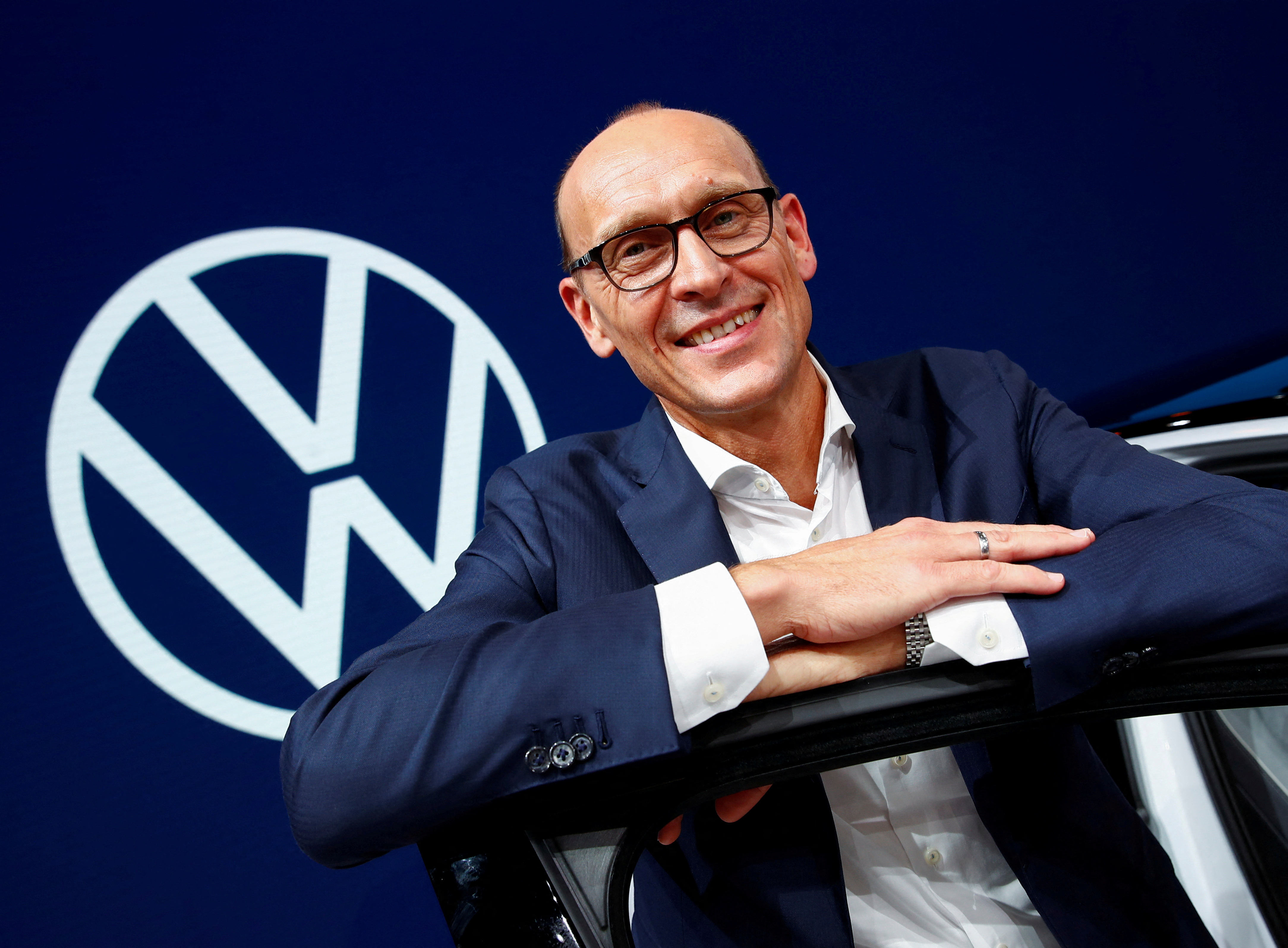
Volkswagen (VW) is considering shutting three German plants and laying off tens of thousands of employees as part of a cost-cutting overhaul. The automaker’s works council head, Daniela Cavallo, has accused VW management of undermining its German workforce, arguing the restructuring is not a tactic in collective bargaining but a definitive plan to reduce the company’s presence in its home country.

The drastic restructuring aims to address VW’s competitiveness issues, driven by factors like high energy and labor costs, increased competition from Asia, slowing demand in Europe and China, and a lagging transition to electric vehicles (EVs). VW is set to make formal proposals on Wednesday amid growing tensions with labor unions, who are preparing for strikes if plant closures proceed. “If VW confirms its dystopian path on Wednesday, the board must expect the corresponding consequences,” warned IG Metall union negotiator Thorsten Groeger.

Escalating Union-Management Conflict

Cavallo’s statements on Monday have intensified the union-management rift, with VW unions rallying thousands of employees at the Wolfsburg headquarters, blowing horns and holding signs opposing any plant shutdowns. Despite VW’s management emphasizing the need for “comprehensive measures” to regain financial stability, the works council and unions argue that management’s decisions could decimate Germany’s automotive workforce.

VW board member Gunnar Kilian acknowledged the severity of the situation, highlighting that without substantial cost reductions, investments in VW’s future would be at risk. According to Thomas Schaefer, head of VW’s brand division, German plants are operating at 25-50% above competitive costs, even doubling costs in some cases. To address these challenges, VW is also looking at salary reductions and a wage freeze through 2026.

Government and Market Reaction

The potential plant closures have put additional pressure on Germany’s government, which is already grappling with economic contraction and mounting competition from international markets. With federal elections on the horizon, Chancellor Olaf Scholz’s administration is under pressure to support German industry and avert large-scale layoffs. A government spokesperson reiterated Scholz’s support for the workforce, emphasizing that poor management decisions should not result in job losses.

Industry experts indicate that a full market recovery is unlikely anytime soon. Moritz Kronenberger from Union Investment, which holds VW shares, highlighted the urgency of “significant cost-cutting measures” to stave off negative cash flows. Meanwhile, VW shares dipped over 1% after the announcement, extending a 44% decline over the past five years—compared to a 12% loss for Renault and a 22% gain for Stellantis.

Broad Industry Concerns and Potential Union Strikes

VW’s cost-cutting initiatives reflect a wider crisis in Germany’s automotive industry, which has historically been central to the country’s economy. German automakers like Mercedes-Benz and Porsche have similarly announced cost-cutting plans to offset profit declines due to weakening demand in China and escalating production costs. Additionally, impending EU tariffs on Chinese EVs further threaten German automakers’ export potential, fueling fears of a trade conflict with China.

Union representatives are planning further actions to resist any plant closures, with strikes now likely in December. For many, the planned closures threaten not only jobs within VW but also those in the wider ecosystem of suppliers and service providers. As VW management and labor representatives prepare to meet on Wednesday, the outcome will be critical, potentially signaling a shift in Germany’s industrial landscape amid global economic pressures.
Exit Polls Show Reprieve for Scholz as SPD Fends Off Far Right in Brandenburg Election

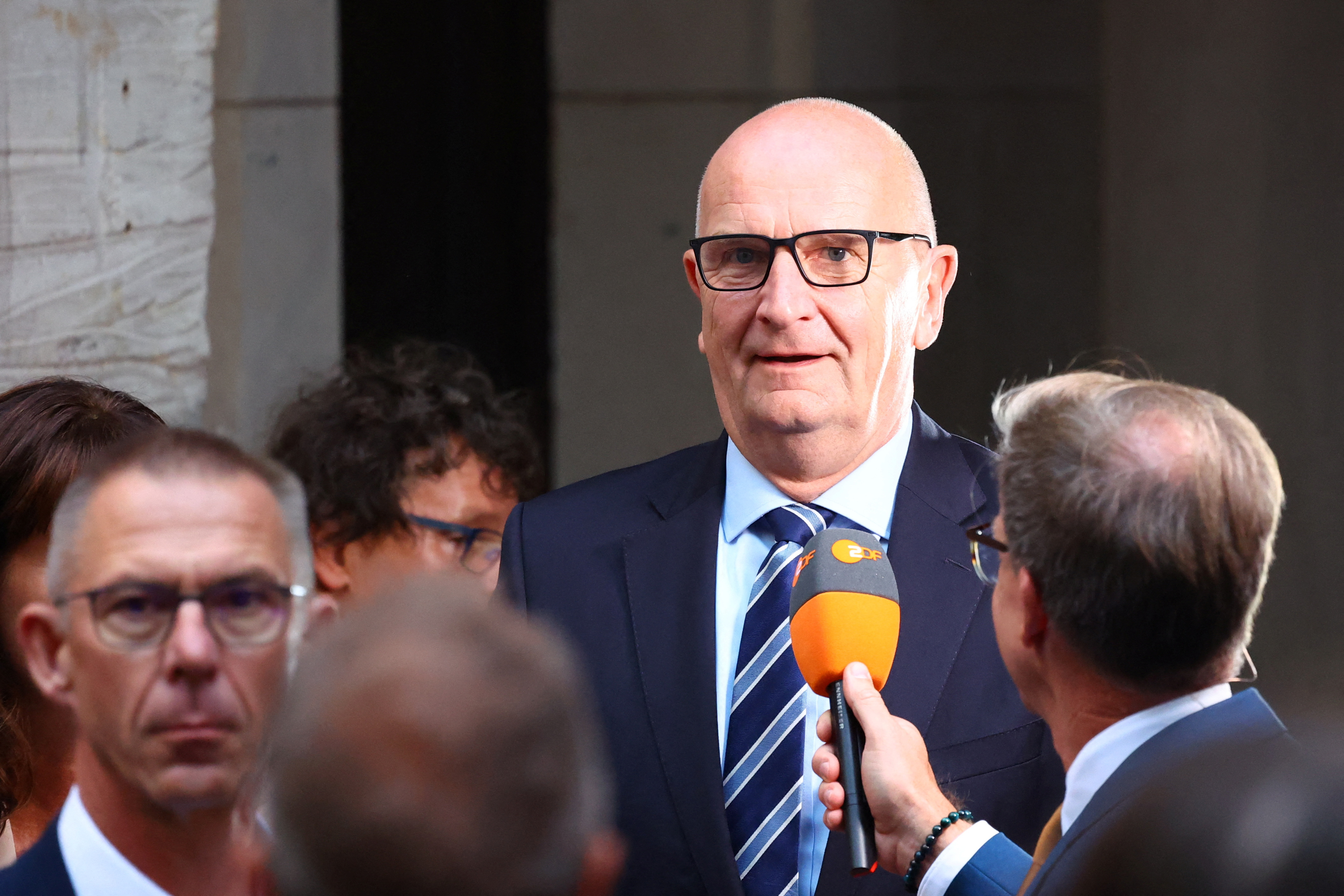
German Chancellor Olaf Scholz’s Social Democrats (SPD) appear to have narrowly held off the far-right Alternative for Germany (AfD) in the Brandenburg state election, according to exit polls. Despite trailing for much of the campaign, the SPD garnered 31.8% of the vote, while the AfD followed closely with 29.2%, according to ZDF broadcaster exit polls. This success may provide temporary relief for Scholz amid ongoing discussions within the SPD about his potential candidacy for the federal election in September 2025.

However, the victory is unlikely to significantly boost Scholz’s standing as Dietmar Woidke, Brandenburg’s SPD premier, distanced himself from the Chancellor and criticized federal policies during the campaign. SPD General Secretary Kevin Kuehnert acknowledged the party’s challenges but noted that the SPD had staged a “furious comeback” in the final weeks of the election.

According to an ARD exit poll, three-quarters of SPD voters cast their ballots to prevent the AfD from gaining control, with turnout reaching 73%, up from 61% in the previous election. On a national level, the SPD is polling at just 15%, significantly behind the opposition conservatives at 32% and the AfD at around 20%.

The election also highlighted growing dissatisfaction with Scholz’s coalition government, which has faced criticism for its internal conflicts and handling of immigration. Voters in eastern Germany have been particularly critical of the government’s support for Ukraine amid Russia’s invasion.

The election follows the AfD’s recent historic win in Thuringia, where it became the first far-right party to top a state election since World War II. In Brandenburg, the AfD gained 5.7 percentage points compared to the last election in 2019, signaling continued momentum. AfD co-leader Tino Chrupalla noted strong support from young voters, echoing trends seen in far-right parties across Europe.

Meanwhile, the newly formed leftist Alliance Sahra Wagenknecht came in third with 12%, followed by the conservatives at 11.6%. This result underscores the ongoing shifts in Germany’s political landscape, making future predictions difficult. The Greens, a junior partner in Scholz’s federal coalition, fell just short of the 5% threshold needed to enter the state parliament, while the Free Democrats (FDP) failed to make a significant impact.


Germany Tightens Borders Amid Rising Far-Right Pressure, Marking the End of ‘Welcome Culture’

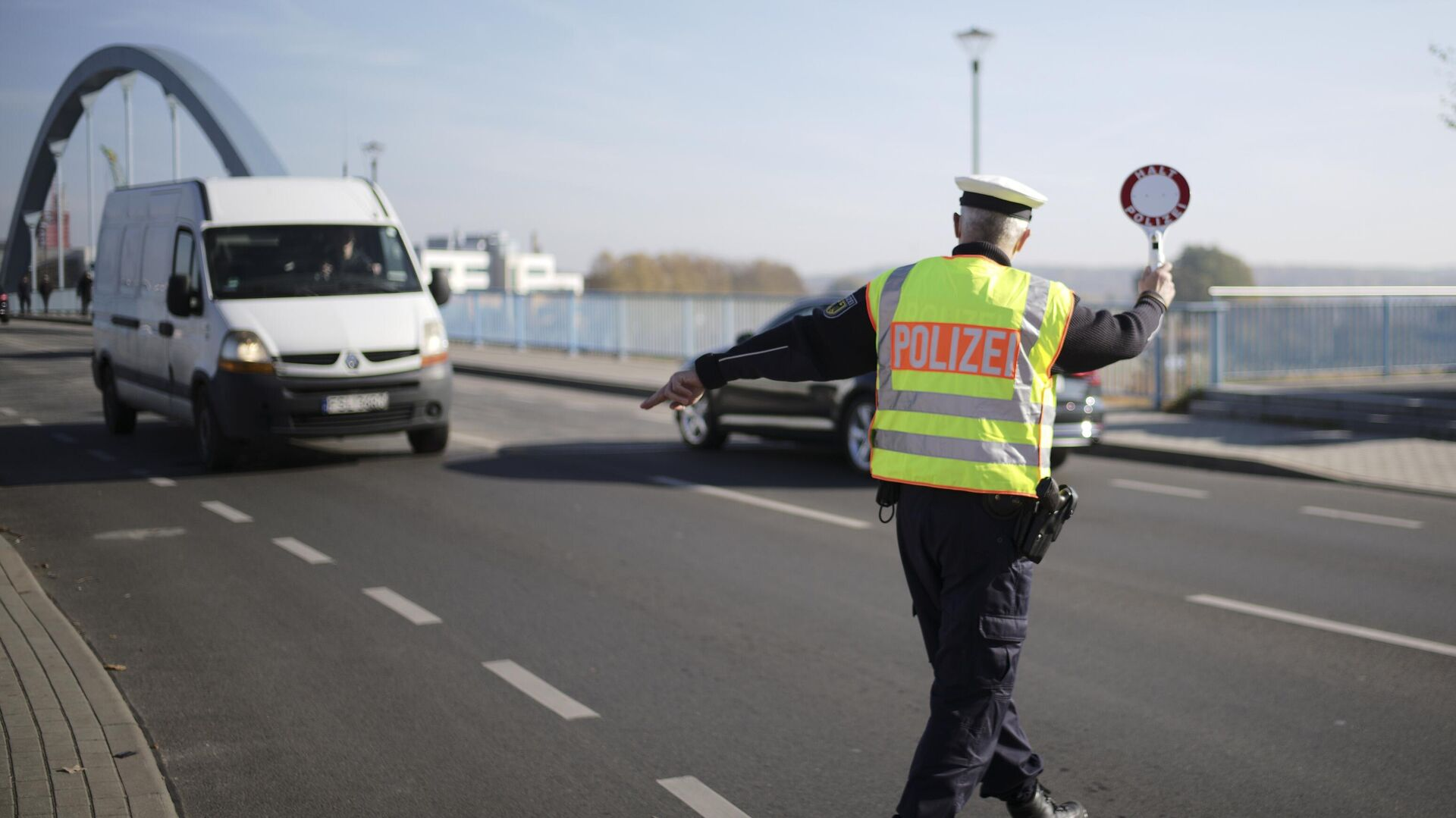
Germany has reintroduced border controls with several European countries, signaling a dramatic shift from its once liberal migration policies known as Wilkommenskultur. Chancellor Olaf Scholz’s government announced the reinstatement of controls at borders with Belgium, Holland, Luxembourg, France, Denmark, and others. These actions come as the far-right Alternative for Germany (AfD) party gains influence, pushing migration issues to the forefront of national debates.

Once a symbol of open borders, Germany is now responding to growing domestic pressure. The AfD, which has campaigned strongly on anti-immigration platforms, capitalized on recent terror attacks involving migrants and has seen electoral success in former East German states like Thuringia and Saxony. Their rise, along with public discontent over migration, has forced Scholz to tighten border policies, despite the potential backlash from EU neighbors.

AfD co-leader Alice Weidel has criticized Germany’s past approach, claiming the country had “become a place where anyone can enter unchecked.” As the AfD grows in prominence, Scholz’s government faces challenges in maintaining support, especially as polls in Brandenburg suggest further losses for the ruling Social Democratic Party.

Germany’s new stance represents a significant departure from the policies of former Chancellor Angela Merkel, who opened the country’s doors to millions of refugees in 2015. The shift also poses a challenge to the broader Schengen zone, as growing concerns over migration lead to stricter border control measures across Europe.