Yazılar

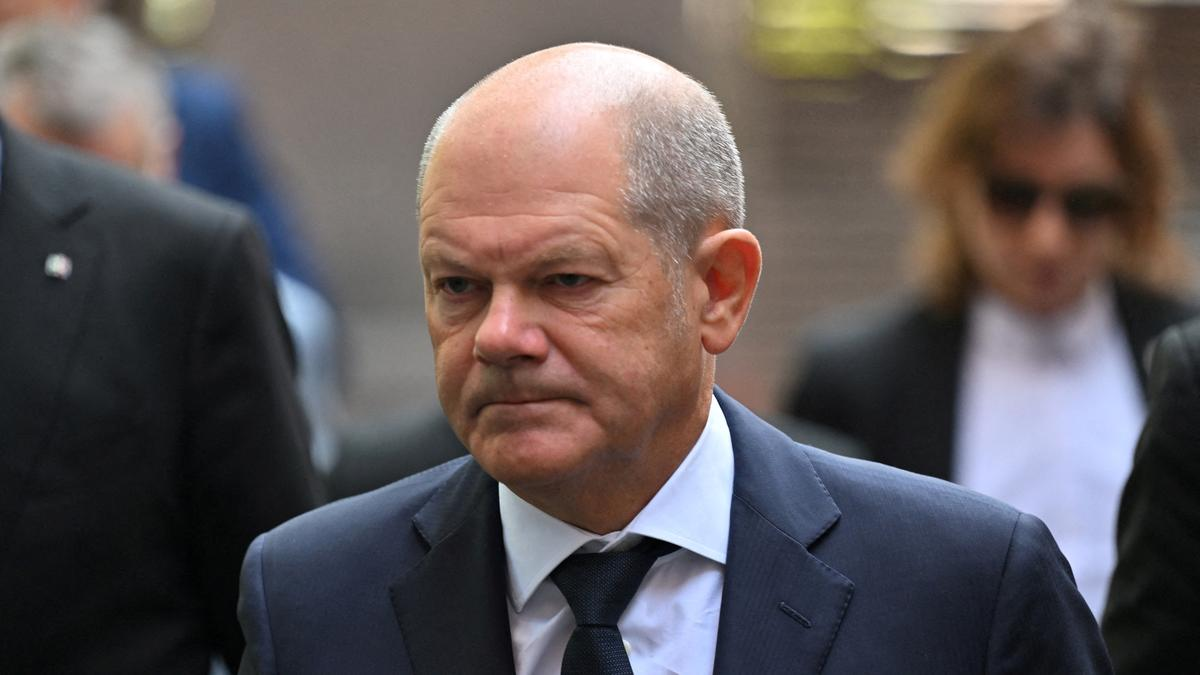
Scholz Expresses Concern Over Far-Right Gains in German Regional Elections, Mainstream Parties Urged to Unite

German Chancellor Olaf Scholz has expressed deep concern following significant gains made by the far-right Alternative for Germany (AfD) in recent regional elections. The AfD, known for its nationalist, anti-immigration, and Russia-friendly stance, achieved a historic victory in Thuringia, becoming the first far-right party since World War II to win a state legislature election in Germany. Additionally, the party came in a close second behind the conservatives in Saxony, reflecting a notable shift in the political landscape.

Scholz called the results “bitter” for his ruling coalition, which suffered losses in both states. He urged mainstream political parties to unite in forming governments without collaborating with “right-wing extremists,” underscoring the threat posed by the AfD to Germany’s democracy, economy, and international reputation. Despite its electoral success, the AfD is unlikely to govern due to the continued refusal of other parties to partner with it. However, the far-right party’s increased presence in state parliaments could enable it to block key decisions, such as judicial appointments, granting it an unprecedented level of influence.

These regional election results have fueled concerns within Scholz’s coalition, which comprises his Social Democrats (SPD), the Greens, and the pro-business Free Democrats (FDP). All three governing parties lost ground in the elections, with only the SPD clearing the 5% threshold to remain in the state parliaments. The results also marked the entry of a populist left-wing party, the Sahra Wagenknecht Alliance (BSW), which performed better than the coalition partners, securing third place in its first state elections.

With a national election looming in Germany next year, these developments may lead to increased political infighting and put pressure on the government to adopt tougher stances on issues like immigration and support for Ukraine, topics that dominated the recent campaign. Scholz acknowledged the challenges ahead, calling on the political establishment to prevent the normalization of far-right extremism in German politics.

UK’s Starmer and Germany’s Scholz Aim to Strengthen Ties in Post-Brexit Reset

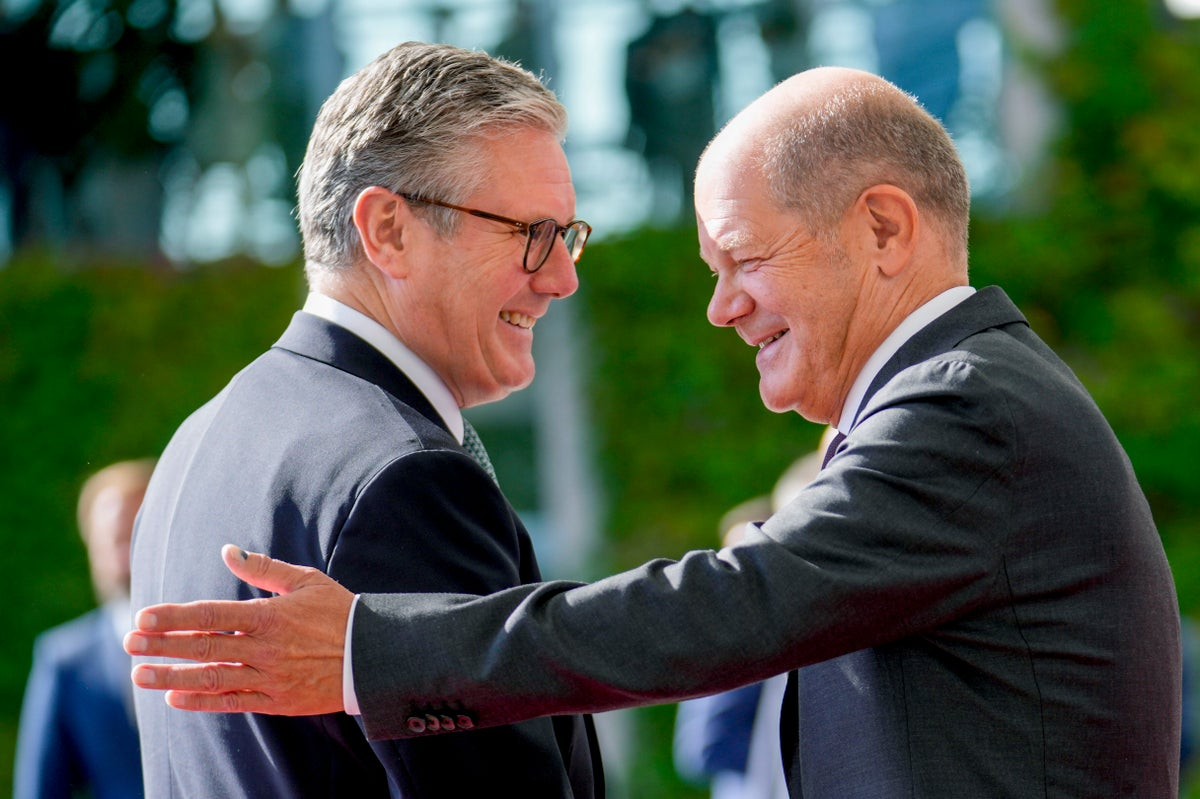
UK Prime Minister Keir Starmer and German Chancellor Olaf Scholz met in Berlin on Wednesday to discuss deepening bilateral relations as part of a broader post-Brexit reset. The leaders focused on key areas such as energy security, defense, climate change, and economic cooperation. Both countries emphasized the importance of a strong partnership for economic growth and addressed an action plan for illegal migration.

In a joint statement, the UK and Germany highlighted the need to elevate their bilateral relationship to a new level, reflecting their close partnership within Europe. Key priorities for the collaboration include industrial transformation, tackling illegal migration, enhancing people-to-people contacts, and advancing in education, infrastructure, technology, research, and innovation. A formal agreement is expected to be signed early next year.

Scholz described the UK and Germany as “special partners,” while Starmer emphasized the importance of building on their already strong relationship. Since taking office in July, Starmer has prioritized resetting the UK’s relationships with European countries. His visit to Berlin is part of a broader trip to Germany and France to engage with political and business leaders.

Starmer expressed a commitment to taking advantage of the “once in a generation opportunity” to redefine the UK’s relationship with Europe, addressing the challenges left by Brexit and previous government policies.