Yazılar

Court Denies Musk’s Bid to Dismiss OpenAI Harassment Claims

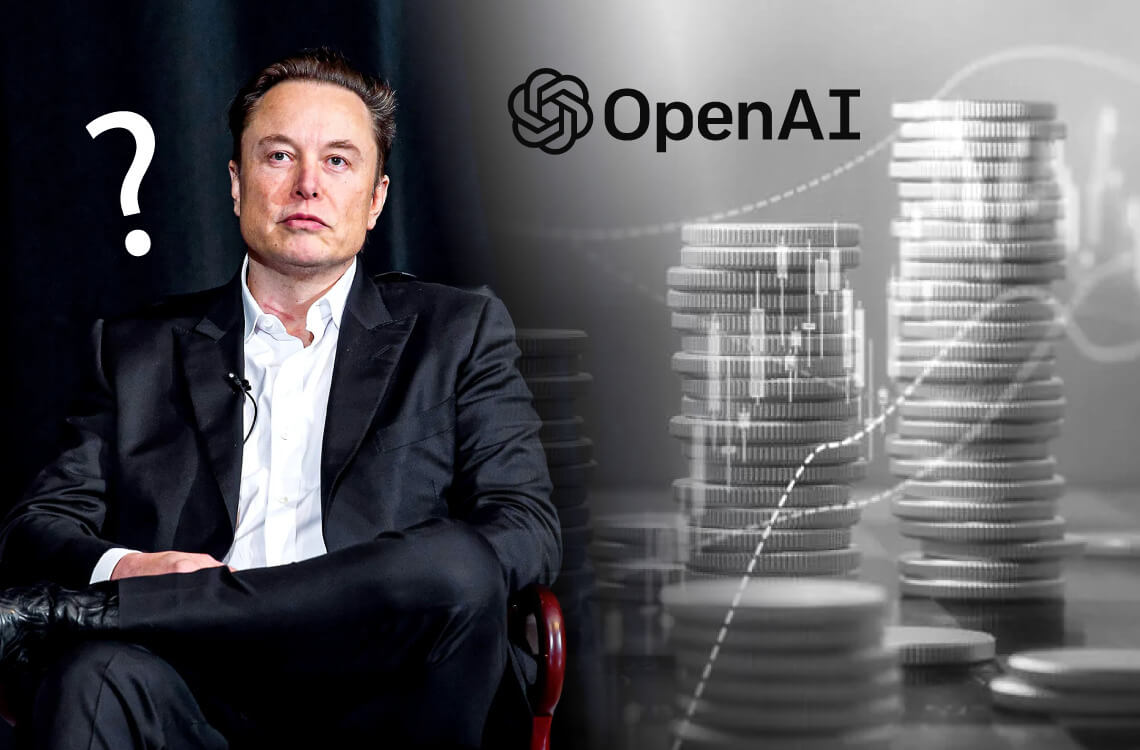
A federal judge has rejected Elon Musk’s attempt to dismiss OpenAI’s claims that he conducted a “years-long harassment campaign” against the AI startup he co-founded in 2015. U.S. District Judge Yvonne Gonzalez Rogers ruled that Musk must face allegations that he sought to harm OpenAI through press statements, social media posts, legal claims, and a “sham bid” for the company’s assets.

Musk originally sued OpenAI and CEO Sam Altman over the company’s shift to a for-profit model, claiming it strayed from its mission of developing AI for humanity’s benefit. OpenAI countersued in April, alleging fraudulent business practices under California law. The judge found the countersuit legally sufficient to proceed. A jury trial is scheduled for spring 2026.

xAI Co-Founder Igor Babuschkin Leaves to Launch AI Safety Investment Firm

Igor Babuschkin, co-founder of Elon Musk’s AI startup xAI, announced his departure on Wednesday to launch Babuschkin Ventures, an investment firm focused on AI safety research. Babuschkin, who previously worked at Google’s DeepMind and OpenAI, played a key role at xAI in developing foundational tools for model training and overseeing engineering across infrastructure, product, and applied AI projects.

xAI, launched by Musk in 2023 to challenge Big Tech’s AI efforts, has faced recent executive departures, including legal head Robert Keele and X CEO Linda Yaccarino. Babuschkin’s exit comes amid intense competition in the AI sector, with companies like OpenAI, Google, and Anthropic heavily investing in advanced system development.

CoreWeave Shares Fall Despite Strong AI Demand as Losses Mount

Shares of CoreWeave, the Nvidia-backed AI infrastructure firm, dropped 11% after the company reported a larger-than-expected loss for Q2. Operating expenses surged nearly fourfold to $1.19 billion, highlighting tension between rapid revenue growth and rising financial strain.

Analysts expressed concern over CoreWeave’s heavy reliance on key customers, such as OpenAI, and questioned its ability to grow profitably given widening losses, high capital needs, and deteriorating debt coverage. The company, which went public in March, had about $8 billion in debt last year and planned to use roughly $1 billion of IPO proceeds for debt repayment.

With the IPO lock-up period expiring soon, analysts expect volatility as insiders can sell shares for the first time. CoreWeave operates 33 AI data centers in the U.S. and Europe, providing access to Nvidia GPUs. Despite losses, surging demand helped the firm beat quarterly revenue estimates, and its stock has nearly tripled since its IPO.