Yazılar

OpenAI Set to Test ChatGPT Integrations for Slack and Google Drive

OpenAI is reportedly preparing to launch a new feature for ChatGPT that will allow the AI to connect with external platforms like Google Drive and Slack. This feature, known as ChatGPT Connectors, will be available exclusively to Teams subscribers and is designed to improve enterprise users’ access to information stored within these platforms. By syncing with internal data from services like Google Drive for Workspace and Slack, ChatGPT will be able to answer queries based on the specific knowledge base of the connected platforms, making it a powerful tool for business users.

ChatGPT Connectors: A New Tool for Enterprises

According to a report from TechCrunch, OpenAI is set to begin beta testing for the ChatGPT Connectors feature. This feature will enable users to connect ChatGPT with third-party databases and communication tools, streamlining information retrieval across platforms. It’s expected that, during its initial phase, ChatGPT Connectors will focus on integrations with Google Drive and Slack, allowing the AI model to extract relevant data from files, presentations, spreadsheets, and conversations within these platforms. Later on, OpenAI may expand the feature to work with other platforms like Microsoft SharePoint and Box.

GPT-4o and Privacy Concerns

The new feature will be powered by a version of OpenAI’s GPT-4o AI model, which will be tailored to the specific internal knowledge of each connected platform. By integrating with platforms like Google Drive and Slack, the model will be able to search for and provide answers based on encrypted copies of files and conversations stored on OpenAI’s servers. This raises questions about privacy, particularly concerning how long the data will be stored and who will have access to it. While the data is encrypted, it remains unclear how OpenAI will manage these files and whether any third parties could potentially access them.

Enhancing User Experience with Contextual Responses

In addition to retrieving information from internal platforms, ChatGPT Connectors will also include a feature that displays sources for related information not directly used in the response. This feature will appear as a button at the bottom of each response, giving users further insight into the data used to generate answers. Furthermore, the AI will be able to access external information from the internet and its training data, ensuring that it can provide comprehensive and up-to-date answers.

As the beta testing phase for ChatGPT Connectors begins, it will be interesting to see how the feature performs in real-world business environments. If successful, this integration could transform how enterprises leverage AI tools to access and utilize data, streamlining workflows and improving productivity. However, OpenAI will need to address privacy concerns to ensure that businesses can trust the system with sensitive internal information.
OpenAI and Elon Musk Agree to Expedite Trial Regarding For-Profit Transition

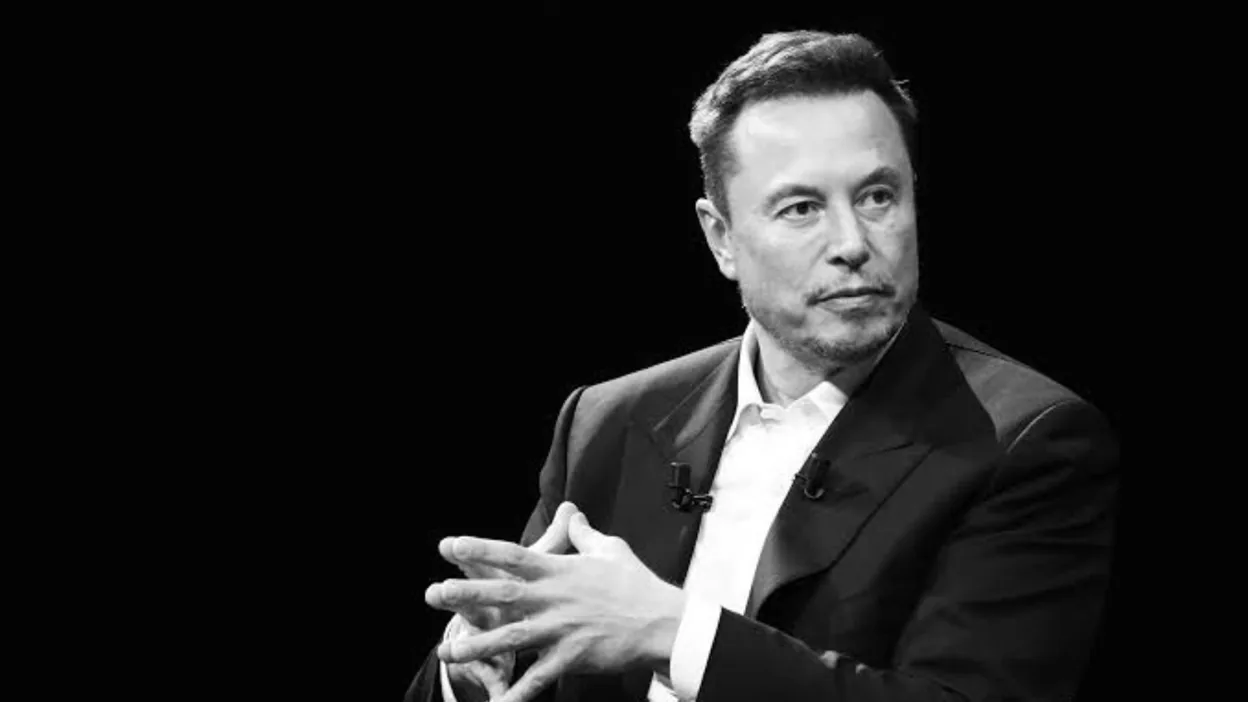
OpenAI and Elon Musk have agreed to accelerate the legal proceedings regarding OpenAI’s transition to a for-profit entity, marking the latest chapter in the public legal battle between Musk and OpenAI’s CEO, Sam Altman. The dispute, which has drawn significant attention, stems from Musk’s concerns over OpenAI’s shift from its original nonprofit model. The two parties, seeking a swift resolution, proposed fast-tracking the trial in a December filing, as revealed in a recent court document.

The trial’s progress took a key step this week when both OpenAI and Musk agreed to delay a decision about whether the case would be decided by a jury or a judge. This agreement comes after a judge ruled earlier this month, denying Musk’s attempt to pause OpenAI’s for-profit transition. However, the judge did agree to expedite the trial, which is now set to take place in the autumn of this year, intensifying the ongoing legal confrontation.

In response to the decision, OpenAI issued a statement welcoming the court’s March 4 ruling, which rejected Musk’s request to delay the transition. The company emphasized that it viewed the decision as a significant win, countering Musk’s efforts to slow down the shift for what they perceived as his personal gain. The statement further reflected OpenAI’s stance that it is committed to continuing its transition toward a more sustainable, for-profit model while pursuing its mission.

Elon Musk’s relationship with OpenAI has been complex since its founding. Musk co-founded the company in 2015 alongside Sam Altman, but he departed from the organization before it became the leading AI research group it is today. Subsequently, Musk launched his own AI startup, xAI, in 2023, which competes directly with OpenAI. This shift in allegiance, along with Musk’s concerns over the for-profit model, has fueled the legal dispute, as both sides prepare for what promises to be a high-stakes trial.

Microsoft Scales Back on Data Center Leases Amid AI Spending Concerns

Microsoft has pulled back from leasing new data center capacity in the U.S. and Europe, abandoning projects that would have used 2 gigawatts of electricity over the past six months. According to analysts at TD Cowen, the tech giant’s decision is driven by an oversupply of data center capacity relative to its current demand forecast, particularly in light of its shifting approach to supporting OpenAI’s ChatGPT workloads.

Shifting Focus and Market Impact

Investor skepticism has risen regarding the large-scale artificial intelligence (AI) investments made by U.S. tech giants, partly due to slower-than-expected returns and competition from Chinese startup DeepSeek, which offers AI solutions at significantly lower costs. As part of its pullback, Microsoft has decided not to support additional AI workloads, particularly those associated with OpenAI’s ChatGPT, a move that has been closely watched by industry analysts.

Microsoft’s withdrawal from certain data center projects has led to competitors stepping in to fill the void. Alphabet’s Google and Meta Platforms have moved to backfill the data center capacity, with Google focusing on international markets and Meta stepping in for U.S. projects. Despite these shifts, Microsoft remains committed to growing its infrastructure, with plans to invest $80 billion in AI infrastructure during this fiscal year, in line with its ongoing AI strategy.

Continuing Investment and Future Outlook

While Microsoft’s share price saw a slight decline of over 1% on Wednesday, the company reassured investors that its infrastructure growth plans will remain strong across all regions. The company has already scrapped leases with at least two private data center operators, a decision that aligns with its strategic pacing and adjustments to its AI needs.

Executives from both Microsoft and Meta defended their massive AI investments after the reveal of DeepSeek’s cost-effective technology in January, emphasizing that these investments are crucial to remaining competitive in the rapidly evolving AI space. Alphabet has also committed to increasing its AI spending this year, planning $75 billion, a 29% increase over Wall Street’s expectations.

Conclusion

Microsoft’s decision to scale back on data center leases highlights the evolving landscape of AI infrastructure spending, as companies adjust their strategies in response to market competition and changing demand. Despite this pullback, Microsoft’s commitment to AI remains strong, with a continued focus on investing heavily in the technology’s future.