Yazılar

Sam Altman Joins San Francisco’s Transition Team

OpenAI’s Sam Altman Takes on Role in San Francisco’s Government

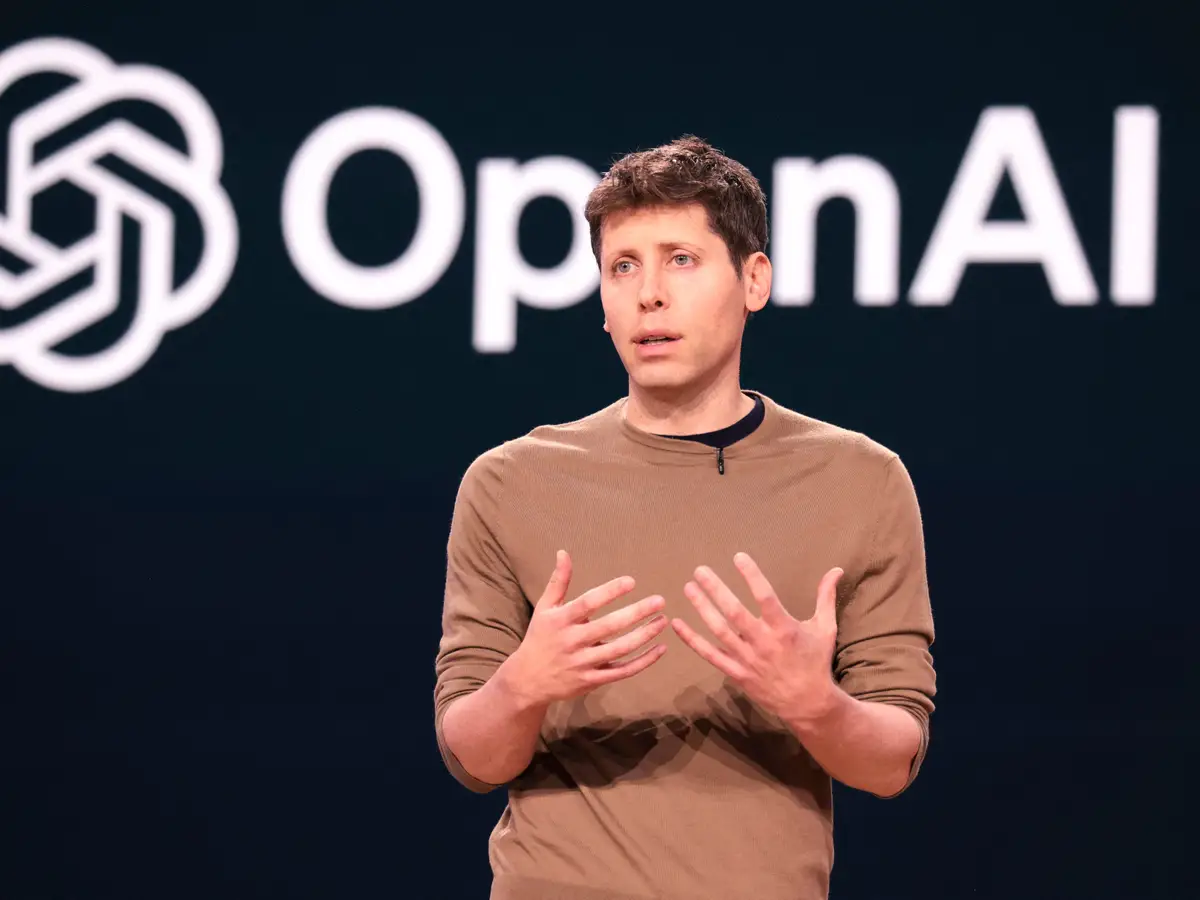
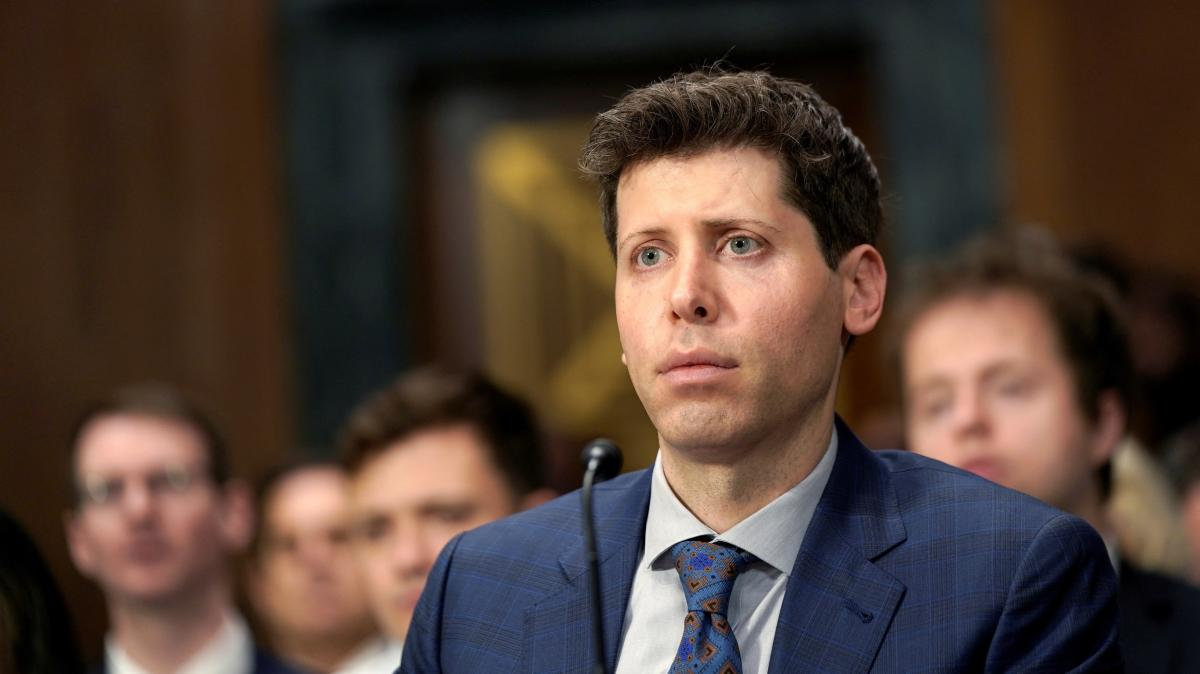
Sam Altman, the CEO of OpenAI, has been appointed as one of seven co-chairs of Mayor-elect Daniel Lurie’s transition team in San Francisco. This appointment marks a growing trend of tech executives stepping into government roles in the city. Altman, whose company is known for developing ChatGPT, joins a group of former Silicon Valley leaders taking up positions in local government following this month’s election.

The increasing influx of tech industry influence into San Francisco has sparked some tensions, as the city, historically associated with counterculture, sees its tech industry expand beyond Silicon Valley into the urban core. San Francisco, facing challenges such as a sluggish post-pandemic economic recovery, homelessness, and drug-related issues, is also shifting politically towards centrist Democratic policies. This transformation is partly fueled by both tech executives and the city’s citizens frustrated with the status quo.


Lurie’s Incoming Administration and Tech Influence

Daniel Lurie, a philanthropist and heir to Levi Strauss fortune, will replace London Breed, the city’s first Black female mayor. Lurie, who takes office on January 8, faces the significant challenge of addressing San Francisco’s public safety crisis, which has prompted many tech leaders to leave the Bay Area. In addition to Altman, Lurie’s campaign was supported by tech figures such as Jan Koum, co-founder of WhatsApp.

Altman’s involvement underscores a broader trend where tech leaders aim to apply their industry expertise to solve urban issues. “I’m excited to help the city I love, and where OpenAI was started,” Altman said in a statement. His participation in the transition team reflects a shift towards a more pragmatic, metrics-driven approach to governance that focuses on quality-of-life issues rather than ideological debates.


Tech’s Role in San Francisco’s Future

Bilal Mahmood and Danny Sauter, both former software entrepreneurs, were also elected to San Francisco’s Board of Supervisors, signaling a wave of tech-driven political change. Mahmood, who has expressed support for more metrics-driven governance, believes the city’s current challenges stem from inefficiencies in its technical infrastructure. He advocates for addressing issues like housing delays and hiring backlogs, areas where tech leaders are well-positioned to make an impact.

These developments suggest a new direction for San Francisco, as its leadership taps into the technical expertise of the Silicon Valley elite to tackle persistent urban issues.

OpenAI Co-Founder Greg Brockman Returns to Company After Leave

Greg Brockman, co-founder of OpenAI, has resumed his role at the artificial intelligence company following a three-month leave. Brockman announced his return on X (formerly Twitter) on Tuesday, stating, “longest vacation of my life complete. back to building @OpenAI.” His reentry comes amid a period of significant transitions within the Microsoft-backed AI company.

OpenAI confirmed Brockman’s return and noted that he and CEO Sam Altman are working together to define a new role tailored to address the company’s major technical challenges, according to Bloomberg News. Brockman’s return follows a series of recent leadership changes at OpenAI, including the exits of former Chief Technology Officer Mira Murati, co-founder John Schulman, and co-founder Ilya Sutskever. Murati and Sutskever have since started their own AI ventures.

In a related leadership shift, Altman also returned to OpenAI’s helm in November 2023 after a brief, controversial exit. Altman’s ouster, which was abruptly initiated by the company’s board without much explanation, sparked a tumultuous period for OpenAI, ultimately leading to his reinstatement.


OpenAI Introduces Chat History Search Feature on ChatGPT Web Platform

OpenAI has unveiled a new feature for its popular AI chatbot, ChatGPT, designed to make navigating past conversations easier. On Tuesday, the company announced that users will now be able to search through their chat history, allowing them to quickly locate relevant information from previous interactions. This new feature aims to address the current inconvenience where users must manually scroll through their chat logs to find specific conversations, saving time and enhancing the overall user experience. Initially, the feature is available only on ChatGPT’s web portal and is being rolled out to paid subscribers of the platform.

The addition of a search function for past chats has been one of the most requested updates from ChatGPT users. Previously, finding a specific piece of information from past interactions could be frustrating and time-consuming, especially as users accumulated more conversations. With the search capability, users now have an efficient way to locate important details without the hassle of endless scrolling.

To use the new feature, users will notice a magnifying glass icon on the side panel of the ChatGPT web interface. This icon is located on the left side of the screen, and by clicking it, users are presented with a text field where they can type keywords to find specific conversations. For those who prefer not to type, the interface also displays recent chats, making it easy to quickly jump to a previous discussion.

This feature marks a significant step forward for OpenAI’s chatbot platform, improving usability and accessibility for users who need to reference past chats. As the tool continues to evolve, features like chat history search are likely to become standard, offering a more seamless and productive experience for those who rely on ChatGPT for both casual and professional purposes.